How to Prune Lady banks's rose?
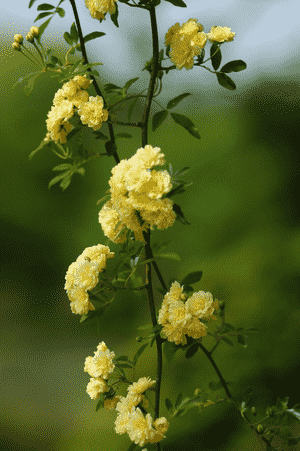
This evergreen, thorn-free climbing plant is celebrated for its robust development and abundant, aromatic spring flowers. The ideal time for trimming lady banks's rose is in late winter or early spring, following its blooming period, to sculpt the plant and control its dimensions. Remove aged stems and lifeless wood to improve air movement and encourage fresh growth. Strategic pruning boosts the floral show and overall plant well-being, lessening the chance of illness. Precise cuts avert harm, guaranteeing a sturdy structure for the plant's profusion of flowers.
What Are the Benefits of Pruning Lady Banks's Rose?
What Are the Benefits of Pruning Lady Banks's Rose?
Trimming lady banks's rose promotes abundant flowering, stimulates vigorous development, and maintains its size for visual appeal. It's crucial for eliminating dead material, shaping, and ensuring optimal plant vitality.
What Is the Best Time for Pruning Lady Banks's Rose?
What Is the Best Time for Pruning Lady Banks's Rose?
These periods are considered ideal for trimming lady banks's rose for several reasons. Firstly, pruning in late winter encourages strong growth as the plant enters its active development phase in spring. It helps the plant direct its energy towards producing new shoots that will bloom the following season. Secondly, pruning after the risk of the harshest frost has passed minimizes the chance of cold damage to the freshly cut areas. Trimming in early spring also allows gardeners to shape the plant and manage its size before it begins its rapid growth, which can be particularly robust in lady banks's rose. Furthermore, as lady banks's rose blooms on the previous year's growth, pruning at this time ensures that flowering is not negatively affected, as it might be with later pruning that could remove developing buds. This timing aligns the pruning activity with the plant's natural growth cycle, promoting its health and guaranteeing a plentiful display of flowers.
What Tools Do I Need to Prune Lady Banks's Rose?
Bypass Pruners
Perfect for making clean cuts on young, green stems. The scissor-like action of bypass pruners minimizes harm to the plant's tissue, encouraging faster healing.
Loppers
Equipped with long handles, loppers provide the leverage needed to cut through thicker branches that bypass pruners cannot manage. They're essential for reaching into the dense growth of lady banks's rose to remove older, woody stems.
Pruning Saw
For the thickest branches, a pruning saw is necessary. Its serrated blade can cut through wood that is too large for loppers, ensuring that even the most substantial parts of lady banks's rose can be managed.
Gloves
While not a cutting tool, durable gloves protect the gardener's hands from thorns and rough bark, making the pruning process safer and more comfortable.
Secateurs
For fine-tuning and shaping lady banks's rose, secateurs offer precision and control. They're perfect for snipping away unwanted suckers and shaping the plant for aesthetic appeal.
How to Prune Lady Banks's Rose
Step1: Remove Dead Wood
Wear gloves and use clean, sharp tools. Begin by removing any lady banks's rose dead wood from the plant. Make the cuts at a 45-degree angle just above a healthy bud, ensuring that the bud is facing the outside of the plant to encourage an open growth habit.
Step2: Trim Damaged Branches
Examine lady banks's rose for damaged branches that may have been caused by weather, pests, or disease. Cut these branches back to a point where the wood is healthy and green. If the entire branch is damaged, remove it entirely at the base or at its point of origin.
Step3: Cut Back Overgrown Shoots
Identify overgrown shoots of lady banks's rose that may be interrupting the plantâs desired shape or impeding the growth of other plants. Trim these shoots back to a lateral branch or bud, or to the desired length, making sure not to remove more than one-third of the shootâs length at once to avoid stress.
Step4: Shape Plant Structure
Assess the overall shape of lady banks's rose. Where necessary, shape the plant by selectively pruning branches and shoots to encourage a balanced structure. Make cuts just above outward-facing buds to direct growth and maintain or improve the plant's natural form.
Step5: Dispose of Pruning Debris
After pruning, clear away all the cuttings from around lady banks's rose. This is important to prevent the spread of diseases and pests that can thrive on decaying plant material.
Step6: Water Plant Post-Pruning
Water lady banks's rose thoroughly after pruning to help the plant recover and sustain healthy growth. However, avoid over-watering as it can cause root problems.
Step7: Fertilize After Pruning
Provide lady banks's rose with a balanced slow-release fertilizer after pruning to support new growth and flowering, following the manufacturer's instructions for application rates and timings.
Post-Pruning Care for Lady Banks's Rose
Post-Pruning Care for Lady Banks's Rose
Immediately after trimming lady banks's rose, water deeply to aid recovery. Ensure lady banks's rose receives dappled sunlight; excessive exposure can stress it post-pruning. Maintain ambient humidity and stable temperatures; avoid drastic fluctuations. Apply a balanced, slow-release fertilizer to replenish nutrients and encourage growth. Regularly inspect lady banks's rose for wilting or discolored foliage, indicating stress or disease. At signs of infection, such as unusual spots or decay, consult a horticulturist for appropriate treatment.
Common Pruning Mistakes with Lady Banks's Rose
Over-pruning Reduces Blooming
Trimming lady banks's rose too severely, which can stress the plant and potentially reduce its blooming.
Compromised Cuts from Dull Tools
Using dull or dirty pruning tools, leading to ragged cuts and increasing the risk of disease.
Incorrect Pruning Eliminates Flower Buds
Cutting into older wood without understanding that lady banks's rose blooms on old wood, potentially removing flower buds.
Ignoring Dead or Diseased Wood
Neglecting to remove dead or diseased wood, which can harm lady banks's rose's overall health and vigor.
Improper Pruning For Natural Growth
Treating lady banks's rose like a strictly formal rose, and not considering its natural cascading growth habit during pruning.
Common Pruning Tips for Lady Banks's Rose
Sharp, Clean Tools for Healthy Cuts
Maintain sharp, clean tools to ensure clean cuts that heal quickly and reduce the chance of disease.
Selective Pruning for Shape and Health
Focus pruning efforts on shaping lady banks's rose, removing only dead, damaged, or diseased wood, and thinning to improve air circulation.
Preserve Old Canes for Blooms
Retain several older canes to promote ongoing vitality and bloom, since lady banks's rose flowers on previous years' growth.
Seasonal Trimming Maintains Shape
After the main pruning, conduct light trimming as needed throughout the year to maintain the desired shape and remove any unwanted lateral growth.
Prune to Enhance Natural Form
Allow lady banks's rose to retain its natural form by pruning lightly and encouraging its rambling, cascading growth habit, which also shows off its floral display to advantage.



