How to Transplant Sierra currant?
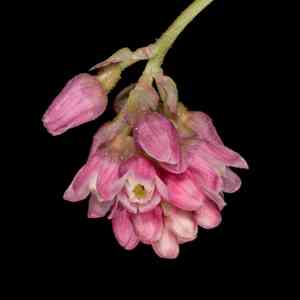
The optimal window for relocating sierra currant spans from the onset of early spring through the peak of late spring, facilitating superior root development. Select a location offering dappled to moderate sunlight and soil that drains effectively. Carefully manage the root system throughout the procedure to encourage successful adaptation.
What Preparations are Needed Before Transplanting Sierra Currant?
What is the Ideal Time for Transplanting Sierra Currant?
The optimal period to relocate sierra currant spans from the late winter thaw through the mild conditions of early to mid-spring. This timeframe provides an excellent balance for root development and establishment. Moving sierra currant during this window maximizes its recovery before summer's heat, allowing roots to expand in cool, damp soil, fostering robust growth. Helpful hint: this timing aligns with sierra currant's natural growth cycle, ensuring a flourishing, healthy plant!
How Much Space Should You Leave Between Sierra Currant Plants?
When relocating sierra currant, ensure they have ample room to thrive. Position them 4-6 feet (1.2-1.8 meters) apart. This spacing allows each plant sufficient area to grow and absorb nutrients without competing with adjacent plants.
What is the Best Soil Mix for Sierra Currant Transplanting?
Sierra currant thrives in well-draining soil rich in organic material. Before transplanting, incorporate compost or a balanced slow-release fertilizer to give your plants an excellent start. Ensure the soil pH is slightly acidic to neutral for optimal development.
Where Should You Relocate Your Sierra Currant?
Select a location for sierra currant that receives partial to full sunlight. An area with morning sun and afternoon shade would be perfect, especially in warmer climates. This ensures your sierra currant gets the necessary light without being stressed by intense midday sun.
What Equipments Should You Prepare Before Transplantation Sierra Currant?
Gardening Gloves
To safeguard your hands while handling soil and plants.
Shovel or Spade
To excavate around and lift the plant's root ball.
Garden Fork
To gently loosen the soil surrounding the root ball.
Pruning Shears
To trim any dead or excessively long roots and foliage.
Wheelbarrow or Tarp
To move the plant and soil without creating a mess.
Watering Can or Hose
To hydrate the plant before and after the relocation process.
How Do You Remove Sierra Currant from the Soil?
How Do You Remove Sierra Currant from the Soil?
From Ground: Hydrate the sierra currant plant to moisten the soil, making it easier to manage. Use a shovel or spade to dig a wide trench around the plant, taking care to keep the root ball intact. Gently lift the plant by sliding the spade beneath the root ball.From Pot: Water the sierra currant in its container prior to beginning. Turn the pot sideways and tap the sides to loosen the root ball, then carefully extract the plant. If the plant resists, you might need to cut the container away.From Seedling Tray: Dampen the soil in the tray to facilitate easy removal of seedlings without root damage. Use a fork or a dibber to carefully lift each seedling by its leaves, avoiding contact with the delicate roots.
Step-by-Step Guide for Transplanting Sierra Currant
Preparation
Gather all necessary tools and water the sierra currant before beginning the transplant to minimize plant stress.
Root Ball Care
Using a shovel, garden fork, or your hands, carefully remove the sierra currant from its current spot, striving to keep as much soil around the roots as possible.
Transportation
Place the sierra currant's root ball on a tarp or in a wheelbarrow to move it to the new location with minimal disturbance to the roots.
Planting Hole
At the new site, dig a hole as deep as the root ball and twice its width, allowing ample room for roots to spread.
Placement
Position the sierra currant in the center of the hole, ensuring the top of the root ball is level with the surrounding ground.
Backfilling
Carefully refill the hole with soil, gently firming it down to eliminate air pockets without overly compacting the soil.
Watering
After planting, thoroughly water the sierra currant to settle the soil around the root ball and provide essential moisture for the roots.
How Do You Care For Sierra Currant After Transplanting?
Monitoring
Keep a close watch on the sierra currant for indications of stress, such as wilting or yellowing leaves, and be prepared to intervene if needed.
Watering
The initial weeks following transplanting are crucial, so provide the sierra currant with consistent water to maintain uniformly moist soil, allowing the plant to establish itself.
Mulching
Apply a layer of organic mulch around the base of the sierra currant to help retain soil moisture, regulate temperature, and reduce weed competition.
Pruning
Trim any damaged or diseased branches to encourage new growth and help maintain the sierra currant's form and vitality.
Support
If the sierra currant is tall or top-heavy, it might require staking or other supports to prevent it from leaning or being damaged by strong winds.
Troubleshooting Common Issues with Sierra Currant Transplantation.
What's the optimal timeframe for transplanting sierra currant?
The best time to move sierra currant is during cooler weather, typically from early to late spring.
How far apart should I space sierra currant when transplanting?
Allow sierra currant sufficient room to grow by spacing plants approximately 4-6 feet (1.2-1.8 meters) apart.
Why is my transplanted sierra currant wilting after transplantation?
Wilting may be due to transplant shock. Ensure adequate watering and avoid direct sun until it's established.
How deeply should I plant sierra currant in the new location?
Plant sierra currant at its previous depth, ensuring the root crown is level with the soil surface.
Should I prune sierra currant before transplanting?
Minor pruning can help reduce stress on sierra currant. Only remove dead or damaged branches.
How much and how often should I water sierra currant post-transplant?
Water generously immediately after transplanting, then keep the soil moist for the first few weeks as it settles.
What type of soil is best for transplanting sierra currant?
Well-draining, fertile soil with organic matter is ideal for sierra currant's healthy growth.
How do I prepare the new site for transplanting sierra currant?
Dig a hole twice the width of the root ball and amend the soil with compost if necessary.
When should I fertilize sierra currant after transplanting?
Wait until sierra currant shows signs of new growth before applying a balanced fertilizer.
What are the signs my sierra currant isn't adapting to its new location?
Stunted growth, discolored leaves, and root rot can indicate poor adaptation. Evaluate sunlight, moisture, and soil conditions.



