How to Prune Sierra currant?
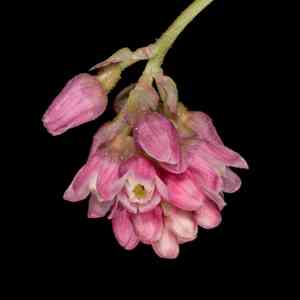
This enduring woody plant, featuring reddish-pink blossoms and dark fruit, flourishes in elevated terrains. For sierra currant, trimming ought to refine its inherent form and stimulate berry yield. Eliminate lifeless or compromised branches and thin congested sections to ensure adequate air movement. The ideal period for pruning is from late spring to early summer, following the blooming phase, to prevent severing nascent fruits. Strategic pruning can invigorate the plant and extend its existence while preserving its visual charm.
Advantages of Trimming Sierra Currant
Advantages of Trimming Sierra Currant
Trimming sierra currant promotes abundant flowering and helps prevent pest infestations and diseases, thereby ensuring vigorous and visually appealing development.
Optimal Time for Trimming Sierra Currant
Optimal Time for Trimming Sierra Currant
The period from late spring to early summer is ideal for trimming sierra currant, coinciding with its post-flowering stage. During this time, sierra currant has typically finished its blooming cycle, simplifying the identification and removal of spent flowers, which encourages further growth and contributes to the plant's overall vitality. Trimming in late spring ensures that winter-damaged or diseased wood can be cut away before the plant invests significant energy into new growth. In early summer, light trimming is recommended to shape the plant and foster the development of strong, healthy branches that will support the next season's growth and fruit production. It is also a good time to thin out overcrowded branches, which enhances air circulation and sunlight exposure, reducing the risk of pests and diseases. Delaying trimming until after summer might jeopardize the formation of buds for the following year's bloom and fruit set.
Tools Required for Trimming Sierra Currant
Hand Pruners
Perfect for cutting stems and branches of sierra currant that are less than 3/4 inch in diameter. Clean cuts help prevent disease and encourage healthy regrowth.
Loppers
Effective for reaching into the sierra currant to trim thicker branches, typically up to 1 1/2 inches in diameter. The long handles provide leverage for making clean, precise cuts.
Pruning Saw
Essential for branches over 1 1/2 inches thick that hand pruners and loppers cannot manage. A pruning saw ensures that larger cuts are made cleanly without harming sierra currant.
Pruning Shears
Useful for shaping sierra currant and maintaining its desired look. The shorter blades offer enhanced control for trimming smaller growths and excess foliage.
Gloves
Protect hands from thorns and injuries while trimming sierra currant, especially when working within dense growth.
How to Trim Sierra Currant
Clean Tools
Sanitize pruning shears and other implements before starting to prevent the spread of disease to sierra currant.
Remove Diseased Materials
Carefully remove all diseased leaves and branches from sierra currant, ensuring cuts are made at the base of the affected area to promote healthy regrowth.
Clear Dead Materials
Trim off all withered leaves, dead branches, and faded flowers from sierra currant using clean, sharp cuts to maintain plant health and appearance.
Thinning
Thin out excessive growth branches to improve air circulation and light penetration within sierra currant's canopy, which can help reduce the likelihood of disease and pest issues.
Shape
Shape sierra currant by selectively trimming branches to maintain its natural form, encourage new growth, and enhance its fruit production, being mindful not to over-trim as this can stress the plant.
Common Trimming Mistakes with Sierra Currant
Over-Trimming
Cutting back too much of sierra currant's foliage or branches can stress the plant, leading to poor growth or reducing its ability to flower. It's crucial to limit trimming to dead or diseased wood and light shaping.
Neglecting Diseased Wood
Failing to remove dead or diseased wood from sierra currant can lead to the spread of disease and pests. It's important to address these areas promptly and sterilize trimming tools between cuts to avoid contamination.
Inadequate Sterilization
Not sterilizing tools before and after trimming sierra currant can introduce or spread pathogens. Always clean tools before use on another plant.
Improper Cut Placement
Making cuts too close to the main stem or leaving too long a stub can damage sierra currant. Instead, cuts should be made at a 45-degree angle just above a healthy bud or branching point.
Ignoring Plant Shape
Without considering sierra currant's natural shape when trimming, gardeners might end up with an imbalanced or unnatural appearance. Maintain the plant's form by following its growth pattern when cutting back.
Using Dull Tools
Employing dull trimming tools can lead to jagged cuts that heal poorly and make sierra currant susceptible to disease. Use sharp tools for clean cuts that heal quickly.
Common Trimming Tips for Sierra Currant
Selective Trimming
To promote healthy growth and flowering, remove only the necessary parts of sierra currant, such as dead, broken, or diseased branches. This targeted approach will help to preserve the plant's energy.
Tool Care
Ensure trimming tools are clean and sharp before beginning. This makes for cleaner cuts that heal faster and reduces the risk of transmitting diseases to sierra currant.
Plant Form Maintenance
When trimming sierra currant, strive to maintain its natural habit for aesthetic reasons and to support healthy growth. This includes thinning crowded areas to improve air circulation.
Post-Trimming Care
After trimming sierra currant, provide appropriate care, including watering and feeding if necessary, to support recovery and vigorous growth.
Observation
Regularly observe sierra currant to identify problem areas that need attention, such as crossing branches or those that disrupt the plant's form or health, and address these issues during trimming.



