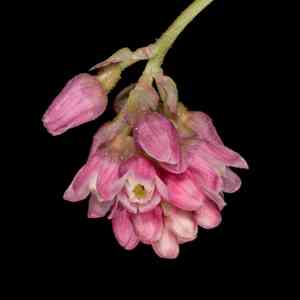
Sierra currant (Ribes nevadense)
Also known as: Sierra Currant
The Sierra currant (Ribes nevadense) is a tall, upright shrub that thrives in mountainous areas of the United States. It produces edible, blue, waxy berries. The plant's clusters of small, pink to white flowers bloom mainly from late spring to early summer, attracting various pollinators like bees.
In This Article
Attributes of Sierra currant
Lifespan
Perennial
Plant Type
Shrub
Plant Height
1 m to 2 m
Spread
1 m to 2 m
Leaf Color
Green
Flower Size
6 mm
Flower Color
Pink Purple
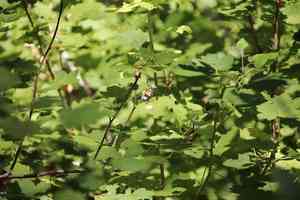
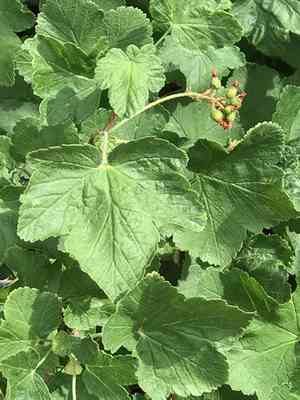
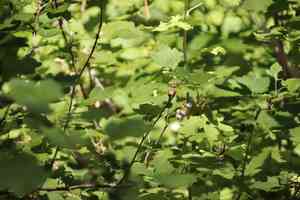
Images of Sierra currant
Quickly Identify Sierra currant
1
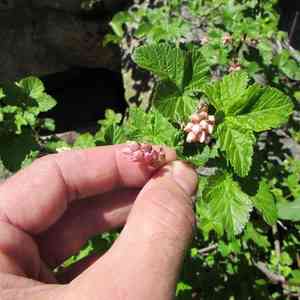
Ribes nevadense can be identified by its lobed leaves with toothed edges, clusters of small pink flowers, and red edible berries. It typically has a shrub-like appearance.
Scientific Classification of Sierra currant
Phylum
Vascular plants
Class
Dicotyledons
Order
Saxifragales
Family
Currant
Genus
Currants
Species
Sierra currant
Planting and Growing of Sierra currant
Care Difficulty
Easy
Watering Schedule
Every 4 days
Sunlight Requirements
Partial sun
Sunshine Duration
6-10 hours
Ideal Temperature
55-75℉
Soil Type
Potting Mix, Peat Mix
Soil pH
5.5-7.5
Fertilizer Type
Balanced
Pruning Season
Spring, Summer
Pruning Area
Branches, Leaves
Pruning Frequency
2 times a year
Repotting Season
Spring
Pot Type
Plastic, Ceramic
 How to Water Sierra currant?
When watering Ribes nevadense, aim to keep the soil consistently moist but not waterlogged. This typically means adding about 500 milliliters of water each time, ensuring that the water penetrates the soil thoroughly. The goal is to reach the plant's root zone without sitting in water, which can cause root rot.
What are the symptoms of an underwatered Sierra currant?
›
What should I do if my Sierra currant is not getting enough water?
›
What are the symptoms of an overwatered Sierra currant?
›
How to save an overwatered Sierra currant?
›
 What Are the Sunlight Requirements for Sierra currant?
Partial sun or full sun for 6 to 8 hours is ideal. This range supports vigorous growth and full foliage, capitalizing on effective photosynthesis.
More About Sunlight Requirements Techniques→
Solution to Achieve Ideal Lighting
›
How to Implement the Solution
›
Benefits of Ideal Lighting
›
 What Is the Ideal Temperature Range for Sierra currant?
The ideal temperature range for cultivating Ribes nevadense is between 55°F and 75°F. Within this range, the plant is able to perform its metabolic activities efficiently, yielding optimal growth and fruiting. Moderate temperatures help in maintaining the plant's hydration levels and prevent cellular stress.
 What Soil is Best for Sierra currant?
Ribes nevadense thrives in well-drained soils, which prevent waterlogging and root rot. Ensuring proper drainage helps the roots breathe and promotes healthier, more vigorous growth. Incorporating organic compost into the soil enhances soil fertility, providing essential nutrients needed for robust plant health. This enriches the soil structure and promotes strong, vibrant foliage. The soil should retain moderate moisture to keep the plant hydrated without becoming soggy. This balance supports sustained growth and flowering, ensuring the plant has consistent access to water.
 How to Fertilize Sierra currant?
Ribes nevadense generally requires a balanced fertilization approach. For liquid fertilizers, apply a solution at half-strength using approximately one liter per plant to ensure that the nutrients are absorbed efficiently without overwhelming the plant.
 How to Prune Sierra currant?
Start by identifying any dead or diseased wood. These branches will often appear discolored or brittle. Removing them early in the pruning process can help prevent the spread of any potential diseases and ensure the healthy parts of the plant receive adequate resources. Carefully assess the overall shape of the shrub and decide on a structure that suits your aesthetic preference while ensuring good air circulation. Cut back any branches that grow inward or cross each other to maintain a neat and open framework for your Ribes nevadense. To keep your Ribes nevadense at a manageable size and promote new growth, prune back the longest branches by about one-third. This approach helps rejuvenate the plant and encourages the development of new shoots, leading to a healthier and more vibrant shrub.
More About Pruning Techniques→
 How to Propagate Sierra currant plant?
1
Collect mature seeds from the Ribes nevadense fruit and sow them in seed trays filled with a light, well-draining soil mix. Cover lightly with soil and keep moist. Germination can take several weeks.
2
Select healthy, non-flowering stems around 10-15 cm in length. Cut below a node and remove any leaves from the lower half. Dip the ends in rooting hormone to encourage root development.
3
In early spring, carefully dig out the plant and divide the root ball into sections, ensuring each section has roots and shoots. Replant the divisions immediately for best results.
 How to Repot Sierra currant plant?
1
Ribes nevadense should be repotted when you notice roots creeping out of the drainage holes, or when growth appears stunted. Other signals include soil compacting and poor water absorption. Opt for the spring or summer to give the plant ample time to recover in conducive conditions.
2
Selecting the right pot involves ensuring there's enough room for root expansion, typically one size up from the current pot. Opt for pots with good drainage to prevent root rot, which is crucial for the well-being of Ribes nevadense. Material-wise, terracotta provides stability and breathability, improving overall plant health.
3
Aim for a fertile loam that allows excellent drainage yet retains enough moisture to sustain the plant's needs. Incorporate compost to boost nutrient content, which supports vigorous growth post-repotting. Remember, poor soil choice can lead to stunted growth and nutrient deficiencies.



