How to Propagate Sierra currant?
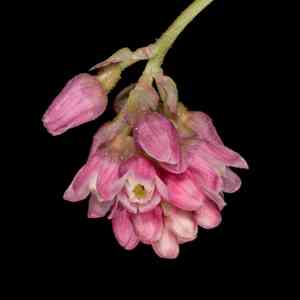
Originating from elevated terrains, sierra currant is effectively multiplied via cutting techniques. To achieve the best outcomes, cultivators ought to choose sound stem sections possessing vigorous sprouts devoid of ailments. Employing a rooting stimulant is advisable to foster root formation, and the cuttings should be inserted into a potting blend that drains efficiently to avert decay. Steady hydration and warmth will facilitate the rooting procedure, yet refrain from excessive watering. Upon establishment, sierra currant cuttings flourish in surroundings that emulate their inherent mountain habitat.
Optimal Period for Sierra Currant Propagation
Propagation Method
Cutting
Propagation Period
Autumn,Winter
Tools Required for Sierra Currant Propagation
Sharp Pruning Shears
Precise pruning shears are vital for making clean cuts on sierra currant stems for propagation. A clean cut prevents infection and encourages quicker healing and root growth. Shears designed for accuracy help make exact cuts without harming adjacent plant parts.
Rooting Hormone Powder
Rooting hormone powder enhances the probability of successful root formation when propagating sierra currant from cuttings. By dipping the cut stem end into the hormone before planting, it stimulates root development more rapidly and efficiently, boosting the overall propagation success rate.
Sterile Potting Mix
Utilizing a sterile potting mix is essential to prevent diseases and ensure a healthy growing environment for sierra currant cuttings. The sterile medium offers a clean start for new plants, free from pathogens that could potentially harm vulnerable new roots.
Propagation Tray
A propagation tray assists in organizing sierra currant's cuttings within a controlled environment. The tray helps maintain adequate moisture and temperature, crucial elements for encouraging root development during the initial growth phases.
Humidity Dome
A humidity dome placed over the propagation tray for sierra currant helps retain moisture and warmth around the cuttings. This tool is particularly important for maintaining a high humidity environment, which supports the health and growth of sierra currant during the critical root establishment phase.
How to Propagate Sierra Currant?
Propagation Type
Moderately Difficult
Post-Propagation Care for Sierra Currant
Post-Propagation Care for Sierra Currant
Once sierra currant cuttings have successfully rooted and exhibit new growth, gradually acclimate them to the outdoor environment over several weeks. Water the young plants regularly to keep the soil consistently moist but not waterlogged. Fertilize with a balanced, slow-release fertilizer to support healthy growth. As sierra currant prefers partial shade, ensure its placement protects it from intense midday sun. Regular pruning can help maintain shape and promote denser foliage.
Common Propagation Errors to Avoid with Sierra Currant
Overwatering
Excessive watering can lead to root rot and fungal diseases in sierra currant. This error compromises the plant's root health, which is crucial for nutrient absorption and overall vitality during propagation.
Deep planting
Planting sierra currant cuttings or seeds too deeply can impede their ability to sprout effectively. Deep planting reduces exposure to necessary air and light, which are vital for initiating new growth.
Ignoring pH levels
Failing to adjust soil pH to suit sierra currant's preferences can prevent the plant from absorbing essential nutrients effectively, leading to poor growth and reduced propagation success.
Tips For Propagating Sierra Currant
Softwood cuttings
Utilize softwood cuttings for propagation, as they tend to root more successfully. Ensure the cuttings are healthy and taken from a disease-free part of the parent plant to increase the success rate.
Moist but well-drained soil
Provide a propagation medium that is consistently moist but well-drained. Sierra currant requires moisture to facilitate root development, but excessive water retention can be detrimental.
Indirect light
Place sierra currant cuttings in indirect light. Direct sunlight can be too intense and lead to stress and dehydration in the early stages of root formation.



