How to Transplant Fragrant beaksedge?
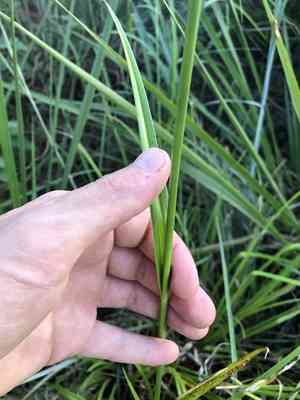
Fragrant beaksedge flourishes when relocated from early to late spring or during late autumn, as these intervals facilitate strong root development. Provide a bright spot with adequately draining earth for peak performance.
What Preparations are Necessary Before Relocating Fragrant Beaksedge?
What is the Optimal Period for Relocating Fragrant Beaksedge?
Fragrant beaksedge, a perennial, is best moved during early to late spring or late autumn. These times avoid temperature extremes, ensuring proper root establishment and minimizing transplant shock. Relocating fragrant beaksedge then maximizes its growth potential, as mild weather allows the plant to adapt efficiently and use resources effectively for robust development.
What Distance Should You Maintain Between Fragrant Beaksedge Plants?
For fragrant beaksedge, position each plant 12-24 inches (30-60 cm) apart. This provides ample room for them to grow and expand comfortably. Remember to measure the distance between each plant prior to initiating the transplanting process.
What is the Ideal Soil Mixture for Fragrant Beaksedge Relocation?
Prepare a well-draining soil mix for fragrant beaksedge, ideally with a pH between 5.5 and 6.5. Incorporating a balanced all-purpose fertilizer can help provide essential nutrients. Adding compost to the soil can also enhance its structure and fertility.
Where Should You Move Your Fragrant Beaksedge?
Fragrant beaksedge thrives in full sunlight. Select a spot that receives at least 6 hours of direct sun daily. If full sun isn't available, partial shade is acceptable, but try to ensure the location is as bright as possible.
What Equipment Should You Prepare Before Relocating Fragrant Beaksedge?
Gardening Gloves
To safeguard your hands while handling soil and the plant.
Shovel or Spade
For excavating the hole in the ground and loosening the plant from its original spot.
Hand Trowel
To assist in digging and shifting soil around the plant.
Watering Can or Hose
To hydrate the plant before and after its relocation.
Garden Fork
For aerating the soil around the plantâs roots without causing harm.
Wheelbarrow (optional)
To transport the plant if it is large or if the distance is significant.
How Do You Extract Fragrant Beaksedge from the Soil?
How Do You Extract Fragrant Beaksedge from the Soil?
From Ground: First, moisten the fragrant beaksedge plant to dampen the soil. Then, dig a wide trench around the plant using a shovel or spade, ensuring the plant's root ball remains intact. Carefully work the spade beneath the root ball to lift the plant from its original location.From Pot: Gently tap the sides of the container to loosen the soil. Tilt the pot and carefully slide the fragrant beaksedge plant out, ensuring you avoid damaging the roots. Use a hand trowel to help ease the plant out if necessary.From Seedling Tray: Water the seedlings thoroughly before removal to minimize root damage. Use a hand trowel to carefully lift the fragrant beaksedge plant, ensuring you take as much of the root system as possible.
Step-by-Step Guide for Relocating Fragrant Beaksedge
Hole Preparation
Excavate a hole in the new site that is at least twice as wide and equally as deep as the root ball of the fragrant beaksedge plant.
Checking Soil Moisture
Ensure the new hole is slightly moist, not saturated, to create an inviting environment for your fragrant beaksedge plant.
Placing the Plant
Gently position the fragrant beaksedge plant into the newly prepared hole, ensuring the top of the root ball is level with the surrounding soil.
Backfilling
Fill the hole with soil, pressing gently around the base of the plant to eliminate any air pockets.
Watering
Water the plant immediately after relocation to help settle the soil and initiate the establishment process.
How Do You Care For Fragrant Beaksedge After Relocation?
Watering
Keep the soil around the fragrant beaksedge consistently moist, but not waterlogged, for the initial weeks after relocation to aid in developing strong roots.
Mulching
Apply a 2-3 inch layer of mulch around the base of the fragrant beaksedge to retain moisture and regulate soil temperature.
Protection
Shield the fragrant beaksedge from strong winds and direct sun for a few days after relocation to reduce transplant shock.
Monitoring
Regularly inspect the fragrant beaksedge for signs of stress, such as wilting or yellowing leaves, and ensure it receives adequate water and protection.
Troubleshooting Common Issues with Fragrant Beaksedge Relocation.
When is the optimal time to relocate fragrant beaksedge?
The best time to move fragrant beaksedge is early spring to late spring or late fall.
How should I prepare the new planting location?
Ensure the planting site has well-draining soil and sufficient space, ideally 12-24 inches apart.
What should the soil pH be for fragrant beaksedge?
The soil pH should be slightly acidic to neutral, around 6.0-7.0.
How deep should I dig to relocate fragrant beaksedge?
Dig a hole as deep as the root ball and twice as wide to allow for root spread.
How do I prevent roots from drying out during relocation?
Keep the roots moist by wrapping them in damp cloth or briefly soaking them in water.
What should I do if leaves wilt after relocation?
Wilting leaves indicate transplant shock; keep the plant well-watered and protected from intense sunlight.
How much water does fragrant beaksedge need after relocation?
Water fragrant beaksedge thoroughly immediately after relocation and maintain consistent moisture without waterlogging.
What is the recommended spacing for planting fragrant beaksedge?
Space fragrant beaksedge 12-24 inches (30-60 cm) apart to ensure healthy growth and good air circulation.
Should I fertilize fragrant beaksedge after relocation?
Wait a few weeks before fertilizing fragrant beaksedge; use a balanced, slow-release fertilizer for optimal results.
How do I handle root-bound plants during relocation?
Gently separate the roots to encourage spreading; trim excessively long or damaged roots.



