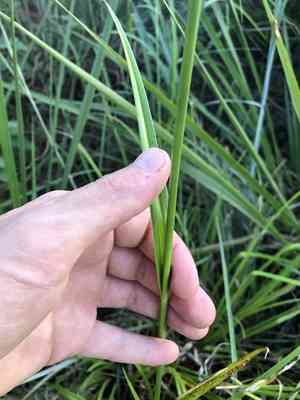
Fragrant beaksedge (Rhynchospora odorata)
Also known as: Fragrant Beaksedge
Fragrant beaksedge, often found in the swamp forests and wet grasslands of the southeastern USA, is known for its notable aroma. This grass serves as a crucial food source for various animals. Additionally, its submerged stems offer habitat for many invertebrates essential to the ecosystem.
In This Article
Attributes of Fragrant beaksedge
Lifespan
Perennial
Plant Type
Grass
Plant Height
30-60 cm
Spread
N/A (Clumping growth habit)
Leaf Color
Green
Flower Size
Small (less than 1 cm)
Flower Color
White
Images of Fragrant beaksedge
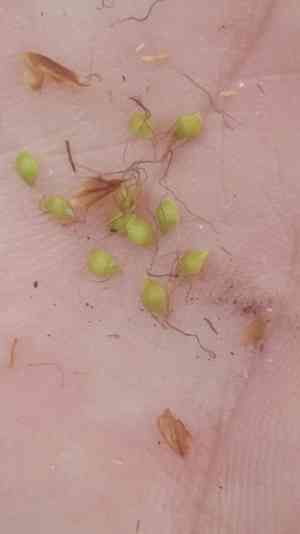
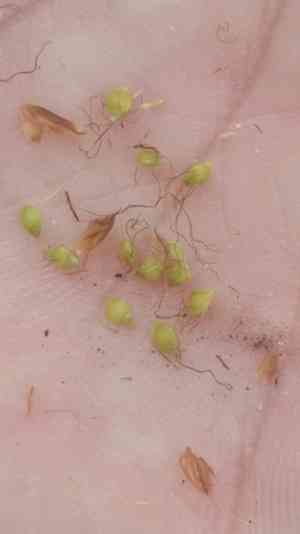
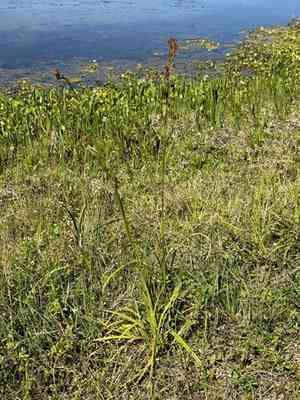
Quickly Identify Fragrant beaksedge
1
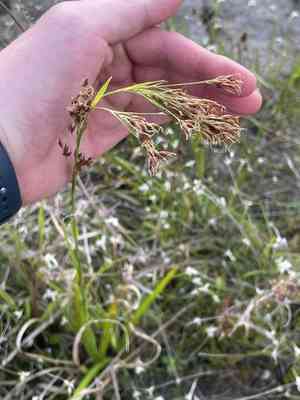
Rhynchospora odorata can be identified by its clumped growth form, slender stems, and grass-like leaves. The plant produces small, inconspicuous flowers, and emits a noticeable fragrant odor especially when bruised.
Scientific Classification of Fragrant beaksedge
Phylum
Vascular plants
Class
Monocotyledons
Order
Poales
Family
Sedge
Genus
Beak-rushes
Species
Fragrant beaksedge
Planting and Growing of Fragrant beaksedge
Care Difficulty
Moderate
Watering Schedule
Every 2 days
Sunlight Requirements
Partial sun
Sunshine Duration
6-10 hours
Ideal Temperature
60-75℉
Soil Type
Potting Mix, Peat Mix
Soil pH
6.5-7.5
Fertilizer Type
Balanced
Pruning Season
Spring, Summer
Pruning Area
Branches, Leaves
Pruning Frequency
2 times a year
Repotting Season
Spring
Pot Type
Plastic, Ceramic
 How to Water Fragrant beaksedge?
Rhynchospora odorata prefers consistent moisture without being waterlogged. Ensure that the water penetrates the soil deeply, allowing excess to drain. Watering should mimic a gentle rain shower, thoroughly moistening the roots.
What are the symptoms of an underwatered Fragrant beaksedge?
›
What should I do if my Fragrant beaksedge is not getting enough water?
›
What are the symptoms of an overwatered Fragrant beaksedge?
›
How to save an overwatered Fragrant beaksedge?
›
 What Are the Sunlight Requirements for Fragrant beaksedge?
Rhynchospora odorata prefers an environment with partial to full sunlight. This natural lighting condition promotes vigorous growth, lush foliage, and optimal flowering.
What type of light does Rhynchospora odorata prefer?
›
How can I ensure Rhynchospora odorata receives ideal light?
›
What are the benefits of giving Rhynchospora odorata ideal light?
›
 What Is the Ideal Temperature Range for Fragrant beaksedge?
Rhynchospora odorata thrives in temperatures ranging from 60 to 75°F, as these conditions mimic its natural habitat. Maintaining this temperature range ensures optimum growth and health for the plant. It is recommended to keep this environment stable for the healthy and sustained growth of the plant.
 What Soil is Best for Fragrant beaksedge?
For Rhynchospora odorata, it is crucial to have soil with excellent drainage. This characteristic prevents water-logging, which can lead to root rot and other fungal diseases. Well-draining soil ensures that the roots receive enough air and moisture balance to promote healthy plant growth. Nutrient-rich soil provides essential minerals and organic matter that support the plant's growth and flowering. A robust nutrient foundation allows Rhynchospora odorata to produce vibrant foliage and resist diseases. Enriching the soil with compost or organic fertilizers can enhance its fertility. While good drainage is important, retaining some moisture is equally vital. Soil that can retain adequate moisture ensures that Rhynchospora odorata has consistent water availability, especially during dry spells. This balance helps maintain plant health and reduces the need for frequent watering.
 How to Fertilize Fragrant beaksedge?
For Rhynchospora odorata, the amount of fertilizer should be carefully measured to avoid over-fertilization. Typically, a diluted liquid fertilizer should be used, applying around half the recommended dose indicated on the product packaging. This ensures that the nutrients are absorbed efficiently without stressing the plant.
 How to Prune Fragrant beaksedge?
Pruning Rhynchospora odorata during the early spring or by mid-summer maximizes its growth potential. The plant responds best to pruning when it's actively growing, allowing it to recover quickly and develop stronger, more robust stems. Pruning at these times helps in managing size and preventing overgrowth. After pruning, ensure Rhynchospora odorata receives adequate water and consider a light fertilizer to support new growth. Check regularly for any signs of stress or disease and address these promptly. Proper aftercare will ensure that the plant continues to thrive and benefits fully from the pruning process.
More About Pruning Techniques→
 How to Propagate Fragrant beaksedge plant?
1
Collect ripe seeds from the Rhynchospora odorata plant. Allow them to dry for a few days to ensure they are ready for planting. Soak them in water overnight to assist in the germination process.
2
Sow the prepared seeds evenly onto the surface of the seed tray filled with seed mix. Lightly cover them with a thin layer of fine soil. Water gently, ensuring the soil is consistently moist but not waterlogged.
3
For division propagation, carefully dig up the mature plant using a garden trowel. Gently separate the roots into smaller sections, ensuring each section has a healthy root system for successful growth.
 How to Repot Fragrant beaksedge plant?
1
Watch for signs such as slowed growth, roots coming out of the drainage holes, or soil drying out too quickly. These indicate it's time to repot Rhynchospora odorata, ensuring it has room to grow and access to fresh nutrients, typically during the warmer months.
2
Select a pot that's 1-2 inches larger in diameter than the current one. It should have drainage holes to prevent waterlogging, which can lead to root rot. Using a suitable pot enhances airflow and provides adequate space for root expansion, promoting healthier growth.
3
Opt for a moist, well-draining peat-rich soil mix, which mirrors its natural habitat. Such soil retains adequate moisture while allowing excess water to drain, preventing the roots from rotting and encouraging robust growth through adequate nourishment.



