How to Prune Fragrant beaksedge?
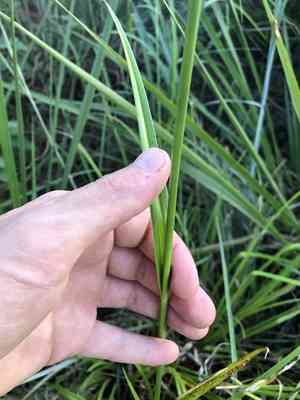
Sweet-scented beaksedge, recognized for its aromatic flowers, flourishes with pruning in the initial part of spring or during winter. Eliminate deceased or compromised leaves to foster more robust development. Reducing dense sections enhances air circulation and light exposure, diminishing the likelihood of illness. Revitalize mature specimens by judiciously trimming older stalks down to the ground. Appropriate pruning boosts blooming and preserves the plant's form. Consistently employ sanitized, keen implements to execute accurate cuts and avert pathogens.
What Are the Benefits of Pruning Fragrant Beaksedge?
What Are the Benefits of Pruning Fragrant Beaksedge?
Trimming fragrant beaksedge encourages robust development and helps maintain its form, ensuring the plant stays healthy and aesthetically pleasing. It also assists in managing its size, preventing congestion, and boosting its resistance to pests and illnesses.
What Is the Best Time for Pruning Fragrant Beaksedge?
What Is the Best Time for Pruning Fragrant Beaksedge?
Pruning fragrant beaksedge in early spring or winter aligns with its dormant phase, minimizing plant stress and lowering the chance of disease or pest infestation. Early spring trimming allows for better air circulation and sunlight penetration as the plant begins its growth cycle, fostering healthy new development. Additionally, winter pruning ensures the plant's energy is conserved for the upcoming growth period, leading to vigorous development.
What Tools Do I Need to Prune Fragrant Beaksedge?
Hand Pruners (Bypass Pruners)
Hand pruners are perfect for small, precise cuts. They enable gardeners to snip off dead or damaged stems and leaves to encourage healthy growth in fragrant beaksedge.
Long-handled Pruners
These are useful for reaching and cutting through thicker sections of fragrant beaksedge without harming nearby plants. The extended reach helps preserve the plant's shape and accessibility.
Pruning Shears
Pruning shears are best for cutting through thicker and more robust stems of fragrant beaksedge. They provide clean cuts, which are crucial for preventing disease entry points.
Scissors
For more delicate and finer trimming, scissors can be used to snip smaller, intricate parts of fragrant beaksedge without causing unnecessary damage.
Gloves
While not a cutting tool, gloves are essential for protecting hands from potential cuts, blisters, or exposure to plant sap during the trimming process.
How to Prune Fragrant Beaksedge
Assess plant
Examine fragrant beaksedge carefully to identify and mark the diseased leaves and withered leaves that need trimming.
Disinfect tools
Clean and sanitize pruning tools with a solution of one part bleach to nine parts water to prevent the spread of illness.
Remove diseased leaves
Use sterilized shears to cut off diseased leaves close to the stem, making clean cuts to encourage healthy new growth.
Trim withered leaves
Carefully snip off withered leaves at the base, removing any brown or dead tissue without harming healthy parts.
Dispose of trimmings
Collect and discard all removed plant material in a sealed bag to prevent any potential spread of disease or pests.
Common Pruning Mistakes with Fragrant Beaksedge
Improper Technique
One of the most frequent errors is using dull trimming tools, which can cause jagged cuts and damage the plant. Always ensure your pruning shears are sharp and clean to make precise cuts.
Over-pruning
Excessive trimming can stress fragrant beaksedge, leading to reduced growth and potential vulnerability to diseases. It's crucial to remove only what is necessary, rather than cutting back more than one-third of the plant at once.
Incorrect Timing
Trimming at the wrong time can disrupt the plant's growth cycle. Avoid heavy pruning during active growth periods as it can cause unnecessary stress.
Neglecting Dead or Diseased Material
Failing to remove dead or diseased parts of fragrant beaksedge can lead to further spread of disease and affect the overall health of the plant.
Common Pruning Tips for Fragrant Beaksedge
Use Clean, Sharp Tools
Always use sharp and sanitized trimming tools to ensure clean cuts, avoiding the risk of infection and promoting better healing.
Prune for Shape and Air Circulation
Trim fragrant beaksedge to maintain an open structure, which increases air circulation and reduces the risk of fungal diseases. Focus on removing any dense thickets and crossing branches.
Remove Dead or Diseased Parts
Regularly check fragrant beaksedge for any dead or diseased parts and remove them promptly to maintain plant health and prevent the spread of disease.
Make Selective Cuts
Focus on selective trimming rather than shearing the entire plant. Target specific branches that may be crowding or crossing each other to encourage a more natural and healthy growth pattern.



