How to Propagate Fragrant beaksedge?
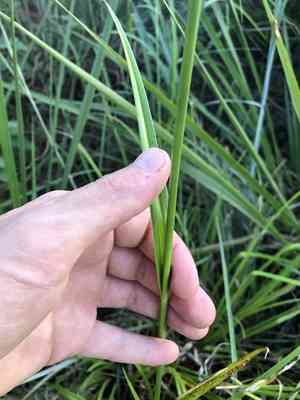
Scented beaksedge is a distinctive botanical specimen recognized for its delightful aroma and intricate form. For its reproduction, the most successful technique involves division. Gently detach the root clumps, making certain that every separated section possesses robust roots and nascent growth. Reinsert them without delay into damp, peat-enriched substrate, ensuring thorough watering until they are firmly rooted. Shield them from excessively bright locations to avert dehydration.
Optimal Period for Propagating Fragrant Beaksedge?
Propagation Method
Division
Propagation Period
Spring,Autumn
Tools Utilized in Fragrant Beaksedge Propagation?
Sharp Garden Spade
A keen garden spade is vital for separating fragrant beaksedge. Its main function is to cleanly sever the root system without excessive harm, ensuring each segment possesses a robust root structure for successful replanting.
Pruning Shears
Pruning shears are useful for trimming any damaged or dead foliage before and after division. This aids in maintaining plant health and encourages new development.
Garden Fork
A garden fork assists in carefully lifting the fragrant beaksedge clump from the soil with minimal root disturbance. This implement is also helpful for gently separating the roots when dividing the clusters.
Root Knife
A root knife is especially advantageous for managing tough or densely packed root systems. It guarantees clean and precise cuts during the division process, which promotes faster recovery and growth.
Watering Can with Fine Rose
Sufficient watering is critical, particularly immediately following division. A watering can with a fine rose permits gentle irrigation, ensuring the newly divided plants receive ample moisture without the risk of soil erosion or root disruption.
Plant Labels
Monitoring each division is important to track their progress. Plant labels aid in identifying and differentiating each segment, ensuring proper care and tracking of growth over time.
Sterilizing Solution
Employing a sterilizing solution is important for cleaning tools before and after propagation. This practice prevents the spread of disease and ensures plant health and viability.
How to Propagate Fragrant Beaksedge?
Propagation Type
Easy
How to Care for Your Newly Propagated Fragrant Beaksedge?
How to Care for Your Newly Propagated Fragrant Beaksedge?
Post-propagation, maintain moist but not waterlogged soil conditions for fragrant beaksedge. Position the plants in an area with partial to full sun exposure. Regularly check for and remove weeds to reduce competition. Apply mulch around the base to retain soil moisture and regulate temperature. Monitor for pests and diseases, taking appropriate action if detected. Ensure adequate spacing to promote airflow and healthy growth.
Common Errors to Avoid When Propagating Fragrant Beaksedge
Overwatering
Excessive moisture can lead to root rot, causing the plant to struggle or perish.
Inadequate Soil Preparation
Using soil that does not drain well can retain too much water, leading to poor root development and plant health.
Lack of Sunlight
Insufficient light can impede growth and diminish the plant's vigor, making successful propagation challenging.
Incorrect Cutting Techniques
Improperly taking cuttings can harm the plant and reduce the chances of successful root development.
Tips For Propagating Fragrant Beaksedge
Moderate Watering
Ensure that the medium is moist but not waterlogged to prevent root rot.
Well-draining Soil
Use a soil mix that allows for good drainage while providing essential nutrients.
Ample Light
Place the plant in a location that receives adequate sunlight for healthy growth.
Proper Cutting Methods
Use clean, sharp tools to take cuttings, ensuring that each cut is made just below a node to maximize rooting potential.



