How to Transplant Lapland rosebay?
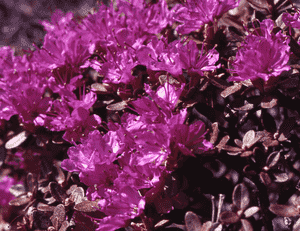
The most favorable period for relocating lapland rosebay spans from the conclusion of winter's frost to the diminishing coolness of late spring, facilitating strong root development. To achieve successful relocation, choose a location that is cool and shaded, featuring soil that drains effectively and is acidic. Careful manipulation is crucial to prevent any strain on the roots.
Necessary Preparations Before Moving Lapland Rosebay?
When is the Best Time to Relocate Lapland Rosebay?
Move lapland rosebay from late winter's end into early spring. This timing allows lapland rosebay to establish its root system before the summer heat arrives. You'll be providing it with a gentle transition, boosting its growth in anticipation of the flowering season.
What is the Recommended Spacing Between Lapland Rosebay Plants?
When arranging your lapland rosebay, aim for a separation of approximately 1-3 feet (30-90 cm) between each specimen. This provides ample room for each to thrive and become a focal point in your garden!
What is the Optimal Soil Mixture for Lapland Rosebay Relocation?
For your lapland rosebay, prepare a planting area with well-draining, acidic soil enriched with a mild base fertilizer. A blend of peat moss or pine needles works exceptionally well for these acid-loving plants!
Where Should You Replant Your Lapland Rosebay?
Select a location where your lapland rosebay will receive filtered sunlight or partial shade. Excessive direct sun can harm these delicate plants, so consider a spot with morning sun or dappled afternoon light!
What Tools Should You Prepare Before Transplanting Lapland Rosebay?
Gardening Gloves
To safeguard your hands while handling soil and plants.
Trowel
For excavating small holes and refining the new planting site.
Spade or Shovel
To dig up the plant and prepare the new planting hole.
Watering Can or Hose
To hydrate the plant before and after its relocation.
Pruning Shears
To trim any dead or damaged roots or branches prior to transplanting.
Wheelbarrow
To transport the lapland rosebay and any soil amendments as required.
Burlap or Tarp
To secure the root ball during transit, if necessary.
How Do You Extract Lapland Rosebay from the Ground?
How Do You Extract Lapland Rosebay from the Ground?
From Ground: Start by watering the lapland rosebay plant to moisten the soil, facilitating easier digging. Excavate a wide trench around the plant, being careful not to harm the root ball, and gently lift the plant out using a spade or shovel.From Pot: Water the lapland rosebay, then tilt the pot sideways and gently tap it to loosen the plant. Carefully slide the plant out while supporting its base and roots. If the plant is stuck, cautiously cut the pot away without disturbing the roots.From Seedling Tray: Water the seedlings first, then use a trowel or your fingers to lift the lapland rosebay from its cell, supporting the root mass to prevent damage.
Step-by-Step Guide for Relocating Lapland Rosebay
Plant Preparation
Ensure the lapland rosebay is thoroughly watered before the move to minimize transplant shock and help the root ball retain its form.
Excavation
Dig a hole in the chosen spot approximately twice the width of the root ball and the same depth. This allows the roots to spread easily.
Plant Inspection
Before placing the lapland rosebay in its new location, examine the root ball. Trim any broken or dead roots and branches to encourage fresh growth.
Placement
Position the lapland rosebay in the center of the hole so that the top of the root ball is level with the surrounding ground. This promotes proper development.
Filling In
Carefully backfill the hole with the excavated soil, lightly tamping it down to eliminate air pockets without overly compacting the soil, which can impede root growth.
Watering
Once the lapland rosebay is in place and the soil is backfilled, water the plant thoroughly to settle the soil around the roots and aid in its recovery from the transplant.
Support
If the lapland rosebay is particularly large or if the site is exposed to strong winds, stake the plant to prevent it from leaning or becoming dislodged.
How Do You Care For Lapland Rosebay After Relocation?
Monitoring
Regularly check the lapland rosebay for indications of stress, such as wilting or discoloration, and promptly address issues with appropriate care or adjustments.
Watering
Provide the lapland rosebay with consistent moisture, especially during the initial weeks after transplanting, to encourage root establishment without causing waterlogging.
Mulching
Apply a layer of organic mulch around the base of the lapland rosebay to help retain soil moisture, regulate temperature, and reduce weed competition.
Staking
Inspect stakes for stability and adjust as needed to keep the lapland rosebay secure until it can stand firmly on its own.
Pruning
Remove any dead or damaged growth to encourage healthy new shoots and maintain an attractive shape.
Addressing Common Issues with Lapland Rosebay Relocation.
What's the ideal period for moving lapland rosebay?
The optimal time to relocate lapland rosebay is from early to late spring, when moderate conditions support root establishment.
How far apart should I plant lapland rosebay for healthier growth?
Space lapland rosebay 1-3 feet apart (30-90 cm), to ensure sufficient room for growth and air circulation.
Why are my lapland rosebay leaves wilting after transplanting?
Wilting after relocation may indicate shock; ensure adequate soil moisture, avoid direct sunlight, and shield from strong winds for recovery.
How deep should I dig the hole for relocating lapland rosebay?
Dig a hole twice as wide and the same depth as the root ball to comfortably accommodate lapland rosebay's root system.
Is it normal for lapland rosebay to drop leaves after transplanting?
Leaf drop can occur due to transplant shock. Keep the soil moist and the plant stable to minimize stress.
What type of soil is best suited for relocating lapland rosebay?
Well-draining, acidic soil with a pH of 4.5 to 5.5 is perfect for lapland rosebay. Amend soil with organic matter if necessary.
Can I move lapland rosebay on a hot day?
Relocating lapland rosebay on a hot day can stress the plant; choose a cool, overcast day or evening to avoid the heat.
Should I fertilize lapland rosebay immediately after transplanting?
Wait 4-6 weeks before fertilizing lapland rosebay to allow roots to settle. Use a balanced, slow-release fertilizer suitable for acid-loving plants.
How much should I water lapland rosebay after transplanting?
Initially, water lapland rosebay thoroughly to settle the soil, then maintain consistent moisture without overwatering, especially during dry periods.
What if my relocated lapland rosebay appears unhealthy?
Assess sunlight, watering, and soil conditions. Provide partial shade, keep soil consistently moist, and ensure good drainage to aid recovery.



