How to Propagate Lapland rosebay?
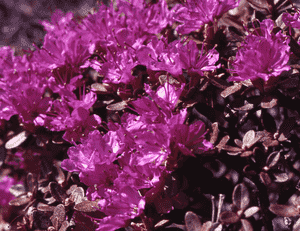
Lapland rosebay flourishes when propagated via cuttings. Begin with vigorous parent specimens, choosing semi-lignified stems possessing multiple leaves. Prepare a sanitized potting substrate and a rooting stimulant to foster development. Cuttings ought to be situated in a medium that drains effectively, maintained in a moist but not saturated state, and shielded from direct solar exposure to facilitate root formation. Perseverance is essential, as lapland rosebay might require a period to cultivate a strong root structure. Guarantee ample air movement to prevent fungal infections that could impede successful propagation.
Optimal Time for Lapland Rosebay Propagation
Propagation Method
Cutting
Propagation Period
Spring,Summer
Tools Required for Lapland Rosebay Propagation
Sharp, Sterile Pruning Shears
These are crucial for obtaining healthy, clean cuttings from lapland rosebay. Sharp blades ensure a precise cut, minimizing harm to the parent plant and boosting cutting survival rates. Sterilization prevents disease spread between plants.
Rooting Hormone Powder or Gel
This product encourages root development from lapland rosebay cuttings. Applying a rooting hormone to the freshly cut stem helps accelerate root formation and increases the likelihood of successful propagation.
Peat Pots or Other Biodegradable Containers
These containers are perfect for planting lapland rosebay cuttings due to their eco-friendly nature. They reduce root disturbance during transplanting, as the entire pot can be placed directly into the soil, which is beneficial for the delicate roots of lapland rosebay.
Perlite or Vermiculite Mix
Adding either perlite or vermiculite to the potting mix improves aeration and drainage, which are vital for the root health of lapland rosebay cuttings. These materials help prevent root rot and support the development of strong root systems.
Misting Spray Bottle
Regular misting is essential to maintain humidity around lapland rosebay cuttings, which helps prevent them from drying out before they can establish roots. A fine mist setting is preferred to avoid dislodging the cuttings or causing waterlogging.
How to Propagate Lapland Rosebay?
Propagation Difficulty
Moderately Difficult
Caring for Your Newly Propagated Lapland Rosebay
Caring for Your Newly Propagated Lapland Rosebay
Once lapland rosebay has developed a robust root system, gradually move it to a location with partial shade, mimicking its natural habitat. Water the plant consistently, ensuring the soil remains moist but not waterlogged, especially during dry spells. Apply a rhododendron-specific fertilizer annually at the start of the growing season to encourage healthy growth and flowering. Protect young plants from harsh weather conditions like heavy snow or frost by providing adequate shelter or mulch.
Common Errors to Avoid When Propagating Lapland Rosebay
Overwatering
Excessive watering can lead to root rot in lapland rosebay, which thrives in well-drained soils. Saturated conditions are harmful and can hinder successful propagation.
Deep planting
Planting cuttings or seeds too deeply can impede germination and root development in lapland rosebay, as it requires light for optimal growth and should be positioned just beneath the soil surface.
Ignoring humidity needs
Lapland rosebay benefits from consistent humidity to prevent cuttings from drying out. Neglecting this requirement can result in poor root development and cutting failure.
Using unsterilized tools
Propagation failures often occur due to infection, and unsterilized tools can introduce pathogens to lapland rosebay's delicate cuttings or seeds.
Tips For Propagating Lapland Rosebay
Well-draining soil
Use a well-draining soil mix to support the healthy growth of lapland rosebay's roots and prevent waterlogging, which is crucial to avoid root diseases.
Surface sowing
For seed propagation, lightly cover lapland rosebay's seeds with a thin layer of soil or sand. This ensures they receive necessary light for germination while being properly anchored.
Maintaining humidity
Keep the propagation environment of lapland rosebay humid by covering cuttings with a plastic dome or using a misting system, which helps maintain moisture without overwatering.
Sterilizing tools
Always use sterilized tools when cutting or handling lapland rosebay's tissue to minimize the risk of transmitting diseases that can severely impact propagation success.



