The Lapland rosebay Plant Advantage: Maximizing Home and Office Appeal and Wellness
1
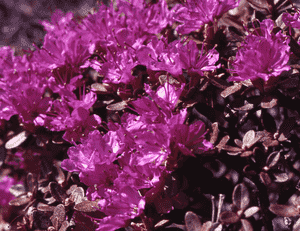
Lapland rosebay is recognized for its vivid purple-pink flowers, enhancing garden aesthetics.
2
It flourishes in arctic and subarctic environments, demonstrating its robustness and endurance.
3
Lapland rosebay offers ecological advantages by sustaining pollinators such as bees and birds.
What Are the Visual Advantages of Lapland Rosebay?
Vibrant Blooms
Lapland rosebay is renowned for its striking purple-pink flowers that can transform any garden into a captivating scene. These blossoms typically emerge in late spring to early summer, offering a burst of color when most other plants are just starting to flower. The vivid shades of Lapland rosebay create a focal point in gardens, making them visually appealing and inviting.
Compact Growth
Lapland rosebay's dense growth habit makes it an excellent option for small gardens and container cultivation. Its low-growing nature allows it to be planted in rockeries, alongside paths, or as ground cover. This adaptability in growth makes Lapland rosebay an ideal choice for adding visual charm without requiring extensive space.
How Does Lapland Rosebay Benefit Local Ecosystems?
Supports Pollinators
Lapland rosebay plays a vital role in sustaining local pollinators such as bees and birds. The plant's flowers produce nectar, attracting these crucial creatures and aiding their survival. By cultivating Lapland rosebay in your garden, you contribute to the health and sustainability of local ecosystems.
Erosion Control
The robust nature of Lapland rosebay makes it effective in preventing soil erosion. Its extensive root system stabilizes the ground, particularly on slopes and in areas prone to erosion. This characteristic is especially advantageous in arctic and subarctic regions where soil stability can be a significant concern.
Why Is Lapland Rosebay Ideal for Cold Climates?
Adaptability to Cold Temperatures
Lapland rosebay is indigenous to arctic and subarctic regions, meaning it is exceptionally well-suited for chilly climates. It can endure harsh winter conditions and even flourish in poor soil quality. This resilience makes Lapland rosebay a reliable choice for gardeners in northern areas.
Low Maintenance
Lapland rosebay requires minimal upkeep once established. It is generally resistant to pests and does not demand frequent watering. Its ability to thrive in low-nutrient soils further reduces the need for constant fertilization. This low-maintenance quality makes Lapland rosebay an attractive option for gardeners seeking a beautiful yet undemanding plant.
Can Lapland Rosebay Be Utilized in Landscaping Projects?
Versatile Design Element
Lapland rosebay's adaptability in size and color makes it a preferred choice among landscape designers. It can be used as a solitary specimen plant to draw attention or in mixed borders alongside other shrubs and perennials. Its flexibility allows it to integrate seamlessly into various landscaping styles, from contemporary to traditional.
Combining with Other Plants
Lapland rosebay pairs well with other native plants and shrubs, creating a harmonious and balanced garden design. Its blooms can complement the colors of other flowers and provide a consistent visual theme. This compatibility with a wide range of plants makes Lapland rosebay an excellent addition to any garden plan.
What Care Guidelines Ensure Optimal Growth for Lapland Rosebay?
Soil and Planting Position
Lapland rosebay thrives best in well-draining, acidic soil. When planting, select a location with partial shade to full sun exposure. Ensuring the correct soil type and light conditions will help Lapland rosebay achieve optimal growth and vibrant blooms.
Pruning and Watering
Regular trimming helps maintain Lapland rosebay's shape and encourages new growth. Watering should be consistent but moderate, as over-watering can lead to root rot. Applying mulch around the base of the plant can help retain moisture and protect the roots from extreme temperature fluctuations.



