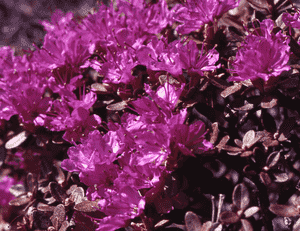
Lapland rosebay (Rhododendron lapponicum)
Also known as: Lapland rhododendron
Rhododendron lapponicum, commonly known as Lapland rhododendron, is a species native to subarctic regions globally, thriving from sea level up to 1900 meters in elevation. This low-growing shrub reaches heights of 20 to 45 centimeters. Its leaves are oblong-elliptic to oblong-obovate, measuring 0.4 to 1.5 centimeters in width and 2 to 5 millimeters in length. The plant produces fragrant, reddish or purple flowers, with a scent reminiscent of Lily-of-the-Valley.
In This Article
Attributes of Lapland rosebay
Lifespan
Perennial
Plant Type
Shrub
Plant Height
5 cm to 15 cm
Spread
1 m
Leaf Color
Dark green
Flower Size
1.5 cm
Flower Color
Pink Purple Red
Images of Lapland rosebay
Quickly Identify Lapland rosebay
1
Look for a small, evergreen shrub with leathery, dark green leaves and small, bell-shaped purple flowers. It typically grows in rocky, alpine environments. The leaves are usually about 1-2 cm long and the flowers possess a slight fragrance.
Scientific Classification of Lapland rosebay
Phylum
Vascular plants
Class
Dicotyledons
Order
Heathers and allies
Family
Heath
Genus
Azaleas
Species
Lapland rosebay
Planting and Growing of Lapland rosebay
Care Difficulty
Hard
Watering Schedule
Every 2 days
Sunlight Requirements
Partial sun
Sunshine Duration
6-10 hours
Ideal Temperature
50-65℉
Soil Type
Potting Mix, Peat Mix
Soil pH
4.5-5.5
Fertilizer Type
Balanced
Pruning Season
Spring, Summer
Pruning Area
Branches, Leaves
Pruning Frequency
2 times a year
Repotting Season
Spring
Pot Type
Terracotta, Plastic
 How to Water Lapland rosebay?
Rhododendron lapponicum prefers a moderate amount of water, typically around 500 milliliters per watering session. Ensure the soil is moist but not waterlogged. The goal is to keep the root environment damp without drowning the roots in excess water, which can lead to root rot. Always check the soil moisture before watering.
What are the symptoms of an underwatered Lapland rosebay?
›
What should I do if my Lapland rosebay is not getting enough water?
›
What are the symptoms of an overwatered Lapland rosebay?
›
How to save an overwatered Lapland rosebay?
›
 What Are the Sunlight Requirements for Lapland rosebay?
A partial sun environment for Rhododendron lapponicum allows it to benefit from morning light, crucial for strong blooming and vibrant foliage, while avoiding heat stress of strong afternoon sun.
More About Sunlight Requirements Techniques→
Is this plant suitable for full sun exposure?
›
How to achieve optimal lighting conditions for Rhododendron lapponicum?
›
What benefits does Rhododendron lapponicum gain from ideal lighting?
›
 What Is the Ideal Temperature Range for Lapland rosebay?
Rhododendron lapponicum thrives best within a temperature range of 50 to 65 degrees Fahrenheit. This range provides an optimal environment for the plant to develop strong roots and vibrant blooms. When temperatures fall within this ideal range, the metabolic processes necessary for growth and flowering are supported effectively.
 What Soil is Best for Lapland rosebay?
Rhododendron lapponicum thrives in acidic soil with a pH range of 4.5 to 5.5. This level of acidity is crucial because it ensures the availability of essential nutrients like iron and manganese, enhancing the plant's ability to produce vibrant blooms and lush foliage. This plant demands soil rich in organic material. The decomposing leaves and humus enrich the soil, improving its structure and water retention. Such conditions mimic its natural alpine environment, ensuring optimal growth and health. Rhododendron lapponicum requires well-drained soil to prevent root rot. Sandy loam or peat soil offers the perfect balance, allowing excess water to escape while retaining enough moisture for the plant's needs, thereby ensuring vigorous growth.
 How to Fertilize Lapland rosebay?
For Rhododendron lapponicum, it's important to apply fertilizers sparingly. Use a balanced fertilizer that is low in phosphorus, such as a 10-5-10 or a 12-6-6 formulation. Apply approximately 1/2 cup of granular fertilizer per plant during the growing season. This will provide sufficient nutrients without risking root damage from over-fertilization.
 How to Prune Lapland rosebay?
Start by examining the plant and identify any dead, diseased, or damaged wood. Trim these parts off using sharp pruning shears to encourage new growth and ensure the health of your Rhododendron lapponicum. Maintain the plant's natural shape by selectively cutting back any longer branches that disturb its overall form. This should be done carefully to avoid cutting off too much foliage and ensure the plant retains its aesthetic appeal. After the bloom period in spring, prune faded flowers and seed heads to redirect energy towards root and leaf development. This practice will encourage more vibrant flowering in the next season.
More About Pruning Techniques→
 How to Propagate Lapland rosebay plant?
1
Collect seeds from mature Rhododendron lapponicum plants in late summer when the seed pods are brown and dry. Ensure seeds are thoroughly dried before storage to prevent mold.
2
For cutting propagation, select healthy, semi-hardwood stems. Cut a 4-6 inch section, remove lower leaves, and dip the cut end in rooting hormone. Plant in a well-draining potting mix.
3
Layering involves bending a low branch to the ground, slightly wounding the branch where it touches the soil, and pinning it down. Cover the wounded section with soil and keep it moist until roots form.
 How to Repot Lapland rosebay plant?
1
Rhododendron lapponicum should be repotted when you notice signs such as roots growing through drainage holes, soil that dries out too quickly, or the plant appearing top-heavy. Early signs like stunted growth or yellowing leaves can also indicate it's time for a change.
2
When selecting a pot for repotting, pick one just a few inches larger in diameter than the current pot. Ensure it has several drainage holes to prevent waterlogging, which rhododendrons are particularly susceptible to. This helps maintain proper hydration levels and provides room for root expansion.
3
Opt for a well-draining, acidic soil mix enriched with organic matter like pine bark or peat moss. This composition helps maintain the acidic conditions rhododendrons thrive in and ensures good root aeration, reducing the risk of root rot and ensuring robust growth.
Toxicity
ingestion and contact with sap
WARNING
The judgment on toxicity and danger is for reference only. We DO NOT GUARANTEE any accuracy of such judgment. Therefore, you SHALL NOT rely on such judgment. It is IMPORTANT TO SEEK PROFESSIONAL ADVICE in advance when necessary.



