How to Transplant Rhodanthe chlorocephala?
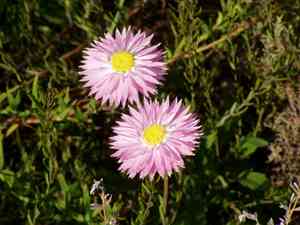
Rhodanthe chlorocephala, a charming yearly bloomer, flourishes when moved from its initial spot between early and mid-spring. This timeframe provides ideal warmth and hydration. Select a bright, adequately drained site. If necessary, carefully manage young plants to lessen root disruption and foster vigorous development.
What Preparations are Necessary Before Relocating Rhodanthe Chlorocephala?
What is the Optimal Period for Relocating Rhodanthe Chlorocephala?
Rhodanthe chlorocephala, an annual plant, is best moved during early to mid-spring. This timing allows for ideal root establishment prior to summer heat and takes advantage of the moist, warming soil conditions. Early spring relocation reduces stress and encourages vigorous development, leading to a robust plant ready to flower by late spring or early summer.
How Much Distance Should You Maintain Between Rhodanthe Chlorocephala Plants?
Ensure you position your rhodanthe chlorocephala 6-8 inches (15-20 cm) apart. This spacing promotes adequate air circulation and growth. Use a ruler or your hands to maintain consistent distances.
What is the Best Soil Mixture for Rhodanthe Chlorocephala Relocation?
For rhodanthe chlorocephala, utilize a well-draining, sandy loam soil. Enrich the soil with a balanced, slow-release fertilizer before planting. This will provide your plants with the necessary nutrients to flourish.
Where Should You Move Your Rhodanthe Chlorocephala?
Select a spot with ample sunlight. Rhodanthe chlorocephala thrives in areas receiving at least 6 hours of direct sunlight daily. This guarantees strong growth and vibrant blooms.
What Tools Should You Prepare Before Relocating Rhodanthe Chlorocephala?
Gardening Gloves
To safeguard your hands while handling soil and plants.
Shovel or Spade
For excavating and shifting earth.
Trowel
For precise digging around the plant's root mass.
Watering Can
For hydrating the plant before and after its move.
Garden Fork
To gently loosen the soil surrounding the plant.
Pruners
For trimming any damaged roots or dead foliage.
Wheelbarrow
To transport the plant from one spot to another if required.
How Do You Extract Rhodanthe Chlorocephala from the Ground?
How Do You Extract Rhodanthe Chlorocephala from the Ground?
From Ground: First, water the rhodanthe chlorocephala plant to moisten the soil. Then, dig a wide trench around the plant using a shovel or spade, ensuring the plant's root ball remains intact. Carefully work the spade beneath the root ball to lift the plant from its original position.From Pot: Water the rhodanthe chlorocephala plant to dampen the soil. Gently tap or squeeze the sides of the container to loosen the soil. Carefully invert the pot and support the plant's stem, allowing the plant to slide out with its root ball intact.From Seedling Tray: Water the rhodanthe chlorocephala seedlings to moisten the soil. Use a small trowel or your fingers to gently lift each seedling from the tray, making sure to keep as much of the root ball intact as possible.
Step-by-Step Guide for Relocating Rhodanthe Chlorocephala
Prepare the New Location
Dig a hole that is twice as wide and equally deep as the root ball of the rhodanthe chlorocephala plant. Loosen the soil at the base of the hole to aid root penetration.
Improve the Soil
If needed, mix organic matter or compost with the soil removed from the hole to enhance drainage and nutrient content.
Relocate the Plant
Place the rhodanthe chlorocephala plant into the hole, ensuring that the top of the root ball is level with the surrounding soil. Fill in the hole with the improved soil, gently pressing it down to eliminate air pockets.
Water the Plant
Thoroughly water the rhodanthe chlorocephala plant at its base to ensure the soil around the roots is settled and the plant is well-hydrated.
Mulch
Apply a layer of mulch around the base of the rhodanthe chlorocephala plant to help retain moisture and suppress weeds. Keep the mulch a few inches away from the stem to prevent rot.
How Do You Care For Rhodanthe Chlorocephala After Relocation?
Watering
Keep the soil around the rhodanthe chlorocephala consistently moist, but not waterlogged, for the initial weeks after relocating to help establish strong roots.
Monitoring
Regularly check for signs of stress such as wilting or yellowing leaves. Address any issues promptly by adjusting watering or checking for pests.
Support
If the rhodanthe chlorocephala plant is tall or top-heavy, consider using stakes or supports to keep it upright and prevent damage from wind or heavy rain.
Pruning
Remove any damaged or dead foliage to encourage new growth and prevent disease.
Feeding
After a few weeks, consider applying a balanced, water-soluble fertilizer to support the plant's growth and development.
Troubleshooting Common Issues with Rhodanthe Chlorocephala Relocation.
When is the best time to relocate rhodanthe chlorocephala?
Relocate rhodanthe chlorocephala from early to mid spring for optimal growth and success.
How should rhodanthe chlorocephala be spaced when relocating?
Space rhodanthe chlorocephala 6-8 inches (15-20 cm) apart to ensure healthy growth and airflow.
What soil is best for relocating rhodanthe chlorocephala?
Rhodanthe chlorocephala prefers well-draining soil with a slightly sandy texture for optimal root development.
How do I prevent relocation shock in rhodanthe chlorocephala?
Water thoroughly after relocating and avoid disturbing the roots to minimize shock.
Should I fertilize rhodanthe chlorocephala after relocating?
Apply a balanced, slow-release fertilizer a few weeks after relocating to support growth.
How deep should I plant rhodanthe chlorocephala seedlings?
Plant rhodanthe chlorocephala seedlings at the same depth they were in their original containers.
Can I relocate rhodanthe chlorocephala in full sun?
Rhodanthe chlorocephala thrives in full sun, so choose a sunny location for relocating.
What should I do if rhodanthe chlorocephala wilts after relocating?
Ensure soil is consistently moist, but not waterlogged, and protect from harsh sunlight initially.
Is mulching necessary for rhodanthe chlorocephala?
Mulch around rhodanthe chlorocephala to retain moisture and regulate soil temperature, but keep it away from stems.
What temperature should the soil be for relocating rhodanthe chlorocephala?
Ensure soil temperature is above 50°F (10°C) for the successful relocation of rhodanthe chlorocephala.



