How to Prune Rhodanthe chlorocephala?
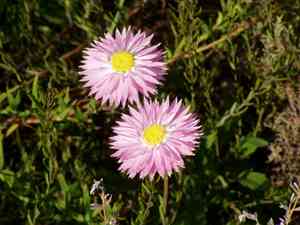
Rhodanthe chlorocephala, a perennial featuring fragile, daisy-like blossoms, thrives with consistent trimming to foster vigorous development and extend its blooming period. Perform a light prune in spring to eliminate spent or withered flowers, and cut back in early autumn to sculpt the plant and boost its well-being. The most effective pruning occurs after flowering in each specified season, as this stimulates fresh shoots and primes the plant for subsequent floral displays. Trimming not only improves rhodanthe chlorocephala's aesthetic appeal but also aids in preventing congestion and illness within crowded arrangements.
What Are the Advantages of Trimming Rhodanthe Chlorocephala?
What Are the Advantages of Trimming Rhodanthe Chlorocephala?
Trimming rhodanthe chlorocephala promotes robust development and maintains its form, crucial for its dense, bushy appearance. Consistent cutting aids in fostering strong health and abundant blooms.
When Is the Optimal Time for Trimming Rhodanthe Chlorocephala?
When Is the Optimal Time for Trimming Rhodanthe Chlorocephala?
Trimming rhodanthe chlorocephala during Spring, Summer, or Fall aligns with the plant's active growth periods, enabling it to recover and rejuvenate more effectively post-trimming. Spring trimming stimulates new growth and helps shape the plant as it enters the growing season. Summer trimming is beneficial for removing any dead or overly dense sections, enhancing air circulation and light exposure to encourage healthier flowers. Trimming in Fall is advantageous for removing spent blossoms and preparing rhodanthe chlorocephala for winter, lessening the strain on the plant's resources during its dormant phase.
What Equipment Do I Need to Trim Rhodanthe Chlorocephala?
Bypass Pruners
These are perfect for making clean and precise cuts on the relatively slender stems of rhodanthe chlorocephala. Bypass pruners operate like scissors, with two blades passing each other, minimizing harm to the plant's delicate tissues.
Floral Snips
Floral snips are ideal for clipping flowers or small, tender stems of rhodanthe chlorocephala. They allow for more intricate work and can assist in deadheading or shaping the plant without causing unnecessary damage.
Pruning Shears
For somewhat thicker stems or more extensive trimming tasks, pruning shears provide a good balance of strength and accuracy. They are particularly useful for shaping rhodanthe chlorocephala during its active growth phases.
How to Trim Rhodanthe Chlorocephala
Identify
Locate and pinpoint the withered or deceased leaves on rhodanthe chlorocephala. These typically appear yellowed, brown, or significantly droopy compared to the plant's healthy sections.
Sanitation
Disinfect your trimming tools before and after use on rhodanthe chlorocephala. Utilize a solution of one part bleach to nine parts water to prevent disease transmission.
Prune
Carefully remove the withered leaves by cutting at the base of the leaf stem. Use sharp scissors or pruning shears to make a clean cut without harming the healthy parts of rhodanthe chlorocephala.
Dispose
Properly discard the removed leaves. Do not compost diseased leaves, as they might spread pathogens in your garden.
Monitor
Regularly observe rhodanthe chlorocephala after trimming to ensure no further signs of stress or disease appear on new or remaining leaves. Adjust care as needed to promote healthy growth.
Common Trimming Errors with Rhodanthe Chlorocephala
Excessive trimming
Removing too much foliage from rhodanthe chlorocephala can significantly weaken the plant. This species is particularly vulnerable to stress if trimmed too severely, especially when large portions of healthy growth are removed in a single session.
Imprecise cuts
Making imprecise or jagged cuts can damage rhodanthe chlorocephala's stems, leading to potential disease entry points and poor healing. Clean, sharp cuts are crucial for the plant's health and appearance.
Ignoring dead or diseased material
Failing to regularly remove dead or diseased material can hinder rhodanthe chlorocephala's growth and risk the spread of disease to the rest of the plant. This oversight is common among novice gardeners.
Common Trimming Advice for Rhodanthe Chlorocephala
Sharp tools
Use sharp, clean pruning shears or scissors. Sharp tools ensure quick, clean cuts that heal rapidly, minimizing stress and the risk of disease.
Selective trimming
Focus on selective trimming to shape rhodanthe chlorocephala and to prevent overcrowding. This involves cutting back individual stems instead of pruning large parts of the plant uniformly, promoting better air circulation and light penetration.
Regular maintenance
Regular maintenance is key. Remove any dead or fading flowers and leaves to encourage new growth and potentially extend flowering periods. This also keeps the plant looking tidy and healthy.



