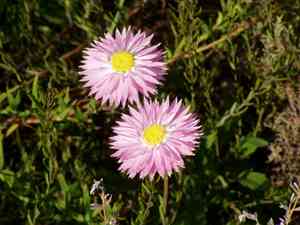
Rhodanthe chlorocephala (Rhodanthe chlorocephala)
Also known as: Paper Daisy, Everlasting Daisy
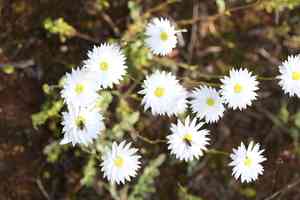
Rhodanthe chlorocephala stands out with its striking, papery flowers that come in shades of white, pink, or yellow, creating a sunburst effect atop its thin, green stems. These daisy-like blooms, often featuring a contrasting central disc, are well-adapted to dry environments. The plant's narrow, silvery-grey leaves add a delicate texture, complementing its vibrant blossoms. This combination of features allows Rhodanthe chlorocephala to flourish under harsh, sun-loving conditions.
In This Article
Attributes of Rhodanthe chlorocephala
Lifespan
Annual
Plant Type
Herb
Plant Height
60 cm
Spread
20 cm
Leaf Color
Gray-green
Flower Size
1.5 - 3 centimeters
Flower Color
White, pink, yellow
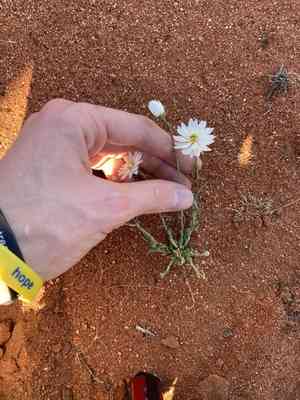
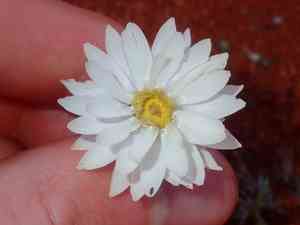
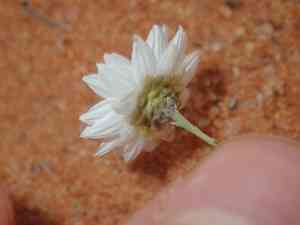
Images of Rhodanthe chlorocephala
Quickly Identify Rhodanthe chlorocephala
1
To identify Rhodanthe chlorocephala, look for its distinctive papery flowers with yellow or white centers. The leaves are narrow, slightly hairy, and gray-green in color. The stems are slender and can be slightly woody at the base.
Scientific Classification of Rhodanthe chlorocephala
Phylum
Vascular plants
Class
Dicotyledons
Order
Asterales
Family
Daisy
Genus
Sunray
Species
Rhodanthe chlorocephala
Planting and Growing of Rhodanthe chlorocephala
Care Difficulty
Easy
Watering Schedule
Every 2 days
Sunlight Requirements
Full sun
Sunshine Duration
6-10 hours
Ideal Temperature
65-75℉
Soil Type
Potting Mix, Peat Mix
Soil pH
6.5-7.5
Fertilizer Type
Balanced
Pruning Season
Spring, Summer
Pruning Area
Branches, Leaves
Pruning Frequency
2 times a year
Repotting Season
Spring
Pot Type
Plastic, Ceramic
 How to Water Rhodanthe chlorocephala?
Rhodanthe chlorocephala prefers a moderate watering regime. Ensure the soil is damp but not waterlogged. A general guideline is to water until approximately 200 ml has been absorbed by the soil, allowing excess to drain to prevent stagnation.
What are the symptoms of an underwatered Rhodanthe chlorocephala?
›
What should I do if my Rhodanthe chlorocephala is not getting enough water?
›
What are the symptoms of an overwatered Rhodanthe chlorocephala?
›
How to save an overwatered Rhodanthe chlorocephala?
›
 What Are the Sunlight Requirements for Rhodanthe chlorocephala?
Rhodanthe chlorocephala thrives under full sun conditions, requiring 8 to 10 hours of sunlight per day. Ideal light conditions promote vibrant blooms and healthy plant growth, ensuring longevity and visual appeal.
What is the best location for Rhodanthe chlorocephala?
›
Can this plant tolerate any shade?
›
How can I maximize sunlight exposure for this plant indoors?
›
 What Is the Ideal Temperature Range for Rhodanthe chlorocephala?
The ideal temperature range for cultivating Rhodanthe chlorocephala is between 65°F to 75°F. This range ensures optimal growth and health by providing a balanced environment that supports plant metabolic processes effectively. Within this range, the plant can efficiently photosynthesize and maintain robust growth.
 What Soil is Best for Rhodanthe chlorocephala?
Rhodanthe chlorocephala thrives best in well-drained soil to prevent root rot, which often occurs in soggy conditions. A soil that drains well allows the roots to breathe and access nutrients effectively, significantly enhancing the plant's overall health and vibrant growth. This plant benefits from a nutrient-rich soil mix that encourages strong and healthy growth. Incorporating organic matter such as compost or well-rotted manure can provide essential nutrients and improve soil structure, which is vital for sustaining the plant's lovely blooms. Rhodanthe chlorocephala prefers soil with moderate fertility. Excessive fertility can lead to overly vigorous growth with fewer blooms. A balanced fertilizer application will provide the necessary nutrients without overwhelming the plant, ensuring a beautiful flowering display.
 How to Fertilize Rhodanthe chlorocephala?
For Rhodanthe chlorocephala, it's important to adopt a balanced approach when fertilizing. Use a dilute liquid fertilizer at half-strength to ensure the plant receives essential nutrients without the risk of over-fertilization. When applying slow-release granules, remember to follow the package instructions and use sparingly.
 How to Prune Rhodanthe chlorocephala?
First, inspect your plant and remove any dead or damaged stems. This not only improves the plant's appearance but also prevents disease spread, allowing healthier parts of the plant to thrive. Aim to create a balanced and aesthetically pleasing shape. Trim leggy or awkward branches to encourage fuller growth and ensure even light distribution across the plant canopy. To stimulate bushier growth, make cuts just above a leaf node. This method ensures the plant directs energy toward developing new shoots, enhancing overall plant density.
More About Pruning Techniques→
 How to Propagate Rhodanthe chlorocephala plant?
1
Fill seed trays with a sterile seed starting mix and water it lightly so that it's evenly moist but not soaked. Ensure that the mix is well aerated and free of any large particles.
2
Sow the seeds thinly and evenly across the surface of the prepared seed starting mix. Cover them lightly with a thin layer of the mix or vermiculite to a depth of about 1-2 mm.
3
Place the trays in a warm location with plenty of light, ideally where the temperature is consistently between 18-22°C (64-72°F). Covering with a clear plastic lid can help maintain humidity.
 How to Repot Rhodanthe chlorocephala plant?
1
Rhodanthe chlorocephala should be repotted when you notice that the roots start to outgrow the current pot or if water drainage seems obstructed. Spring and early summer are ideal seasons as the plant is actively growing. This timing ensures it can quickly establish itself in the fresh soil and pot.
2
Select a pot that is one size larger than its current home, preferably made of a breathable material like terracotta. Adequate drainage holes are crucial to prevent waterlogging, which can damage the roots. A well-chosen pot will facilitate healthy root development and encourage robust growth.
3
Use a well-drained sandy soil mix, enriching it slightly with organic compost. This type of soil emulates its natural habitat, ensuring quick drainage and reducing the risk of root rot. The right soil will promote robust flowering and vigorous plant health.
Learn More About Rhodanthe chlorocephala Diseases
Anthracnose
Bacterial Leaf Spot
Bacterial Soft Rot
Bacterial Wilt
Black Spot
Chemical Injury
Crown Gall
Cyst Nematode
Damping-off
Downy Mildew
Drought Stress
Fusarium Wilt
Gray Mold
Leaf Curl
Leaf Spot
Mosaic
Nutrient Deficiency
Nutrient Toxicity
Powdery Mildew
Root Rot
Root-knot Nematode
Rusts
Sooty Mold
Spider Mites
Temperature Stress
Thrips Damage
White Mold



