How to Propagate Rhodanthe chlorocephala?
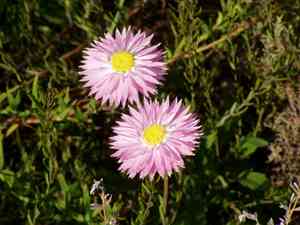
Rhodanthe chlorocephala flourishes when reproduced by seeding. To achieve the best outcomes, disperse the seeds in adequately drained earth that remains damp yet not saturated. A thin layer of substrate can assist in preserving the required moisture. Consistent spraying will facilitate successful seed sprouting. Ensure the young plants receive sufficient illumination, but shield them from intense solar exposure to avoid burning. Slowly introduce them to external environments prior to transplanting.
Optimal Time for Rhodanthe Chlorocephala Propagation
Propagation Type
Sowing
Propagation Season
Spring
Tools for Rhodanthe Chlorocephala Propagation
Seed trays
Seed trays are vital for starting rhodanthe chlorocephala from seeds. These containers facilitate even seed distribution and maintain consistent soil moisture, crucial for rhodanthe chlorocephala germination. Their shallow depth and compartments aid in managing tiny rhodanthe chlorocephala seeds, providing ideal space and growth conditions during the seedling phase.
Sterilized potting mix
A sterilized potting mix is essential for sowing rhodanthe chlorocephala seeds, being free of pathogens and weed seeds. This minimizes disease risk and competition from other plants. The mix should be light and well-draining to support delicate rhodanthe chlorocephala seedling roots, supplying necessary nutrients and aeration for healthy growth.
Fine mist sprayer
A fine mist sprayer is useful for gently watering rhodanthe chlorocephala seeds. Fine mist keeps the soil moist without causing erosion or displacing small seeds. This tool ensures fragile seedlings are not harmed during watering, aiding their gradual development into stronger plants.
Heat mat
A heat mat is a specialized tool beneficial for propagating rhodanthe chlorocephala as it maintains a consistent soil temperature, which is crucial for seed germination. Rhodanthe chlorocephala seeds require a warm environment to germinate effectively, and a heat mat can provide this controlled warmth, especially in cooler climates or during colder months.
Grow lights
Grow lights are necessary when natural sunlight is insufficient, particularly indoors. They provide the specific light spectra needed for rhodanthe chlorocephala to photosynthesize and grow healthily. Proper lighting is vital for preventing etiolation and fostering robust, compact plant growth once rhodanthe chlorocephala seedlings emerge.
How to Propagate Rhodanthe Chlorocephala?
Propagation Type
Easy
Caring for Newly Propagated Rhodanthe Chlorocephala
How to Care for Your Newly Propagated Rhodanthe Chlorocephala?
After successful germination, continue to provide rhodanthe chlorocephala with indirect sunlight and water regularly to keep the soil moist but not waterlogged. Gradually acclimate young plants to outdoor conditions if they will be transplanted into a garden. Fertilize with a balanced, diluted liquid feed every 4-6 weeks during the growing season. Avoid overwatering to prevent root rot.
Common Mistakes to Avoid When Propagating Rhodanthe Chlorocephala
Overwatering
Excessive watering of rhodanthe chlorocephala can lead to root rot, as its roots are sensitive to overly wet conditions. This can hinder root development and potentially kill the plant.
Deep planting
Planting rhodanthe chlorocephala too deeply can bury its delicate stem and foliage, restricting essential air circulation and potentially causing fungal issues.
Using dense soil
Employing overly dense or poorly draining soil mixtures can impede the root growth of rhodanthe chlorocephala, limiting the plant's ability to absorb water and nutrients effectively.
Tips For Propagating Rhodanthe Chlorocephala
Well-draining soil
Utilize a light, well-draining soil mixture to support the delicate root system of rhodanthe chlorocephala, enhancing aeration and preventing water retention that could lead to root diseases.
Soft stem cuttings
Opt for soft stem cuttings during propagation, as they tend to root more successfully and quickly for rhodanthe chlorocephala. Ensure cuttings are healthy and taken from a disease-free parent plant.
Bottom heat
Applying gentle bottom heat can encourage the root development of rhodanthe chlorocephala especially in cooler climates, promoting stronger root establishment and overall growth.



