How to Transplant Asiatic mangrove?
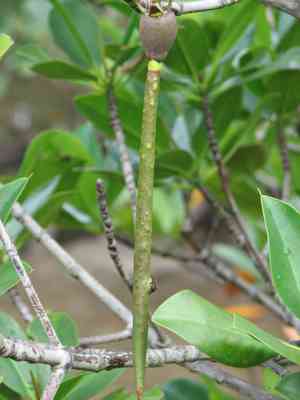
For asiatic mangrove, the optimal time for relocation extends from the cool beginning of winter through the mild emergence of spring, leveraging their inactive phase for robust growth. Perfect new locations replicate their native saline aquatic environments, offering abundant sunlight. Careful management of the root system will guarantee effective adaptation.
What Preparations are Needed Before Transplanting Asiatic Mangrove?
What is the Ideal Time for Transplanting Asiatic Mangrove?
The best period to move asiatic mangrove is from the start of cooler weather until the invigorating warmth of early spring. Relocating asiatic mangrove during this timeframe allows roots to settle in mild soil, utilizing gentle conditions for recovery and growth. By transplanting within this window, you provide asiatic mangrove the optimal chance for steady, robust development before the rigors of summer heat or winter cold.
How Much Space Should You Leave Between Asiatic Mangrove Plants?
Let's give your asiatic mangrove ample room to thrive! When relocating, aim for a comfortable spacing of approximately 10-16 feet (3-5 meters) between each tree. This distance will enable your asiatic mangrove to extend its roots and branches without constraint.
What is the Best Soil Mix for Asiatic Mangrove Transplanting?
For your asiatic mangrove, a successful start begins with the correct foundation! Select soil that is loamy, rich, and drains effectively. Prior to planting, enrich the soil with a balanced, slow-release fertilizer to give your asiatic mangrove a beneficial boost.
Where Should You Relocate Your Asiatic Mangrove?
Sunlight is precisely what your asiatic mangrove requires to flourish! Choose a location that receives full sun exposure to ensure your asiatic mangrove gets at least 6-8 hours of daylight daily. This sunny spot will help your asiatic mangrove develop strong and healthy.
What Equipments Should You Prepare Before Transplantation Asiatic Mangrove?
Gardening Gloves
To safeguard your hands while handling soil and the plant.
Watering Can
For moistening the plant before and after relocation.
Shovel or Spade
To excavate around and beneath the plant for removal, and to dig the new planting hole.
Wheelbarrow or Tarp
To move the asiatic mangrove to its new spot without causing harm.
Root Pruning Shears
To trim any damaged or overly long roots.
Measuring Tape
To ensure correct spacing between multiple transplanted specimens.
Stakes and Tie Material
To support the asiatic mangrove if it is tall or if the area is windy.
How Do You Remove Asiatic Mangrove from the Soil?
How Do You Remove Asiatic Mangrove from the Soil?
From Ground: Hydrate the asiatic mangrove's base for easy extraction. Use a shovel or spade to create a wide perimeter around the root ball. Gently loosen the earth and lift the plant, keeping the root ball intact.From Pot: Water the soil in the container before starting. Tilt the pot sideways and lightly tap to encourage the root ball to slide out. Handle the asiatic mangrove by its root ball, not its stems or leaves.From Seedling Tray: Water the young plants. Use a spoon or dibber to carefully lift each seedling by its root ball. Handle the delicate seedlings with care to prevent damage.
Step-by-Step Guide for Transplanting Asiatic Mangrove
Transporting the asiatic mangrove
Handle the asiatic mangrove with care when moving it to the new location. If the plant is large, place it on a tarp or wheelbarrow to prevent stress on the root ball.
Hole Preparation
Dig a hole twice as wide and the same depth as the root ball. This facilitates easier root expansion in its new setting.
Root Inspection
Examine the root ball, trimming any broken or excessively long roots. This encourages healthy root development in the new environment.
Placement
Position the asiatic mangrove in the hole, ensuring it's at the same soil depth as it was originally. The top of the root ball should be level with the ground surface.
Filling the Hole
Carefully backfill around the asiatic mangrove's root ball with soil, gently pressing to eliminate air pockets without compacting the soil too much.
Watering
Thoroughly water the asiatic mangrove at its new site to settle the soil around the roots. This also aids in reducing transplant shock.
Staking
If needed, insert stakes into the ground and gently secure the asiatic mangrove to them for support. Avoid tying too tightly, as this can harm the plant.
How Do You Care For Asiatic Mangrove After Transplanting?
Root Establishment
Ensure the roots remain undisturbed during their settling phase. Avoid stepping on the soil near the plant's base.
Mulching
Apply a layer of mulch around the asiatic mangrove to retain moisture, stabilize soil temperature, and lessen weed competition.
Pruning
Trim any damaged or dead branches to direct the asiatic mangrove's energy towards developing strong roots and new growth.
Monitoring
Observe the asiatic mangrove for indications of transplant shock, which might include wilting or discolored leaves. Take corrective measures if necessary.
Troubleshooting Common Issues with Asiatic Mangrove Transplantation.
What's the best season to transplant asiatic mangrove?
The ideal transplant period for asiatic mangrove is early winter through mid-spring, ensuring root establishment before summer.
How far apart should I plant asiatic mangrove saplings?
Space asiatic mangrove saplings 10-16.5 feet (3-5 meters) apart; this allows for growth and proper air circulation.
Should I water asiatic mangrove immediately after transplanting?
Yes, water asiatic mangrove generously right after relocation to help minimize transplant shock and promote root development.
What's the maximum depth to plant asiatic mangrove's root ball?
The root ball should be positioned so its top is flush with the soil surface to prevent root rot.
How do I prepare the soil for transplanting asiatic mangrove?
Ensure the soil is well-draining with a sand mixture for asiatic mangrove, mimicking its natural mangrove habitat.
Can I use fertilizer when transplanting asiatic mangrove?
Initially, avoid fertilizers that might harm new roots. After establishment, apply a balanced, slow-release fertilizer sparingly.
What signs of stress should I look for after transplanting asiatic mangrove?
Yellowing leaves, drooping branches, or leaf drop indicate stress; ensure adequate watering and protection from extreme temperatures.
How should I handle asiatic mangrove's roots during transplanting?
Handle asiatic mangrove's roots gently to prevent damage, spread them out in the planting hole, and avoid bending them.
What's the ideal transplanting weather for asiatic mangrove?
A cloudy day with mild temperatures around 70°F (21°C) is perfect to reduce evaporation and transplant stress.
Can I prune asiatic mangrove before transplanting?
Minimally prune damaged or excessively long roots and branches to encourage healthy growth and ease the transplanting process.



