The Asiatic mangrove Plant Advantage: Maximizing Home and Office Appeal and Wellness
1
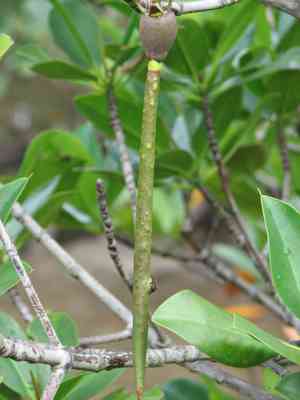
The Asiatic mangrove aids in preventing coastal land degradation by securing coastlines with its extensive root networks.
2
The Asiatic mangrove fosters diverse ecosystems by offering a home to numerous aquatic and land-based organisms.
3
The Asiatic mangrove contributes significantly to carbon capture, assisting in lessening the impacts of climate shifts.
How Does Asiatic mangrove Help Prevent Coastal Erosion?
Stabilizing Shorelines
The dense and complex root structures of Asiatic mangrove are vital for securing coastlines. These roots firmly hold the soil, preventing its removal by ocean waves and tidal movements. Consequently, shorelines with Asiatic mangrove are more resilient to erosion, which is crucial for safeguarding coastal populations and their infrastructure.
Protection Against Storm Surges
During severe weather, Asiatic mangrove acts as a natural defense against storm surges. The tightly interwoven roots and thick vegetation can absorb and disperse the force from waves and high water levels, reducing potential harm to inland regions. This natural protective mechanism is invaluable for preserving human lives, properties, and ecosystems.
Why Is Asiatic mangrove Vital for Biodiversity?
Habitat for Marine Species
Asiatic mangrove creates a diverse environment that is essential for various marine organisms. The submerged roots offer refuge and spawning areas for fish, mollusks, and crustaceans. These zones serve as nurseries where young marine life can find sustenance and protection from predators, promoting biodiversity and supporting local fishing industries.
Support for Terrestrial Wildlife
Beyond the aquatic environment, Asiatic mangrove also sustains land-dwelling wildlife. Birds, mammals, and insects depend on mangrove forests for nesting and foraging. This biodiversity hotspot is crucial for maintaining ecological balance, ensuring different species can coexist and flourish, which, in turn, supports ecosystem services like pollination and nutrient cycling.
How Does Asiatic mangrove Contribute to Carbon Sequestration?
Carbon Storage in Biomass
Asiatic mangrove plays a critical role in mitigating climate change through carbon sequestration. The trees absorb atmospheric carbon dioxide and store it within their biomassâtrunks, roots, and leaves. This process helps lower the overall concentration of greenhouse gases in the atmosphere, contributing to global efforts against climate change.
Soil Carbon Storage
In addition to storing carbon in its biomass, Asiatic mangrove also sequesters carbon in the soil. The fallen leaves, branches, and other organic matter decompose slowly in the oxygen-deprived conditions of mangrove soils, trapping carbon for extended periods. This dual mechanism makes Asiatic mangrove a highly effective natural solution for carbon sequestration, enhancing its environmental value.
What Are the Economic Benefits of Asiatic mangrove?
Supporting Fisheries
Asiatic mangrove supports local fisheries by providing crucial breeding and feeding grounds for many commercially important fish species. These nurseries ensure a consistent supply of fish, which is vital for the livelihoods of coastal communities. The health of the fisheries is directly linked to the presence of robust Asiatic mangrove systems, highlighting their economic significance.
Tourism and Recreation
Mangrove ecosystems, including those formed by Asiatic mangrove, are appealing destinations for ecotourism. Activities such as bird watching, kayaking, and wildlife photography attract visitors, generating income for local economies. Educating the public about the importance of these ecosystems through tourism also fosters conservation efforts, creating a sustainable cycle of economic and environmental benefits.
How Can We Promote the Conservation of Asiatic mangrove?
Community Engagement
Promoting the conservation of Asiatic mangrove involves engaging local communities in restoration and protection initiatives. Community-led planting programs, education, and awareness campaigns can empower residents to take active roles in preserving their natural environment. Involving the community ensures that conservation efforts are sustainable and deeply rooted in local needs and culture.
Policy and Legislation
Effective conservation of Asiatic mangrove also requires supportive policy and legislation. Governments and environmental organizations need to collaborate to establish protected areas, enforce anti-logging laws, and promote sustainable land-use practices. These measures create a legal framework that safeguards mangrove ecosystems from exploitation and degradation, ensuring their benefits for future generations.



