How to Prune Asiatic mangrove?
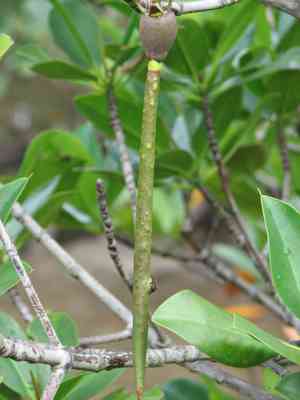
This halophyte, characterized by its stilt-like roots, flourishes in littoral environments. For asiatic mangrove, trimming is kept to a minimum, primarily involving the elimination of deceased or compromised branches to preserve the plant's well-being and facilitate air circulation. The most suitable period for pruning is during the winter, when the plant is in a state of dormancy. Undertaking pruning at this time reduces strain on the plant and bypasses the rainy season, during which exposed cuts might encourage pathogens. This selective removal improves the framework and resilience of asiatic mangrove's unique prop roots, which are crucial for coastal reinforcement.
What Are the Benefits of Pruning Asiatic Mangrove?
What Are the Benefits of Pruning Asiatic Mangrove?
Trimming asiatic mangrove promotes robust development and helps maintain its desired form, crucial for preserving ecosystem health and ensuring optimal growth within spatial limits.
What Is the Best Time for Pruning Asiatic Mangrove?
What Is the Best Time for Pruning Asiatic Mangrove?
Trimming asiatic mangrove during winter aligns with the plant's seasonal inactivity. As asiatic mangrove's growth slows in colder temperatures, pruning at this time minimizes plant stress, allowing for healthier regrowth in the subsequent growing season. Additionally, the absence of leaves improves visibility, simplifying the identification and removal of diseased or damaged branches. It also prevents the likelihood of disease spread that can occur in warmer, more humid conditions, and avoids disrupting its natural flowering or fruiting cycles.
What Tools Do I Need to Prune Asiatic Mangrove?
Bypass Pruners
Perfect for cutting slender branches and ensures clean cuts that foster healthy regrowth for asiatic mangrove.
Lopping Shears
Suitable for removing thicker branches, typically up to two inches in diameter, common in asiatic mangrove's growth.
Pruning Saw
Essential for larger limbs that bypass pruners and lopping shears cannot manage.
Pole Pruner
Offers reach for higher branches without needing a ladder, which can be especially useful given asiatic mangrove's potential height.
Hand Shears
Useful for shaping and manicuring asiatic mangrove by trimming smaller twigs and foliage.
How to Prune Asiatic Mangrove
Sanitize
Before trimming asiatic mangrove, sterilize all pruning tools to prevent disease transmission. Use a bleach or alcohol solution to thoroughly clean blades.
Identify
Examine asiatic mangrove for any dead or diseased branches. Look for branches that are discolored, have unusual growths, or appear to be wilting, as these indicate they may need removal.
Cut dead branches
Using sharp, clean pruning shears, carefully cut away dead branches at their point of origin, making clean cuts close to the trunk or main branch, without harming healthy tissue.
Cut diseased branches
If a branch is diseased, make the cut well below the affected part. Disinfect pruning tools immediately after each cut to prevent pathogen spread.
Dispose
Properly discard all removed material by burning or bagging it, to prevent the possibility of disease spreading to healthy parts of asiatic mangrove or other nearby plants.
Common Pruning Mistakes with Asiatic Mangrove
Over-pruning
Removing too much foliage can stress asiatic mangrove, reducing its vigor and ability to photosynthesize effectively.
Improper cut location
Cutting either too close or too far from the node can lead to poor healing and potential disease entry points.
Using blunt instruments
Pruning with dull tools can cause jagged cuts that are more susceptible to infections.
Neglecting wound treatment
Failing to apply a suitable wound sealant to larger cuts leaves asiatic mangrove open to pests and diseases.
Pruning heavily
Asiatic mangrove does not tolerate heavy pruning, which can lead to stunted growth or death.
Common Pruning Tips for Asiatic Mangrove
Sharp tools
Use sharp and sterilized pruning tools to make clean cuts that asiatic mangrove can heal from more effectively.
Clean cuts
Ensure cuts are clean and made at an angle to prevent water accumulation, which could cause rot.
Node pruning
Cut just above a leaf node to encourage asiatic mangrove to produce new growth from that point.
Minimal pruning
Practice minimal and selective pruning, targeting only dead branches, to maintain the health of asiatic mangrove.
Protection
After pruning, protect the remaining plant by ensuring it has sufficient water and is not stressed by other environmental factors.



