How to Transplant Coral cactus?
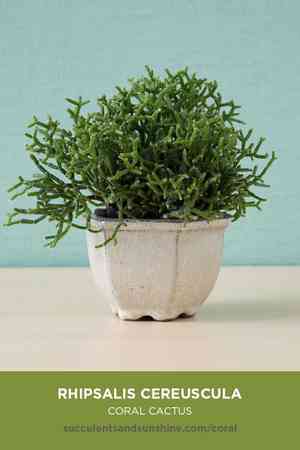
The ideal period to relocate coral cactus is during temperate conditions, generally spanning from the warmth of late spring through the heart of summer, or from the subtle chill of mid-autumn to the onset of early winter. Select a location where coral cactus will receive ample, diffused illumination, and during the transfer process, exercise caution to safeguard its fragile form.
What Preparations are Needed Before Transplanting Coral Cactus?
What is the Ideal Time for Transplanting Coral Cactus?
For coral cactus, the prime period for relocation spans from the warmth of late spring through the vibrancy of mid-summer, or as autumn colors emerge into the cool onset of winter. Moving coral cactus during these seasons capitalizes on moderate temperatures, minimizing plant stress and fostering root establishment. Transplanting at these times offers coral cactus the opportunity for a smooth transition and a strong start in its new environment, aligning with nature's own cycles of growth or dormancy.
How Much Space Should You Leave Between Coral Cactus Plants?
When getting ready to move your coral cactus, aim to position them roughly 12-18 inches (30-45 cm) apart. This provides each coral cactus ample room for root expansion without crowding, promoting healthier, more vigorous growth.
What is the Best Soil Mix for Coral Cactus Transplanting?
Prior to planting your coral cactus, combine well-draining soil with a cactus or succulent blend to create an inviting bed. Incorporate a slow-release fertilizer to give your coral cactus a nourishing beginning. Remember, coral cactus thrives in soil that mimics its natural, gritty habitat!
Where Should You Relocate Your Coral Cactus?
Locate a bright spot for your coral cactus that receives ample indirect light. An east or north-facing windowsill is perfect for indoor cultivation. Outdoors, select an area that gets morning sun and afternoon shade to shield coral cactus from intense direct sunlight.
What Equipments Should You Prepare Before Transplantation Coral Cactus?
Gardening Gloves
To safeguard your hands while handling soil and the plant.
Shovel or Garden Trowel
For excavating the hole to transplant the coral cactus.
Watering Can or Hose
To hydrate the coral cactus before removal and after replanting.
Pruning Shears
To trim any dead or damaged roots or stems prior to transplanting.
Wheelbarrow or Plant Tray
To move the coral cactus from its original spot to the new site.
Spirit Level
To ensure the ground is even during transplantation.
Root Stimulator
To encourage root development after transplanting, if desired.
How Do You Remove Coral Cactus from the Soil?
How Do You Remove Coral Cactus from the Soil?
From Ground: First, moisten the coral cactus to dampen the soil and lessen plant stress. Dig a generous trench around the plant using a shovel or garden trowel, being careful not to harm the root ball. Gently slide the tool beneath the root ball to lift the plant from its initial location.From Pot: Water the coral cactus to make roots and soil more pliable. Tilt the container sideways and gently tap the base to loosen the root ball. Slowly slide the plant out while supporting the main stem or the base of the root ball.From Seedling Tray: Water the coral cactus to moisten the roots. Use a garden trowel or a similar thin tool to carefully pry the plantlet, along with its surrounding soil, from the tray, handling the plant by its leaves rather than the delicate stem.
Step-by-Step Guide for Transplanting Coral Cactus
Preparation
Gather all necessary tools, equipment, and supports for transplanting the coral cactus. Don your gardening gloves to protect your hands during the process.
Plant Removal
Extract the coral cactus from its initial position by following the steps outlined above, adapted to whether it's from the ground, a pot, or a seedling tray.
New Location
Transport the coral cactus to its new planting site using a wheelbarrow or plant tray to prevent damage to the plant.
Prepare New Site
Dig a hole that is twice as wide and slightly deeper than the root ball of the coral cactus using your shovel or garden trowel.
Planting
Position the coral cactus in the center of the hole, ensuring it sits at the same depth as it did in its original spot. Use a spirit level to confirm the ground is even.
Finishing Touches
Backfill the hole with soil, gently firming it around the roots to eliminate air pockets. Water the coral cactus thoroughly to settle the soil and hydrate the roots. If using, apply root stimulator according to product instructions.
How Do You Care For Coral Cactus After Transplanting?
Monitoring
Regularly inspect the coral cactus to observe its adjustment to the new location and ensure its stability and growth.
Watering
Maintain consistent moisture around the coral cactus without overwatering. Water deeply to encourage robust root development.
Pruning
Remove any dead or damaged growth to direct the coral cactus's energy towards establishing new roots and foliage.
Support
Provide any necessary support for the coral cactus if it is a climbing variety or requires staking.
Troubleshooting Common Issues with Coral Cactus Transplantation.
When's the best time to transplant my coral cactus?
Ideal times are late spring to early summer or mid-autumn to early winter, avoiding temperature extremes.
How far apart should I space coral cactus when transplanting?
Space coral cactus approximately 12 to 18 inches (30 to 45 cm) apart to allow sufficient room for growth.
Why are my coral cactus's roots turning brown post-transplant?
Browning roots can indicate overwatering or inadequate drainage. Ensure the new pot has drainage holes.
Should the soil be dry or moist when transplanting coral cactus?
The soil should be slightly moist to protect the roots but not waterlogged to prevent root rot.
What pot size is ideal for transplanting coral cactus?
Choose a pot that is slightly larger than the current one, providing the roots with 2 to 4 inches (5 to 10 cm) of space.
Can I transplant coral cactus on a hot, sunny day?
Avoid transplanting on excessively hot or sunny days. Overcast, cooler days are more suitable for relocation.
How deep should I plant coral cactus when transplanting?
Plant coral cactus at the same depth it was in its previous container to prevent stem rot.
What kind of soil is best for transplanting coral cactus?
Utilize a well-draining, cactus-specific or succulent potting mix for optimal development.
How often should I water coral cactus after transplanting?
Water thoroughly after transplanting, then wait until the soil is dry before re-watering to help roots establish.
How do I ensure coral cactus doesn't get transplant shock?
Gradually acclimate coral cactus to its new environment and limit water and fertilizer until new growth appears.



