How to Prune Coral cactus?
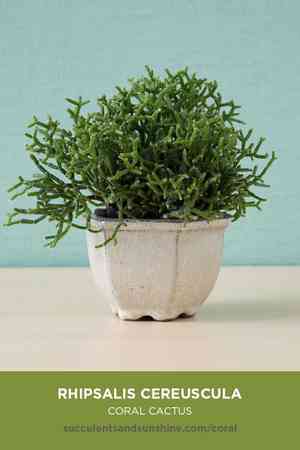
Distinguished by its distinctive, ramifying development akin to marine coral, coral cactus flourishes with regular trimming. The most effective time for pruning is in late winter or early spring, which stimulates robust new development. Remove any deceased or excessively large sections with sanitized, keen implements, concentrating on preserving its inherent form and averting excessive density. Trimming not only boosts coral cactus's decorative allure but also wards off ailments by improving air movement. Meticulous pruning fosters a denser, more lively plant.
What Are the Benefits of Pruning Coral Cactus?
What Are the Benefits of Pruning Coral Cactus?
Trimming coral cactus promotes robust development and maintains its desired form. Regular cuts prevent excessive growth, ensuring coral cactus remains compact and appealing, while fostering a healthier, stronger structure to enhance its unique beauty.
What Is the Best Time for Pruning Coral Cactus?
What Is the Best Time for Pruning Coral Cactus?
Pruning coral cactus in late winter or early spring coincides with the period just before the active growth season begins. This timing allows the plant to direct its energy towards new shoots and foliage. Trimming in late winter helps remove any dead or damaged growth from the dormant winter phase, thereby preventing disease and pests, and encouraging healthy new growth. Early spring pruning is also beneficial because it doesn't interfere with coral cactus's flowering cycle, as this species typically flowers in late spring or early summer. Moreover, making cuts at this time minimizes stress on coral cactus, as the plant is just preparing to enter a phase of rapid growth and can recover more quickly from pruning.
What Tools Do I Need to Prune Coral Cactus?
Sharp Bypass Pruners
Excellent for making clean cuts without harming the delicate stems of coral cactus.
Small Gardening Scissors
Suitable for trimming thin, softer stems and precisely removing dead or unwanted foliage.
Tweezers
Useful for untangling and selectively trimming the intricate branches of coral cactus.
Disinfectant (e.g., Rubbing Alcohol or Hydrogen Peroxide)
Ensures tools are sanitized before use to prevent the spread of disease to coral cactus.
Gloves
Protects hands when handling coral cactus, which can have small spines or cause skin irritation.
How to Prune Coral Cactus
Disinfect Tools
Before beginning, sterilize all pruning tools with an alcohol or bleach solution to prevent disease transmission during pruning.
Identify
Carefully inspect coral cactus for diseased or withered leaves. Look for leaves that are discolored, spotted, or shriveled.
Remove Diseased Leaves
Using your sterile tools, carefully trim off diseased leaves by cutting at the base of the leaf stem, taking care not to damage the rest of the plant.
Remove Withered Leaves
Similarly, remove withered leaves, which may appear dry or crispy, to improve coral cactus's appearance and encourage healthy growth.
Clean Up
After pruning, clean up all removed leaves from around coral cactus to prevent the possibility of fungal or bacterial growth from decaying plant material.
Common Pruning Mistakes with Coral Cactus
Overpruning
Removing too much of coral cactus's foliage at once can shock the plant and hinder growth. It's essential to prune only what's necessary to maintain shape and remove damaged or dead segments.
Incorrect Cutting Technique
Using blunt or dirty pruning tools can damage the delicate stems of coral cactus and introduce pathogens. It's crucial to use clean, sharp instruments to make precise cuts.
Neglecting Plant Health
Attempting to prune coral cactus when it is unhealthy can cause further stress and complications. Always assess the overall health of the plant before starting the pruning process.
Improper Disposal
Leaving pruned material on or around coral cactus can attract pests and disease. Dispose of or compost the cuttings away from the plant.
Pruning Too Short
Cutting coral cactus's stems too close to the base can harm the plant. Leave sufficient stem length to promote new growth.
Common Pruning Tips for Coral Cactus
Healthy Stem Identification
When pruning coral cactus, focus on removing only the dead, diseased, or overcrowded stems to improve light exposure and air circulation among the healthy parts.
Appropriate Tool Selection
Use a pair of sharp, sterilized scissors or pruning shears for clean cuts on coral cactus, avoiding damage and disease transmission.
Cut Angle
Make cuts at a slight angle to prevent water from accumulating on the cut surfaces of coral cactus, reducing the risk of rot and fungal diseases.
Post-Pruning Care
After pruning coral cactus, ensure the plant receives adequate care, including the appropriate amount of water, light, and nutrients, to recover and thrive.
Gradual Pruning Approach
Prune coral cactus gradually over time rather than all at once, especially for extensive pruning. This helps the plant adjust and prevents undue stress.



