How to Propagate Coral cactus?
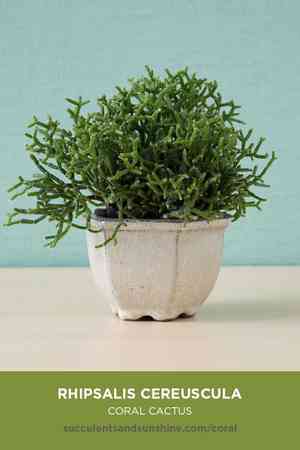
The Coral cactus, an epiphytic tropical succulent, is frequently multiplied via cuttings. For successful propagation, select a robust section and sever it with sanitized implements. Permit the severed piece to harden for several days prior to embedding it in a potting blend that drains efficiently. Maintain the soil's slight dampness and offer ample, diffused illumination to foster root development. Gentle manipulation is crucial to avoid harming the fragile stalks.
When Is the Optimal Time to Propagate Coral Cactus?
Propagation Method
Seeding
Propagation Period
Spring
What Equipment Is Used for Coral Cactus Propagation?
Sharp pruning shears
These are vital for making clean cuts on coral cactus stems during propagation. Sharp blades ensure a precise cut, aiding healing and reducing infection risk for the delicate coral cactus tissues.
Sterilizing agent (e.g., isopropyl alcohol or bleach solution)
This is utilized to sanitize pruning shears before and after cutting coral cactus. Proper sterilization prevents disease spread between plants, protecting coral cactus health during the sensitive propagation stage.
Rooting hormone powder
This promotes root formation in the cut coral cactus stem. By boosting root growth, the hormone ensures new coral cactus plants establish quickly and strongly, increasing propagation success.
High-quality potting mix
A well-draining, light, and nutrient-balanced soil is crucial for sowing coral cactus cuttings. It supports healthy root development and aeration, important for preventing root rot and moisture issues in young plants.
Small pots or trays
These containers are used for planting coral cactus cuttings. They should offer adequate drainage and be appropriately sized to support initial root growth without excess space or resources.
Plastic wrap or a propagation dome
These items help maintain a humid environment for coral cactus cuttings, especially critical during early root development. Consistent moisture prevents cuttings from drying out before rooting.
How to Propagate Coral Cactus?
Propagation Difficulty
Simple
How to Care for Your Newly Propagated Coral Cactus?
How to Care for Your Newly Propagated Coral Cactus?
Post-propagation, keep coral cactus in a spot with bright, indirect light. Water when the top inch of soil feels dry, ensuring good drainage to prevent root rot. Mist occasionally for humidity, essential for coral cactus health. Avoid feeding until active growth is visible; then, fertilize sparingly with diluted houseplant fertilizer during the growing season.
Common Errors to Avoid When Propagating Coral Cactus
Excessive watering
Watering coral cactus too often during propagation is a common error. This leads to too much moisture around roots and cuttings, increasing root rot and fungal infection risks, potentially stunting growth or killing young plants.
Planting too deep
Inserting coral cactus cuttings too deeply into the soil can hinder new root establishment, as cut ends need air exposure for callus formation before rooting. Deep planting can also cause cuttings to rot.
Using unsuitable soil
Choosing the wrong soil type, especially one that retains too much moisture, can be harmful to coral cactus. Coral cactus needs well-draining soil to thrive, and dense, heavy soils can lead to water retention and root rot.
Advice For Propagating Coral Cactus
Utilize clean tools
Ensure all cutting implements are sterilized before making cuts on coral cactus. This practice prevents disease transmission, which can severely affect the health and growth of cuttings.
Appropriate cutting length
When propagating coral cactus from cuttings, each piece should be approximately 3-5 inches long. This length is ideal for ensuring sufficient plant material to sustain growth while encouraging rapid root development.
Allow cuttings to form callus
After cutting, let the ends of coral cactus cuttings dry and form a callus for a few days before planting. This process helps protect the cuttings from rot when placed in moist soil.



