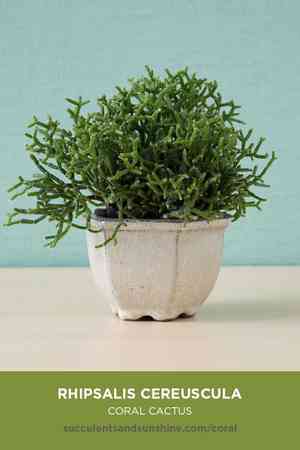
Coral cactus (Rhipsalis cereuscula)
Also known as: Mistletoe Cactus
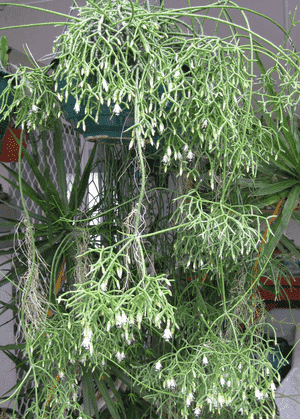
Coral cactus (Rhipsalis cereuscula) is a shrubby, trailing cactus that grows on the surface of other plants in the wild. Coral cactus originates in Uruguay and Brazil. This species is often cultivated for ornamental purposes. In cultivation, the coral cactus should not be left to dry out or exposed to bright sunlight.
In This Article
Attributes of Coral cactus
Lifespan
Perennial
Plant Type
Succulent
Plant Height
60 cm
Spread
60 cm
Leaf Color
Green
Flower Size
2.5 cm
Flower Color
White Green
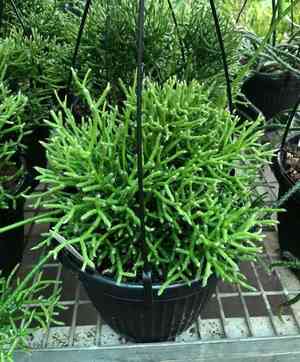
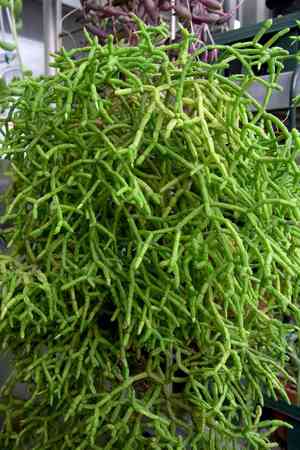
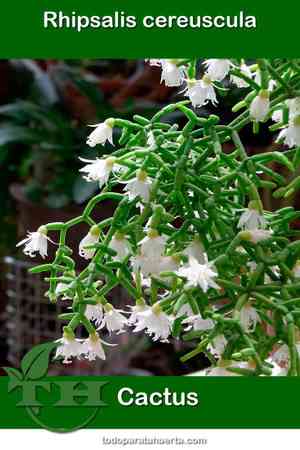
Images of Coral cactus
Quickly Identify Coral cactus
1
To identify Rhipsalis cereuscula, look for its thin, green, cylindrical stems that grow in clusters. The stems can grow both upright and trailing, forming dense mats. This cactus has tiny, delicate white flowers that bloom from the stem joints.
Scientific Classification of Coral cactus
Phylum
Vascular plants
Class
Dicotyledons
Order
Caryophyllales
Family
Cactuses
Genus
Mistletoe cacti
Species
Coral cactus
Planting and Growing of Coral cactus
Care Difficulty
Easy
Watering Schedule
Every 2 days
Sunlight Requirements
Partial sun
Sunshine Duration
4-8 hours
Ideal Temperature
65-80℉
Soil Type
Potting Mix, Peat Mix
Soil pH
6.5-7.5
Fertilizer Type
Balanced
Pruning Season
Spring, Summer
Pruning Area
Branches, Leaves
Pruning Frequency
2 times a year
Repotting Season
Spring
Pot Type
Plastic, Ceramic
 How to Water Coral cactus?
Ensure Rhipsalis cereuscula receives approximately 100 milliliters of water each time, enough to moisten the soil while not making it soggy. Water should thoroughly reach the roots but avoid standing water.
What are the symptoms of an underwatered Coral cactus?
›
What should I do if my Coral cactus is not getting enough water?
›
What are the symptoms of an overwatered Coral cactus?
›
How to save an overwatered Coral cactus?
›
 What Are the Sunlight Requirements for Coral cactus?
Partial sun exposure is ideal, allowing for lush growth and healthier foliage. This range balances exposure to prevent leaf damage while promoting optimal photosynthesis and nutrient absorption.
Optimal Light Source
›
Natural Light Monitoring
›
Artificial Lighting Options
›
 What Is the Ideal Temperature Range for Coral cactus?
The ideal temperature range for Rhipsalis cereuscula is between 65°F and 80°F. This range mirrors the plant's natural habitat in the warm, tropical regions of South America. Maintaining temperatures within this range helps ensure optimal growth, flowering, and overall plant health.
 What Soil is Best for Coral cactus?
Rhipsalis cereuscula thrives in well-drained soil, which helps prevent waterlogging—a common issue leading to root rot in cactus species. The soil's ability to drain efficiently allows the plant to retain the necessary moisture while also providing aeration for the roots. This environment closely mimics its natural habitat conditions. Providing a nutrient-rich substrate is beneficial for the healthy growth of Rhipsalis cereuscula. Nutrients in the soil help enhance the plant's vigor, supporting lush foliage and robust stems. Organic matter incorporated in the soil will gradually release nutrients, offering sustained nourishment. A light, sandy composition is essential for Rhipsalis cereuscula as it allows roots to expand freely and access nutrients effectively. This type of soil also mimics the natural forest floor, contributing to the plant's overall health by providing a supportive yet non-restrictive environment.
 How to Fertilize Coral cactus?
Rhipsalis cereuscula thrives with a light hand on fertilization. Use a balanced 20-20-20 liquid fertilizer, diluted to half strength, during its growing season. Apply gently to avoid fertilizer burn and ensure that the plant receives just enough nutrients to support its moderate growth rate.
 How to Prune Coral cactus?
Begin by examining the plant for any dead, damaged, or diseased segments. These parts are the most critical to remove, as they can hinder the plant’s growth and spread disease. Trim away any overly long or unruly stems to encourage a more compact appearance. Make cuts just above a joint or leaf node to promote new growth from that point. Post-pruning, ensure your Rhipsalis cereuscula is placed back in its regular spot with adequate light and water. Monitor for any signs of stress or disease in the weeks following pruning.
More About Pruning Techniques→
 How to Propagate Coral cactus plant?
1
Choose segments of the plant that are healthy and free of damage. Ideally, select sections from the tip of the plant that are about 3-4 inches long to ensure vigorous growth.
2
After selecting the cuttings, let them dry for a couple of days. This reduces the chance of rot by allowing the cutting wound to callous over — an essential step in increasing survival rates.
3
Once calloused, place the cuttings in a well-draining cactus soil mix. Insert them just deep enough to stand upright. Proper planting depth and soil choice are crucial for root development.
 How to Repot Coral cactus plant?
1
Repotting Rhipsalis cereuscula typically becomes necessary when you notice roots protruding from the pot's drainage holes or when the plant appears to be outgrowing its container. These are clear signs that the plant requires more space for healthy growth. It's best to undertake this task during the active growing seasons of spring and autumn when the plant is more resilient and can adapt better to change.
2
When selecting a new pot for Rhipsalis cereuscula, opt for a container that is only one or two sizes larger than the current pot, ensuring it has ample drainage holes. A slightly larger pot avoids excess soil which can retain water and lead to root rot. This helps maintain moisture balance and encourages healthy root expansion without overwhelming the plant.
3
Choosing a well-draining cactus mix for repotting Rhipsalis cereuscula is crucial as it mimics the plant’s natural epiphytic habitat. The soil should support good aeration and rapid drainage, preventing water retention that can cause root rot. A mix with ingredients like perlite or pumice will enhance soil structure, aiding in robust root development.



