How to Transplant Greater yellow rattle?
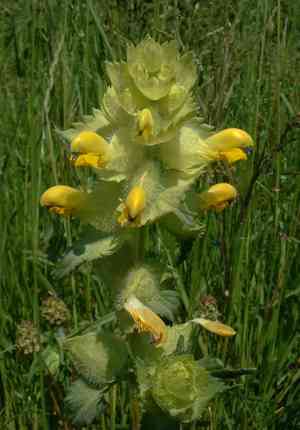
The ideal period for transplanting greater yellow rattle spans from early spring through its peak development. Choose locations offering full sun to partial shade and well-draining earth to ensure their thriving. Should it be necessary, amend the soil with organic material to encourage vigorous development.
Preparations Required Before Moving Greater Yellow Rattle?
Optimal Period for Relocating Greater Yellow Rattle?
The best time to move greater yellow rattle is during spring's gentle awakening, from when the last frost departs until flowers fully bloom. Transplanting greater yellow rattle in this season takes advantage of mild temperatures and increasing daylight, which create ideal conditions for root development and adaptation. By choosing this timing, you enhance the chances for greater yellow rattle to establish itself firmly and participate in the full growing season, setting the stage for a magnificent display.
Recommended Spacing Between Greater Yellow Rattle Plants?
Hello there! For your greater yellow rattle, you'll want to provide each plant ample room to thrive. Position them approximately 6-12 inches (15-30 cm) apart. This ensures your greater yellow rattle has sufficient space to spread its roots and develop beautifully.
Best Soil Blend for Greater Yellow Rattle Transplantation?
To give your greater yellow rattle the finest start, prepare a well-draining soil rich in organic material. Incorporate a balanced, slow-release fertilizer into the planting hole. A mixture with abundant compost will make your greater yellow rattle very content!
Where to Replant Your Greater Yellow Rattle?
Your greater yellow rattle will adore soaking up the sun! Select a location that receives full sun for vigorous growth. This sunny spot will guarantee your greater yellow rattle gets the light it requires to flourish.
Equipment Needed Before Transplanting Greater Yellow Rattle?
Gardening Gloves
To safeguard your hands while handling soil and plants.
Trowel
For digging and moving young plants.
Watering Can
To hydrate the plant before and after relocation.
Measuring Tape
To ensure proper distances between plants.
Garden Fork
To help loosen the soil around the plant at its original spot.
How to Extract Greater Yellow Rattle from the Soil?
How to Extract Greater Yellow Rattle from the Soil?
From Ground: First, water the greater yellow rattle seedling to moisten the soil. Then, use a garden fork to gently loosen the soil surrounding the seedling. Carefully lift the plant, preserving as much of the root ball as possible.From Pot: Gently tap the pot's sides to loosen the soil. Tilt the pot sideways and carefully slide out greater yellow rattle, being cautious not to pull on the stems or leaves.From Seedling Tray: Dampen the soil in the tray to facilitate removal. Use a trowel to gently pop the greater yellow rattle seedling out of its compartment, ensuring the root ball remains intact.
Step-by-Step Guide for Transplanting Greater Yellow Rattle
Prepare the New Location
Choose a well-draining spot in the garden and loosen the soil with a trowel to a depth slightly deeper than the root ball of greater yellow rattle.
Examine the Root Ball
Inspect the root ball carefully for signs of circling roots and gently untangle them if necessary.
Dig a Hole
Use the trowel to dig a hole that is twice as wide and just as deep as the root ball of greater yellow rattle.
Position Your Plant
Carefully place the greater yellow rattle into the hole, setting it at the same depth it was growing previously. Ensure it is upright and centered.
Refill the Hole
Backfill the hole gently with the excavated soil, patting down lightly to remove any large air pockets without compacting the soil.
Water Thoroughly
Water the greater yellow rattle generously immediately after transplanting to settle the soil around the roots and provide hydration.
How to Care for Greater Yellow Rattle After Transplanting?
Consistent Watering
Maintain a regular watering schedule to keep the soil moist until greater yellow rattle is well established.
Mulching
Apply a layer of organic mulch around greater yellow rattle to conserve moisture and suppress weeds, keeping the mulch a few inches away from the stems to prevent rot.
Monitoring
Keep an eye on greater yellow rattle for any indications of transplant shock, such as wilting or discolored leaves, and address them promptly if they occur.
Protection
Shield greater yellow rattle from strong winds and pests by using plant supports or natural deterrents as needed.
Supporting Growth
Encourage robust growth by occasionally checking for and removing any competing weeds.
Addressing Common Issues with Greater Yellow Rattle Transplantation.
When is the best time to transplant greater yellow rattle?
It's ideal to relocate greater yellow rattle in the mild warmth of early to late spring.
What spacing is best for greater yellow rattle when transplanting?
Allow 6-12 inches (15-30 cm) between plants to enable proper growth and air circulation.
Why is my greater yellow rattle wilting after transplanting?
Wilting could result from transplant shock. Ensure soil is moist and protect the plant from intense sunlight for a few days.
How deep should I plant greater yellow rattle seedlings?
Plant them at the same depth they were in the container to prevent stem rot or drying out.
Can I transplant greater yellow rattle on a hot, sunny day?
Transplanting on a cool, cloudy day is best to reduce stress and moisture loss from the leaves.
What type of soil is ideal for greater yellow rattle?
Prefer well-drained, moderately fertile soil for healthy growth of greater yellow rattle. Avoid waterlogged conditions.
Should I fertilize greater yellow rattle after transplanting?
Wait a few weeks post-transplant before applying a balanced fertilizer; let the roots establish first.
How much should I water greater yellow rattle after transplanting?
Water generously right after transplanting, then maintain consistent moisture without overwatering.
Why are my transplanted greater yellow rattle plants not blooming?
Blooming failure might be due to excessive nitrogen. Consider phosphorus-rich fertilizer to encourage blooms.
Should I mulch around my transplanted greater yellow rattle?
Yes, a layer of organic mulch helps retain moisture, regulate soil temperature, and suppress weeds.



