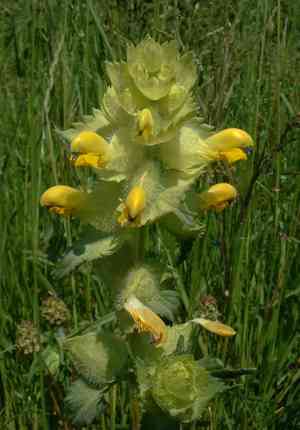
The Hidden Danger in Your Home? Unmasking the Toxicity of the Greater yellow rattle Plant.
1
Greater yellow rattle possesses poisonous glycosides detrimental to people, felines, and canines upon consumption.
2
Human poisoning signs encompass sickness, throwing up, lightheadedness, and possible cardiac issues.
3
Prompt veterinary attention is vital for animals exhibiting poisoning symptoms after ingesting greater yellow rattle.
Is Greater yellow rattle toxic to humans?
Greater yellow rattle exhibits a moderate degree of toxicity to people, mainly through consumption. The whole plant, encompassing leaves, stalks, and blossoms, contains harmful glycosides that can be detrimental if eaten. When ingested, these glycosides can disrupt the body's normal functions, leading to various symptoms. Individuals who have inadvertently consumed parts of greater yellow rattle might experience digestive issues, such as sickness and throwing up, as well as more serious signs like lightheadedness, feebleness, and potential cardiac problems. Given the plant's moderate toxicity, it's crucial to exercise caution and prevent accidental intake, particularly in regions where greater yellow rattle is common.
Is Greater yellow rattle toxic to cat?
Greater yellow rattle presents a moderate danger of toxicity to felines. Cats can suffer poisoning if they accidentally ingest any portion of greater yellow rattle, as the entire plant is poisonous. Ingestion typically occurs by error, which could happen during unintentional contact with the plant indoors or outdoors. Following poisoning, a cat might experience various physical discomforts, including sickness and pain, though specific symptoms are not detailed. The toxic effects stem from the presence of glycosides within greater yellow rattle. It is essential that a cat displaying any indications of poisoning be taken to a veterinary clinic without delay for treatment.
Is Greater yellow rattle toxic to dog?
The plant species greater yellow rattle is regarded as having a moderate level of toxicity for canines. Dogs can be poisoned by this plant if they consume it by accident, which is a concern for pet guardians. The entire plant, including foliage, stems, and blooms, contains toxic components that can pose a risk to dog health. When ingested, the signs of poisoning in dogs may include digestive upset, frailty, and cardiac issues due to the presence of glycosides. It is vital for dog owners to supervise their pets closely and restrict access to greater yellow rattle, especially during walks or in areas where this plant thrives. If a dog displays any symptoms of poisoning after potential exposure to greater yellow rattle, it is critical to seek immediate veterinary attention to ensure swift and proper care.



