The Greater yellow rattle Plant Advantage: Maximizing Home and Office Appeal and Wellness
1
Greater yellow rattle improves ground quality through its inherent ability to lessen nutrient rivalry.
2
Greater yellow rattle fosters ecological diversity by drawing in pollinators and helpful bugs.
3
Greater yellow rattle, a partial parasite, can aid in controlling aggressive grass types in grasslands.
What Makes Greater yellow rattle Unique?
Semi-Parasitic Nature
Greater yellow rattle is recognized for its partial parasitic relationship with other flora. Unlike fully parasitic plants, Greater yellow rattle only partly relies on its hosts. This distinct characteristic allows Greater yellow rattle to thrive in diverse settings while lessening nutrient competition with other vegetation. Consequently, it plays a vital role in balancing plant communities, especially in grasslands and meadows.
Distinctive Appearance
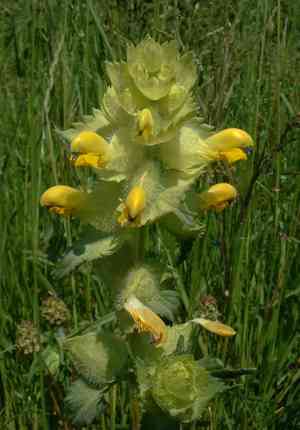
Identifiable by its vivid yellow blooms and unique seed pods that produce a rattling sound when agitated, Greater yellow rattle is easily spotted in nature. This visual charm makes it an appealing addition to any garden or natural landscape. Its blooming period typically extends from late spring to early summer, offering a lively burst of color during these times.
How Does Greater yellow rattle Improve Soil Health?
Nutrient Cycling
Greater yellow rattle plays a key role in the movement of nutrients within the soil. By connecting to the root systems of grasses and other plants, it can decrease the excessive nutrient absorption of dominant species. This makes more nutrients available to a broader range of plants, thereby fostering a more balanced and healthy ecosystem.
Soil Structure
Beyond nutrient cycling, Greater yellow rattle also contributes to enhancing soil structure. Its root system aids in aerating the soil, promoting better water penetration and reducing erosion. This is especially beneficial for areas prone to soil degradation, as Greater yellow rattle helps maintain soil integrity and fertility.
What Are the Ecological Benefits of Greater yellow rattle?
Supporting Biodiversity
Greater yellow rattle acts as a magnet for pollinators and beneficial insects. The plant's flowers attract various bees, butterflies, and other pollinators, which are essential for ecosystem health. Additionally, Greater yellow rattle provides habitat and food sources for these insects, supporting overall biodiversity.
Managing Invasive Species
One of the most significant advantages of Greater yellow rattle is its capacity to control invasive grass species. By parasitizing these grasses, Greater yellow rattle helps limit their spread, allowing native plant species to flourish. This equilibrium is crucial for maintaining the health of meadows and other natural habitats.
Can Greater yellow rattle Benefit Your Garden?
Natural Weed Control
Gardeners can find a valuable ally in Greater yellow rattle for natural weed management. By competing with aggressive weed species, Greater yellow rattle lessens the need for chemical herbicides. This is not only eco-friendly but also helps maintain a healthier garden ecosystem.
Aesthetic Appeal
In addition to its practical advantages, Greater yellow rattle adds visual appeal to gardens. Its bright yellow flowers and distinctive seed pods can enhance the beauty of any garden space. Furthermore, its role in attracting pollinators can lead to a more vibrant and lively garden, filled with buzzing bees and fluttering butterflies.
How To Cultivate Greater yellow rattle In Your Green Space?
Site Selection
When growing Greater yellow rattle, choosing the correct location is vital. This plant prefers well-drained soil and areas with full sun to partial shade. It can thrive in various soil types but is particularly well-suited to nutrient-poor soils where it faces less competition.
Planting and Maintenance
Planting Greater yellow rattle is relatively simple. It can be sown directly into the soil in the autumn, allowing it to establish before the growing season. Maintenance is minimal, as Greater yellow rattle is a robust species that can endure a range of environmental conditions. Regular observation is advised to ensure it is effectively managing other plant species and contributing positively to the ecosystem.



