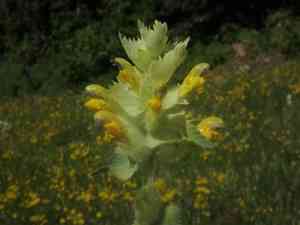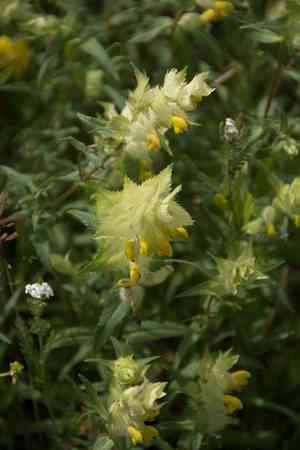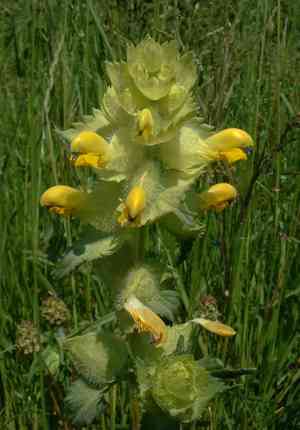
Greater yellow rattle(Rhinanthus alectorolophus)

Greater yellow rattle (Rhinanthus alectorolophus)

Also known as: Yellow rattle

Greater yellow rattle is an annual flowering plant that plays a key role in enhancing meadow biodiversity. As a hemiparasite, it attaches to the roots of grasses, limiting their growth. This suppression of dominant grasses creates opportunities for other plants to grow, leading to a richer and more diverse plant community.

Attributes of Greater yellow rattle

Lifespan
Annual
Plant Type
Herb
Plant Height
15 cm to 80 cm
Spread
N/A
Leaf Color
Green
Flower Size
1.8 cm to 2.5 cm
Flower Color
Yellow Green

ForwardPlant - Identify plants with a snap

Identify and diagnose plants, get toxicity alerts, and explore safety guides for all types of fungi.

Try for Free

Images of Greater yellow rattle

Greater yellow rattle(Rhinanthus alectorolophus)

Quickly Identify Greater yellow rattle

1
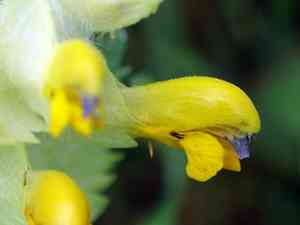
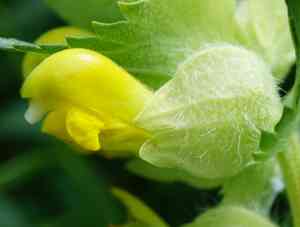
Rhinanthus alectorolophus can be identified by its yellow, tubular flowers with a helmet-shaped upper lip, and its inflated seed pods that produce a rattling sound when dry. Look for its serrated leaves and a somewhat square stem.

Scientific Classification of Greater yellow rattle

Phylum
Vascular plants
Class
Dicotyledons
Order
Lamiales
Family
Broomrape
Genus
Rattles
Species
Greater yellow rattle

Planting and Growing of Greater yellow rattle

Care Difficulty
Easy
Watering Schedule
Every 2 days
Sunlight Requirements
Partial sun
Sunshine Duration
4-8 hours
Ideal Temperature
60-75℉
Soil Type
Potting Mix, Peat Mix
Soil pH
6.5-7.5
Fertilizer Type
Balanced
Pruning Season
Spring, Summer
Pruning Area
Branches, Leaves
Pruning Frequency
2 times a year
Repotting Season
Spring
Pot Type
Plastic, Ceramic

water icon How to Water Greater yellow rattle?

When watering Rhinanthus alectorolophus, aim for about 200 milliliters each time. The principle is to ensure the soil is moist but not waterlogged. It's crucial to let the top inch of soil dry out before the next watering to prevent root rot.
What are the symptoms of an underwatered Greater yellow rattle? ›
What should I do if my Greater yellow rattle is not getting enough water? ›
What are the symptoms of an overwatered Greater yellow rattle? ›
How to save an overwatered Greater yellow rattle? ›

sunlight icon What Are the Sunlight Requirements for Greater yellow rattle?

Sunlight Requirements: Partial sun
Duration of light: 4 to 6 hours
Partial sun conditions are ideal for Rhinanthus alectorolophus, with 4 to 6 hours of sunlight. This balanced exposure encourages robust growth, vibrant blooms, and reduces stress, promoting overall plant health.
What type of sunlight does Rhinanthus alectorolophus prefer? ›
How can I ensure Rhinanthus alectorolophus gets the ideal amount of sunlight? ›
What are the benefits of Rhinanthus alectorolophus receiving its ideal sunlight? ›

temperature icon What Is the Ideal Temperature Range for Greater yellow rattle?

Ideal Temperature: 60 ~ 75℉
The ideal temperature range for growing Rhinanthus alectorolophus is between 60°F and 75°F. This range provides optimal conditions for the plant’s physiological processes, including photosynthesis and nutrient uptake.

soil icon What Soil is Best for Greater yellow rattle?

Soil type: Sandy soil, Loam, Calcareous soil
Soil PH: 6.5 ~ 7.5
Rhinanthus alectorolophus thrives in soil with excellent drainage, preventing root rot by ensuring excess moisture is quickly expelled. This allows roots to access oxygen efficiently, promoting healthy growth. The plant prefers soil with moderate nutrient levels. This avoids excessive fertility that may encourage competitive weeds, thus allowing Rhinanthus alectorolophus to establish its niche effectively. Slightly alkaline soil conditions, with a pH up to 7.5, support optimal nutrient uptake for Rhinanthus alectorolophus. It enhances the plant's ability to access essential minerals, promoting its vibrant flowering.

fertilize icon How to Fertilize Greater yellow rattle?

Fertilizer type: Balanced
For Rhinanthus alectorolophus, it is important to use a balanced fertilizer. Apply a liquid fertilizer diluted to one-quarter strength for liquid application, and use approximately 10 grams per square meter for slow-release fertilizers to avoid overfeeding.

prune icon How to Prune Greater yellow rattle?

Pruning Time: Spring, Summer, Autumn, Winter
Focus on removing dead, damaged, or diseased stems first. Then identify and cut back any overgrown or crossing branches to improve air circulation and sunlight penetration. Trim back to a node or bud to encourage new growth from that point. While Rhinanthus alectorolophus can be pruned all year round, avoid heavy pruning during extreme weather conditions to reduce stress on the plant. Use a clean, angled cut to allow water to run off, preventing rot. Always aim to prune just above a growth node for optimal results. More About Pruning Techniques→

propagate icon How to Propagate Greater yellow rattle plant?

Propagate Time: Early spring
1
Fill the seed tray with moistened potting soil, ensuring it is evenly distributed. This helps in uniform seed germination, providing a stable base for seed development.
2
Scatter the seeds evenly over the surface of the soil, then lightly press them into the soil. It's important not to bury them too deeply, as they require light for germination.
3
Place the seed tray in a warm location with indirect sunlight and keep the soil consistently moist. Use a spray bottle for gentle watering to avoid disturbing the seeds.

repot icon How to Repot Greater yellow rattle plant?

Repotting frequency: Once a year
1
You'll know it's time to repot Rhinanthus alectorolophus when you notice roots emerging from the drainage holes or the plant's growth seems stunted. Spring is ideal, as it's the start of the growing season and the plant can adjust to its new home easily.
2
Select a pot that is just one size larger than the current one. Adequate drainage holes are crucial to prevent waterlogging. This allows the roots to spread without overwhelming the plant with excess soil, promoting healthy growth.
3
Opt for well-drained loamy soil, which retains moisture while allowing excess water to drain. This type of soil provides the necessary nutrients and balance of moisture that Rhinanthus alectorolophus needs for robust health.

ForwardPlant - Identify plants with a snap

Find the best spots for them to optimize their health, simply using your phone.

Try for Free

Toxicity of Greater yellow rattle

Is Greater yellow rattle toxic to humans?

The greater yellow rattle exhibits a moderate level of toxicity to humans, primarily through the consumption of its parts. All components of the plant, including its leaves, stems, and flowers, harbor toxic glycosides that can pose risks when ingested. Upon ingestion, these glycosides can disrupt the body's natural processes, resulting in a variety of symptoms. Those who inadvertently consume any part of the greater yellow rattle may suffer from digestive issues such as nausea and vomiting, alongside more concerning symptoms like dizziness, weakness, and the potential for heart-related complications. Given the plant's moderate toxicity, it is crucial to exercise caution to prevent unintentional ingestion, particularly in regions where greater yellow rattle naturally occurs.

Is Greater yellow rattle toxic to cat?

Greater yellow rattle presents a moderate risk of toxicity to cats. Felines may become poisoned if they inadvertently ingest any portion of the greater yellow rattle plant, as the entire entity is toxic. Such ingestion often occurs by mistake, potentially resulting from unintentional contact with the plant in both indoor and outdoor environments. In cases of poisoning, a cat might show various physical ailments, including sickness and discomfort, though specific symptoms remain unspecified. The toxic effects are attributed to the presence of glycosides found in greater yellow rattle. It is crucial for any cat exhibiting signs of poisoning to be taken to a veterinary clinic immediately for treatment.

Is Greater yellow rattle toxic to dog?

The plant known as greater yellow rattle is recognized to possess a moderate toxicity level for dogs. If ingested inadvertently, it can lead to poisoning, which raises significant concerns for pet owners. All parts of the plant, encompassing leaves, stems, and flowers, contain toxic compounds that can seriously threaten a dog's health. Upon ingestion, dogs may display symptoms of poisoning such as gastrointestinal distress, lethargy, and heart-related issues, attributed to the presence of glycosides. Therefore, it's essential for dog owners to vigilantly supervise their pets and restrict their access to greater yellow rattle, particularly during walks or in regions where this plant is prevalent. Should a dog show any signs of poisoning after possible exposure to greater yellow rattle, seeking immediate veterinary attention is vital for ensuring timely and effective treatment.

Identify toxic plants for your safety

Learn which plants are harmful to you and your pets, and make informed choices for a safer home!

Try for Free
WARNING
The judgment on toxicity and danger is for reference only. We DO NOT GUARANTEE any accuracy of such judgment. Therefore, you SHALL NOT rely on such judgment. It is IMPORTANT TO SEEK PROFESSIONAL ADVICE in advance when necessary.
More About Toxic Techniques→