How to Transplant European buckthorn?
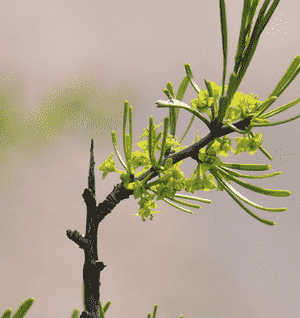
Relocate european buckthorn once the cold weather diminishes and vegetation reactivates, generally from late spring to early summer. Select a bright spot featuring soil that drains effectively. Sufficient distance between plants guarantees successful rooting without requiring additional transplanting advice.
What Preparations are Needed Before Transplanting European Buckthorn?
What is the Ideal Time for Transplanting European Buckthorn?
The most favorable period for relocating european buckthorn is when late spring's warmth transitions into the pleasant early summer days. Moving european buckthorn during this season ensures root establishment under mild weather, avoiding frost or intense summer heat. This timely action promotes vigorous growth, giving european buckthorn a strong start in its new location. Friendly reminder: It's the perfect moment for european buckthorn to flourish, as the soil is warm and receptive, offering an ideal embrace for the root system to adapt and expand.
How Much Space Should You Leave Between European Buckthorn Plants?
Before introducing european buckthorn to your garden, designate a spot for each plant, maintaining a generous distance of 4-6 feet (1.2-1.8 meters) between them. This guarantees ample room for them to thrive without competing for nutrients and sunlight.
What is the Best Soil Mix for European Buckthorn Transplanting?
Prepare your soil with extra care for european buckthorn by aiming for a loamy, well-draining mixture. Enrich the ground with a balanced, slow-release fertilizer to give your plants a healthy beginning. Warmth and attention now mean vibrant growth later!
Where Should You Relocate Your European Buckthorn?
Choose a sunny location for european buckthorn, where they can receive at least 6 hours of sunlight daily. Partial shade is also acceptable, just ensure they bask in the gentle light for healthy development.
What Equipments Should You Prepare Before Transplantation European Buckthorn?
Gardening Gloves
To safeguard your hands while handling soil and plants.
Shovel or Spade
To excavate around and beneath the european buckthorn's root ball.
Wheelbarrow or Tarp
To move the european buckthorn from its original spot to the new transplant site.
Pruning Shears
To trim any damaged roots or stems prior to replanting.
Watering Can or Hose
To hydrate the european buckthorn before removal and after transplanting.
How Do You Remove European Buckthorn from the Soil?
How Do You Remove European Buckthorn from the Soil?
From Ground: Water the european buckthorn to moisten the soil. Dig a wide trench around the plant with a shovel, keeping the root ball intact. Gently work the shovel under the root ball to carefully lift the plant.From Pot: Water the european buckthorn and allow it to sit for a while. Turn the pot sideways, tap the bottom, and gently pull the plant by the base of its stem. Ensure the root ball remains whole as it emerges.From Seedling Tray: Water the seedling to soften the soil. Carefully press from the bottom of the cell to loosen the root ball. Gently grasp the european buckthorn by the leaves or the base of the stem, avoiding root damage, and lift it out.
Step-by-Step Guide for Transplanting European Buckthorn
Hole Preparation
Excavate a hole in the designated spot that is twice as wide and equally deep as the root ball.
Root Ball Inspection
Examine the root ball for health, gently trimming any broken or dead roots with pruning shears.
Placement
Position the european buckthorn in the center of the hole at the same depth it was previously growing, spreading the roots outwards.
Backfilling
Carefully refill the hole with soil, gently tamping down to eliminate air pockets without overly compacting the soil.
Watering
Thoroughly water the european buckthorn, ensuring the water penetrates deeply to reach the transplant's root zone.
How Do You Care For European Buckthorn After Transplanting?
Mulching
Apply a layer of organic mulch around the base of the european buckthorn to help retain moisture and regulate soil temperature.
Pruning
Trim any damaged or excessively long branches to encourage a healthy, balanced shape and improve the european buckthorn's overall vitality.
Monitoring
Regularly check the european buckthorn for signs of stress, such as leaf wilting or discoloration, and take appropriate action if necessary.
Staking
If the european buckthorn is tall or exposed to strong winds, provide support with a stake to prevent it from leaning or getting uprooted.
Troubleshooting Common Issues with European Buckthorn Transplantation.
What's the best time to transplant european buckthorn for successful rooting?
Optimal transplanting occurs when the weather is mild, typically from late spring through early summer.
How far apart should I plant european buckthorn to ensure healthy growth?
Space them approximately 4 to 6 feet apart (1.2 to 1.8 meters) to provide ample room for development.
What soil type is preferred for transplanting european buckthorn?
A well-drained soil rich in organic matter is ideal for european buckthorn to flourish.
How deep should the hole be for transplanting european buckthorn?
The hole should be twice the width and the same depth as the root ball of european buckthorn.
What should I do if european buckthorn wilts after transplanting?
Ensure the soil is moist and the plant is shaded from intense sun. Consistent watering is crucial.
Can I fertilize european buckthorn right after transplanting?
Wait for 4-6 weeks before fertilizing to allow european buckthorn to establish itself without burning the roots.
Should I prune european buckthorn when I transplant it?
Pruning is not typically necessary, but remove any damaged or diseased branches to promote healthy growth.
How do I water european buckthorn after transplanting?
Water deeply to encourage root growth, then maintain consistent moisture, especially during dry periods.
What if european buckthorn's leaves turn yellow after transplanting?
Yellow leaves can indicate overwatering or poor drainage. Check and adjust your watering routine.
Do european buckthorn plants require staking after transplanting?
Staking is not required unless it's a particularly tall specimen or in a very windy location.



