How to Prune European buckthorn?
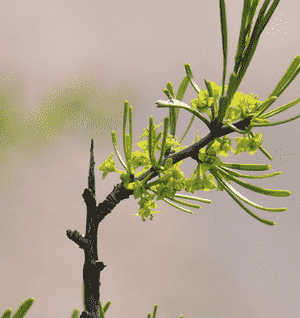
A robust shrub from the Mediterranean region, european buckthorn flourishes with little attention, its thick leaves and spines creating an imposing barrier. Essential trimming ought to occur in late winter or early spring to stimulate fresh development and preserve its form. Eliminate any lifeless, ailing, or excessively dense branches to improve air movement and light exposure. Reducing the number of older stalks also fosters strong growth. Consistent trimming helps control its size and deters the proliferation of this possibly intrusive plant.
What Are the Benefits of Pruning European Buckthorn?
What Are the Benefits of Pruning European Buckthorn?
Trimming european buckthorn promotes robust development and preserves its desired form. Strategic cuts stimulate new, healthy branches and foliage, while also helping to manage the plant's size and shape for visual appeal and landscape integration.
What Is the Best Time for Pruning European Buckthorn?
What Is the Best Time for Pruning European Buckthorn?
Pruning european buckthorn in late winter, just before spring growth begins, is advantageous as it minimizes the plant's wound exposure and supports rapid healing of cuts with the start of active growth. Additionally, during this period, the plant remains dormant, which reduces sap bleeding and stress on european buckthorn. The absence of leaves also provides a clearer view of the plant's structure, simplifying strategic cuts. Early spring pruning aligns with just after bud break, allowing gardeners to remove frost-damaged wood and shape the plant efficiently. It is crucial to prune before significant new growth to avoid cutting off future flowers or fruits and to direct the plantâs energy towards developing a desirable structure and vigorous new growth.
What Tools Do I Need to Prune European Buckthorn?
Hand Pruners
European buckthorn has woody stems that can be trimmed with hand pruners. This tool allows for precise cuts, helping to shape the plant or remove damaged and diseased branches.
Lopping Shears
For branches that are slightly thicker, typically up to 1.5 inches in diameter, lopping shears offer the necessary leverage and cutting power without causing damage to european buckthorn.
Pruning Saw
If european buckthorn has developed very thick branches, a pruning saw is appropriate. It can handle the diameter of larger branches, ensuring a clean cut for healthy regrowth.
Hedge Shears
For shaping and maintaining the dense foliage of european buckthorn, hedge shears are useful. They allow for the trimming of multiple small twigs and leaves at once, creating a neat overall appearance.
Pole Pruner
In case european buckthorn has grown tall, a pole pruner can reach higher branches without the use of a ladder, enhancing safety during the pruning process.
How to Prune European Buckthorn
Sanitize
Before pruning european buckthorn, clean and sterilize all pruning tools to prevent the spread of disease.
Removal
Cut away any diseased or withered leaves from european buckthorn as well as dead or diseased branches. Make cuts just above a healthy leaf node or bud to encourage new growth.
Thin
Thin out the center of european buckthorn to increase air circulation and light penetration. Carefully remove selected live branches from crowded areas, cutting back to a main branch or the trunk.
Shape
Shape european buckthorn by shortening over-extended branches to maintain a balanced, natural form. Avoid excessive trimming to prevent stress on the plant.
Clean
After pruning european buckthorn, clear away all removed plant material to reduce the risk of disease and dispose of it properly.
Common Pruning Mistakes with European Buckthorn
Over-pruning
Removing too much foliage at once can stress european buckthorn, leading to stunted growth or dieback.
Improper cutting technique
Incorrect cutting angles or tearing branches rather than making clean cuts can cause unnecessary injury and create entry points for disease.
Neglecting tool hygiene
Not sterilizing tools between cuts can spread disease from infected to healthy parts of european buckthorn.
Pruning for size only
Excessive focus on controlling the size without considering the natural shape and growth pattern of european buckthorn can lead to a weak structure and reduced vigor.
Common Pruning Tips for European Buckthorn
Sharp tools
Use sharp, clean pruning shears or loppers to make clean cuts that heal quickly, preventing disease.
Thin out
Selectively remove crowded or crossing branches to improve air circulation and sunlight penetration, which is essential for the health of european buckthorn.
Shape carefully
Prune european buckthorn with its natural habit in mind to maintain its aesthetic form and encourage strong growth.
Cut to the node
Make cuts just above leaf nodes or branching points to encourage healthy new growth in the desired direction.



