How Much Sunlight Do European buckthorn Need?
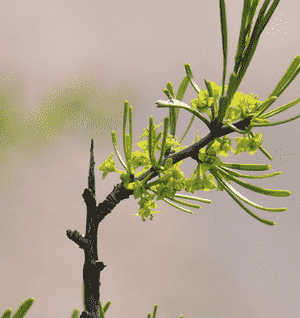
1
European buckthorn flourishes with direct sun exposure for a minimum of 6 hours daily.
2
Watch for indicators of distress, such as burned foliage, to avoid sun-related harm.
3
Light-reflecting ground cover can enhance sun access and support ideal development.
The Importance of Sunlight for European Buckthorn
Photosynthesis and Development
Sunlight is essential for photosynthesis, the process by which European buckthorn creates its sustenance. When light strikes the leaves, it converts light energy into chemical energy, fostering robust and healthy plant development. Without sufficient sunlight, European buckthorn's growth can be hindered, leading to a weaker structure and potentially impacting its lifespan. It's vital to understand that sunlight is not merely preferred but crucial for this plant's survival.
Ideal Sunlight Conditions
For European buckthorn, optimal sunlight conditions involve ample direct sun, especially during peak daylight hours. Ideally, this plant should receive over 6 hours of sun daily. This ensures it gets enough light to sustain its photosynthetic activities and overall vigor. Positioning the plant in a south-facing spot typically provides the necessary sunlight for its well-being.
European Buckthorn's Sunlight Requirements
Full Sun vs. Partial Shade
European buckthorn thrives in full sun, where it gets at least 6 to 8 hours of unobstructed light daily. While it can endure partial shade, the plant displays more vibrant growth and denser foliage when exposed to full sunlight. Partial shade might result in slower growth and sparser foliage. Therefore, selecting a location with maximum sunlight exposure is best for the plant's health and appearance.
Seasonal Light Considerations
Seasonal variations significantly impact sunlight availability. During the spring and summer growing season, European buckthorn benefits from longer daylight hours. However, in autumn and winter, sunlight may be more limited, which should be considered for young or newly planted specimens. During these periods, ensure the plant is in a spot that maximizes the reduced sunlight to prevent any decline in growth or vitality.
Optimal Planting Locations for European Buckthorn
Ideal Outdoor Sites
When planting European buckthorn outdoors, select an area with unimpeded sunlight, such as open fields or south-facing gardens. Ensure no large trees or structures cast shadows over the plant for most of the day. This placement will help the plant receive the necessary sunlight to flourish and maintain its health.
Indoor Cultivation Advice
If cultivating European buckthorn indoors, position it near a south-facing window where it can receive abundant sunlight. Additionally, you can supplement natural light with grow lights to ensure the plant gets the 6 to 8 hours of light it needs daily. Rotating the plant regularly can help ensure even light distribution and prevent lopsided growth.
Common Sunlight Problems and Solutions
Signs of Excessive Sunlight
While European buckthorn prefers ample sunlight, too much exposure can lead to scorched or yellowed leaves. This can be particularly problematic during extremely hot or dry conditions. If you observe these symptoms, consider providing some shade during the hottest afternoon hours or increasing watering to help the plant cope with intense sunlight.
Signs of Insufficient Sunlight
Inadequate sunlight can cause etiolated growth, where the plant becomes elongated and weak as it stretches towards the light source. Leaves may also appear pale and sparse. To correct this, move the plant to a sunnier location or, if indoors, closer to a bright window or under grow lights.
Enhancing Sunlight Exposure for European Buckthorn
Utilizing Reflective Mulch
Reflective mulch can help increase the amount of light reaching the lower parts of the European buckthorn. This type of mulch reflects sunlight back onto the plant, ensuring better overall light absorption. It can be especially useful in areas with less direct sunlight or during seasons when daylight is reduced.
Pruning Techniques
Regular pruning can help maximize sunlight exposure by removing overcrowded or shaded branches. This ensures that more of the plant's leaves are exposed to sunlight, enhancing photosynthesis and overall plant health. Pruning should be done strategically to maintain the plant's form and promote vigorous growth.



