How to Transplant Japanese buckthorn?
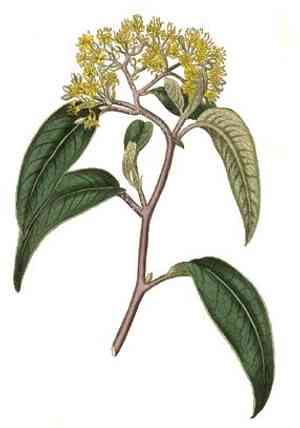
Japanese buckthorn thrives when transplanted during the splendid late-spring period, benefiting from elevated soil temperatures and consistent weather conditions. Select a location that receives ample sunlight or partial shade, featuring rich, well-draining earth for peak development.
What Preparations are Needed Before Transplanting Japanese Buckthorn?
What is the Ideal Time for Transplanting Japanese Buckthorn?
The best period for relocating japanese buckthorn is late spring, once the ground has warmed and all danger of frost has passed. This timing allows japanese buckthorn to establish its root system before the intense summer heat, promoting robust growth and resilience. Moving it during this window also maximizes water absorption and nutrient uptake, leading to a thriving plant.
How Much Space Should You Leave Between Japanese Buckthorn Plants?
When moving japanese buckthorn, ensure each plant is positioned 3-6 feet (90-180 cm) apart. This spacing prevents competition for vital nutrients.
What is the Best Soil Mix for Japanese Buckthorn Transplanting?
Japanese buckthorn thrives in soil that drains well and has a neutral to slightly acidic pH. Before planting, enrich the soil with organic compost or a balanced base fertilizer to supply essential nutrients.
Where Should You Relocate Your Japanese Buckthorn?
Select a site that receives ample sunlight, ideally 6-8 hours of direct sun daily. This ensures japanese buckthorn gets sufficient light for vigorous growth and health.
What Equipments Should You Prepare Before Transplantation Japanese Buckthorn?
Gardening Gloves
To safeguard your hands while handling soil and the plant.
Shovel or Spade
For excavating around the plant and preparing the new planting site.
Trowel
Useful for smaller digging tasks and precise placement.
Watering Can or Hose
To hydrate the plant before and after its relocation.
Pruning Shears
To trim any damaged or dead roots during the transplanting process.
Wheelbarrow
Helpful for moving the plant if it is large or heavy.
Mulch
To cover the soil post-transplant and aid in moisture retention.
How Do You Remove Japanese Buckthorn from the Soil?
How Do You Remove Japanese Buckthorn from the Soil?
From Ground: First, moisten the japanese buckthorn plant to soften the soil. Next, dig a wide trench around the plant using a shovel or spade, ensuring the plant's root ball remains intact. Carefully work the spade beneath the root ball to lift the plant from its original spot.From Pot: Thoroughly water the japanese buckthorn plant before extracting it from its container. Gently tap the pot's sides to loosen the soil. Support the plant at its base and carefully tilt the pot to slide the plant out, keeping the root ball whole.From Seedling Tray: Ensure the tray's soil is damp. Use a trowel or your fingers to gently loosen the soil around the japanese buckthorn seedlings. Lift the seedlings by their leaves or base, rather than their stems, to prevent harm.
Step-by-Step Guide for Transplanting Japanese Buckthorn
Preparation
Water the japanese buckthorn plant in its current location thoroughly a day prior to transplanting to ensure the soil is moist and the plant is well-hydrated.
Digging a New Hole
Select a new spot and dig a hole twice as wide and the same depth as the japanese buckthorn's root ball. This allows the roots to spread comfortably in their new environment.
Transplanting
Position the japanese buckthorn plant in the center of the new hole, ensuring it sits at the same depth as it was in its original spot. Backfill the hole with soil, gently pressing it down to remove air pockets.
Watering
After planting, thoroughly water the japanese buckthorn to help settle the soil around the roots and minimize transplant shock.
Mulching
Apply a layer of mulch around the base of the japanese buckthorn. This helps retain moisture and maintain a stable soil temperature.
How Do You Care For Japanese Buckthorn After Transplanting?
Watering
Keep the soil around the japanese buckthorn consistently moist, but not waterlogged, for the initial few weeks post-transplant to aid in strong root establishment.
Monitoring
Observe for indications of transplant shock, such as wilting or yellowing foliage, and respond with additional watering or temporary shading if needed.
Mulch Maintenance
Maintain the mulch layer to conserve moisture and suppress weeds, but ensure it does not touch the plant's stem to prevent rot.
Troubleshooting Common Issues with Japanese Buckthorn Transplantation.
When is the best time to transplant japanese buckthorn?
The optimal time to transplant japanese buckthorn is in late spring.
What soil preparation is needed before transplanting japanese buckthorn?
Ensure well-draining soil, enriched with organic compost and pH-neutral to slightly acidic.
How much spacing should I maintain between japanese buckthorn plants?
Space japanese buckthorn plants 3-6 feet (0.9-1.8 meters) apart for optimal growth.
How deep should I plant japanese buckthorn when transplanting?
Plant japanese buckthorn at the same depth it was growing previously to avoid root stress.
Should I water japanese buckthorn immediately after transplanting?
Yes, water japanese buckthorn thoroughly right after transplanting to help settle the soil.
How can I minimize transplant shock for japanese buckthorn?
Keep roots moist, avoid disturbing them, and transplant during cooler parts of the day.
What type of mulch should I use around japanese buckthorn?
Use organic mulch like bark or straw to retain moisture and regulate temperature around japanese buckthorn.
Is it necessary to prune japanese buckthorn before transplanting?
Lightly prune any damaged roots or branches to promote healthy growth in japanese buckthorn.
How can I check if japanese buckthorn is getting enough water after transplanting?
Check soil moisture by pressing your fingers 2 inches (5 cm) into the ground; it should feel damp.
What are common signs of transplant shock in japanese buckthorn?
Wilting, yellowing leaves, and slowed growth can indicate transplant shock in japanese buckthorn.



