How to Prune Japanese buckthorn?
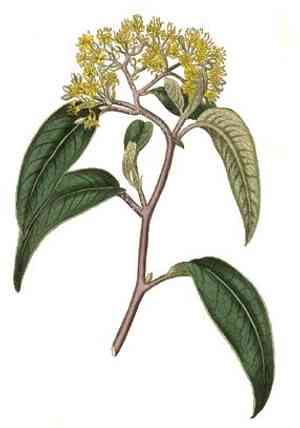
Japanese buckthorn, characterized by its lustrous foliage and compact flower groupings, benefits from trimming during late winter or early spring. Remove any branches that are deceased, impaired, or afflicted to encourage robust development. Reduce crowded sections to enhance air movement and light exposure. Trimming aids in preserving its form and dimensions, curbing undesirable expansion. Consistent, meticulous pruning improves the general well-being and aesthetic appeal of japanese buckthorn.
Advantages of Trimming Japanese Buckthorn
Advantages of Trimming Japanese Buckthorn
Trimming japanese buckthorn encourages robust development and assists in preserving its form. Regular trimming also prevents excessive growth, fosters a strong branching structure, and decreases the chance of pest infestations, ensuring the plant stays healthy and appealing.
Optimal Period for Trimming Japanese Buckthorn
Optimal Period for Trimming Japanese Buckthorn
Trimming japanese buckthorn during early spring and late winter aligns with its dormant phase, reducing stress and improving recuperation. This timing allows the plant to direct energy towards new growth in the upcoming season, enhancing its overall vitality. Furthermore, pruning before the plant's active growth period helps shape and manage its size, while minimizing the risk of disease and pest issues.
Necessary Tools for Trimming Japanese Buckthorn
Bypass Pruners
Perfect for making clean cuts on live branches and stems of japanese buckthorn up to 3/4 inch in diameter without harming the plant.
Loppers
Useful for cutting thicker branches of japanese buckthorn, typically up to 1.5 inches in diameter, providing extra leverage for easier cutting.
Pruning Saw
Needed for removing larger branches of japanese buckthorn that exceed 1.5 inches in diameter; designed for smooth and effortless cutting.
Hedge Shears
Effective for shaping and controlling the dense growth of japanese buckthorn, especially when maintaining a desired form for ornamental purposes.
Pole Pruner
Helps access higher branches of japanese buckthorn without needing a ladder, ensuring safety during pruning.
How to Trim Japanese Buckthorn
Examine
Carefully check japanese buckthorn for any indications of diseased or withered foliage. This enables precise identification of the parts requiring trimming.
Tool Preparation
Choose clean, sharp pruning shears or scissors to ensure a precise cut and minimize harm to other parts of japanese buckthorn. Sanitize the tools with rubbing alcohol to prevent disease transmission.
Remove Diseased Leaves
Identify leaves showing signs of illness, such as discoloration, spots, or unusual growths. Cut these leaves off close to the stem but avoid cutting the stem itself to prevent further damage.
Clear Withered Leaves
Locate any withered or dead leaves. Trim these away by cutting them off where they connect to the stem. This encourages healthy parts of japanese buckthorn to receive more nutrients.
Dispose Properly
Gather all pruned leaves and dispose of them away from japanese buckthorn and other plants to prevent disease spread. Do not compost diseased leaves.
Common Trimming Errors with Japanese Buckthorn
Excessive Pruning
Removing too much foliage at once can stress japanese buckthorn, making it susceptible to disease and stunted development. Always prune cautiously, especially if unsure about the quantity to remove.
Incorrect Cuts
Using dull or unsuitable tools can result in jagged cuts, which may lead to infection or pest issues. It's crucial to use sharp, clean pruning shears for precise cuts.
Insufficient Cleaning
Neglecting to clean tools between cuts, particularly if working with diseased or infested plants, can spread problems throughout your garden. Always sanitize your tools between uses.
Ignoring the Plant's Natural Form
Failing to consider japanese buckthorn's inherent growth habit can lead to unnatural shapes and impede its overall health. It's vital to prune in a way that preserves its natural structure.
Pruning at the Wrong Time
Even though we're excluding the best season for pruning, timing is crucial for japanese buckthorn. Pruning at inappropriate times, like late fall, can result in poor recovery or winter damage.
General Trimming Advice for Japanese Buckthorn
Correct Technique
Make precise cuts just above a bud or at the junction where a branch meets another. This promotes proper healing and healthy new growth.
Sanitizing Tools
Always disinfect your pruning tools with a solution of one part bleach to nine parts water before and after use to prevent the spread of disease.
Removing Dead or Damaged Wood
Prioritize removing dead, diseased, or crossing branches. This not only enhances the plant's appearance but also encourages better airflow and sunlight penetration.
Prune to Maintain Shape
Follow the plant's natural growth pattern. Make selective cuts to maintain its natural form, spacing branches evenly to allow light and air to penetrate the canopy.
Pruning for Rejuvenation
Every few years, consider a more thorough pruning to rejuvenate japanese buckthorn. Remove older, less productive branches to encourage new growth. This can help maintain vigor and improve overall health.



