How to Propagate Japanese buckthorn?
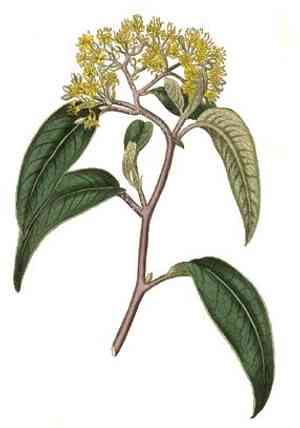
Rhamnus japonica is a deciduous shrub recognized for its robust characteristics and versatility. To propagate, plant seeds in soil that drains effectively and is fortified with organic material. Confirm that the seeds are lightly covered with earth and remain damp. A regular watering regimen is crucial until sprouting occurs. Optimizing exposure to sunlight encourages vigorous development. Adhering to these guidelines will lead to successful propagation.
What Is the Best Time To Propagate Japanese Buckthorn?
Propagation Type
Seeding
Propagation Season
Spring
What Tools Are Used in Japanese Buckthorn Propagation?
Seed Trays
Seed trays are vital for initiating japanese buckthorn seeds. They offer a controlled setting for seedlings to sprout, ensuring proper spacing and reducing nutrient competition.
Seed Starting Mix
A premium seed starting mix is essential for japanese buckthorn. It provides good drainage and aeration, critical for seed germination and robust root development.
Humidity Domes
Humidity domes placed over seed trays help maintain ideal moisture levels and temperature, which are necessary for successful japanese buckthorn seed germination.
Mist Sprayer
A mist sprayer is useful for keeping the soil surface damp without disturbing the seeds. It ensures japanese buckthorn seeds remain moist, vital for their germination.
Labeling Stakes
Labeling stakes help track plantings in seed trays, ensuring correct identification of japanese buckthorn throughout the propagation process.
Heat Mat
A heat mat under seed trays can provide consistent bottom warmth, promoting quicker and more uniform germination of japanese buckthorn seeds.
Grow Lights
Grow lights supply the necessary light spectrum for japanese buckthorn seedlings to grow strong and healthy, especially when natural light is insufficient.
How to Propagate Japanese Buckthorn?
Propagation Type
Simple
How to Care for Your Newly Propagated Japanese Buckthorn?
How to Care for Your Newly Propagated Japanese Buckthorn?
After transplanting, water young plants consistently to keep the soil moist but not waterlogged. Provide partial shade until they are established, then gradually introduce more sunlight. Fertilize occasionally with a balanced, slow-release fertilizer to encourage healthy growth. Monitor for pests and diseases and address them promptly to ensure vigorous development of your japanese buckthorn plants.
Common Mistakes to Avoid When Propagating Japanese Buckthorn
Overwatering
Excessive watering can lead to root rot and fungal infections, severely impacting new cuttings and seedlings.
Improper Soil Composition
Using soil that is too dense or nutrient-rich can hinder proper drainage and root development, crucial for healthy propagation.
Inadequate Light
Insufficient light can result in weak, leggy growth and poor root formation, decreasing the chances of successful propagation.
Neglecting Pest Control
Failing to monitor and control pests can lead to infestations that harm young plants, compromising their growth and survival.
Incorrect Cutting Techniques
Taking cuttings that are too small or not mature enough can affect the overall health and vigor of new plants, leading to failed propagation attempts.
Tips For Propagating Japanese Buckthorn
Use Well-Draining Soil
Ensure the soil mix drains well to prevent waterlogging and root rot, which is crucial for the healthy establishment of new plants.
Maintain Moderate Moisture
Keep the soil consistently moist but not saturated to provide the optimal environment for root development.
Provide Adequate Light
Place the plant in a location with bright, indirect light to encourage strong, healthy growth during the early stages.
Regular Pest Monitoring
Regularly inspect plants for pests and take immediate action to control any infestations to protect young plants.
Utilize Proper Cutting Techniques
Use sharp, sterilized tools to take healthy, semi-hardwood cuttings for better chances of successful rooting.



