How to Transplant Beach pegreed?
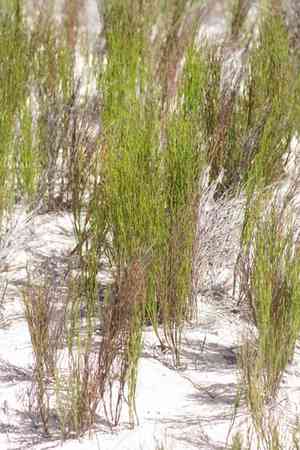
The most favorable period for relocating beach pegreed is from early to late spring, coinciding with its active growth phase, as the plant possesses considerable vigor then. Select a site that receives ample sunlight and offers good drainage. Exercise caution during the process to prevent damage to the root system.
Essential Preparations Before Relocating Beach Pegreed
Optimal Period for Moving Beach Pegreed?
The best time to move beach pegreed is from early to late spring. This period offers mild temperatures and ample moisture, which are crucial for root development and growth. Transplanting at this time reduces stress and improves survival rates, leading to a healthier perennial.
Required Spacing Between Beach Pegreed Plants?
When transplanting beach pegreed, ensure a 3-5 feet (0.9-1.5 meters) gap between them. This provides sufficient room for growth and prevents competition for resources.
Ideal Soil Blend for Beach Pegreed Relocation?
Prepare well-draining sandy or loamy soil and incorporate a basic, balanced fertilizer to enrich it. This will support beach pegreed's development and supply necessary nutrients.
Selecting a New Location for Your Beach Pegreed?
Choose a spot that receives full sun to partial shade for transplanting beach pegreed. Sufficient sunlight is vital for its robust growth and vigorous development.
Tools to Gather Before Transplanting Beach Pegreed
Gardening Gloves
To safeguard your hands while handling soil and plants.
Shovel or Spade
For excavating around the plant and preparing planting sites.
Trowel
Useful for more precise digging tasks.
Watering Can or Hose
For hydrating the plant before and after its relocation.
Wheelbarrow
To move the plant from its original spot to the new planting area.
Mulch
To help maintain soil moisture and control weeds around the newly planted specimen.
Pruning Shears
To trim any damaged roots or stems if required.
Method for Extracting Beach Pegreed from the Ground
Method for Extracting Beach Pegreed from the Ground?
From Ground: First, moisten the soil around the beach pegreed plant. Then, dig a wide trench around the plant using a shovel or spade, ensuring the entire root ball remains intact. Carefully work the spade beneath the root ball to lift the plant from its original position.From Pot: Gently tilt the pot on its side and tap its edges to loosen the soil. Hold the base of the beach pegreed and carefully slide it out. If the plant is root-bound, you may need to gently separate the roots before transplanting.From Seedling Tray: Water the tray to dampen it. Use a trowel or your fingers to carefully lift each beach pegreed seedling, ensuring as much of the root system as possible remains intact. Be gentle to avoid damaging the delicate roots.
Detailed Steps for Transplanting Beach Pegreed
Site Preparation
Dig a planting hole that is twice as wide and as deep as the beach pegreed's root ball. Ensure the soil is loose and well-aerated.
Transplanting
Position the beach pegreed in the center of the hole, making sure the top of the root ball is level with the surrounding ground. Backfill the hole with soil, gently pressing down to eliminate air pockets.
Watering
Water the beach pegreed thoroughly immediately after transplanting to settle the soil around its roots.
Mulching
Apply a layer of mulch around the base of the beach pegreed, leaving some space around the stem to prevent rot.
Post-Transplant Care for Beach Pegreed
Watering
Keep the soil around the beach pegreed consistently moist, but not waterlogged, for the initial weeks after transplanting to aid in root establishment.
Monitoring
Observe the beach pegreed for any indications of stress, such as wilting or yellowing leaves. Address any issues promptly.
Pruning
Trim any damaged or dead stems to encourage healthy new growth and reduce stress on the plant.
Resolving Common Issues During Beach Pegreed Transplantation
How to prepare the soil for beach pegreed transplanting?
Loosen soil to a depth of 12 inches (30 cm) and incorporate organic compost for improved drainage.
When is the best time to transplant beach pegreed?
Early to late spring is ideal for transplanting beach pegreed to ensure optimal growth.
What spacing should I maintain between each beach pegreed plant?
Maintain a distance of 3-5 feet (91-152 cm) between each beach pegreed to allow for healthy growth.
How much water does beach pegreed need after transplanting?
Water thoroughly after transplanting and keep the soil consistently moist for the first few weeks.
What should I do if beach pegreed shows signs of transplant shock?
Provide additional water, ensure proper drainage, and consider a mild fertilizer to aid recovery.
How deep should I plant beach pegreed in the new location?
Plant beach pegreed at the same depth it was growing in its previous location to minimize stress.
Should I trim beach pegreed's roots before transplanting?
Trim unhealthy or excessively long roots, but avoid cutting too much to reduce transplant shock.
Is mulching necessary after transplanting beach pegreed?
Yes, applying mulch helps retain moisture and regulates soil temperature, supporting beach pegreed's growth.
How to handle beach pegreed with damaged roots during transplant?
Trim damaged roots cleanly and treat with a rooting hormone before planting in the new spot.
Can I transplant beach pegreed during hot weather?
Avoid transplanting during hot weather as it can stress beach pegreed; cooler spring temperatures are preferable.



