How to Prune Beach pegreed?
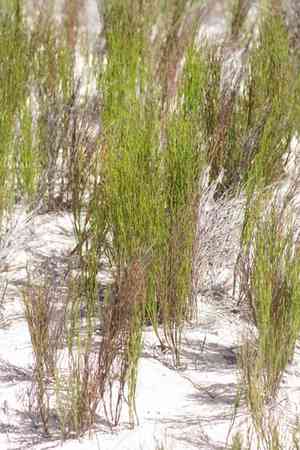
Beach pegreed exhibits a delicate, grass-like form and flourishes in sandy substrates. To preserve its structure and foster robust development, trim it in early spring or during the winter season. Concentrate on excising deceased or compromised stalks at their base to stimulate fresh shoots. Refrain from excising over one-third of the specimen to avert undue strain. Trimming aids in enhancing air movement and diminishes the likelihood of ailments, ensuring beach pegreed remains vibrant and appealing.
Advantages of Trimming Beach Pegreed
Advantages of Trimming Beach Pegreed
Trimming beach pegreed promotes vigorous development and helps maintain its form. It also improves air circulation, lowering disease risk and fostering healthier, denser foliage.
Optimal Period for Trimming Beach Pegreed
Optimal Period for Trimming Beach Pegreed
Trimming beach pegreed in early spring and winter aligns with its natural growth cycle, encouraging healthy regrowth and peak plant vitality. During winter, the plant is dormant, reducing stress and minimizing sap loss. Early spring trimming stimulates lush growth before the plant enters its active growing and flowering phases. This timing ensures the plant fully benefits from the new growth cycle, leading to vibrant foliage and improved flowering outcomes.
Required Tools for Trimming Beach Pegreed
Hand Pruners
Hand pruners are perfect for cutting slender stems and preserving the shape of beach pegreed. They offer precision and control for detailed trimming tasks.
Bypass Pruners
Bypass pruners are suitable for trimming live stems and foliage of beach pegreed, providing a clean cut that encourages healthy regrowth.
Pruning Shears
Pruning shears are vital for cutting through thicker stems and managing denser sections of beach pegreed, facilitating efficient removal of older growth.
Steps to Trim Beach Pegreed
Examine
Thoroughly inspect beach pegreed for any diseased or withered leaves. Identify parts requiring trimming based on clear indications of disease, discoloration, or wilting.
Tool Preparation
Ensure your pruning shears or scissors are clean and sharp to prevent disease spread and make precise cuts. Sanitize tools with alcohol before use.
Remove Diseased
Carefully remove all identified diseased leaves first, making cuts at least 1 inch below the signs of damage to ensure no diseased material remains.
Remove Withered
Remove the withered leaves, cutting them at their base close to the stem to maintain the plantâs appearance and ensure healthy new growth.
Discard
Collect and properly dispose of all trimmed material to prevent any potential spread of disease. Avoid composting diseased plant material.
Common Trimming Errors with Beach Pegreed
Excessive Trimming
Removing too much foliage at once can stress beach pegreed and hinder its growth. It's crucial to avoid cutting back more than a third of the plant at a time.
Incorrect Cutting Method
Using dull or unsuitable tools can result in jagged cuts that make beach pegreed vulnerable to diseases. Always use sharp, clean pruners to make clean cuts.
Trimming at the Wrong Time
Trimming beach pegreed when it is not actively growing can lead to poor regrowth and can harm the plant. Avoid trimming during dormancy or extreme heat.
Ignoring the Plant's Natural Form
Over-shaping or unnecessary alterations can disrupt beach pegreed's natural growth pattern. It's essential to understand the plant's inherent structure before making cuts.
Neglecting Dead or Damaged Parts
Failing to remove dead, damaged, or diseased parts can spread problems to healthier areas of beach pegreed. Regular checks and early intervention are key.
General Trimming Advice for Beach Pegreed
Utilize Appropriate Tools
Sharp, clean pruners or shears are essential for making clean cuts. This minimizes infection risk and promotes faster healing.
Trim Strategically
Aim to remove no more than a third of the plant at one time. Focus on cutting back dead, damaged, or crossing stems to enhance airflow and light penetration.
Preserve Natural Shape
Follow beach pegreed's natural growth habits while trimming to retain its structural integrity. Avoid drastic reshaping unless absolutely necessary.
Regular Upkeep
Frequent light trimming is preferable to infrequent heavy trimming. Regularly inspect beach pegreed for any signs of issues and address them promptly.
Sanitize Tools
Always disinfect your trimming tools between cuts, especially when dealing with diseased plant parts, to prevent the spread of pathogens.



