How to Propagate Beach pegreed?
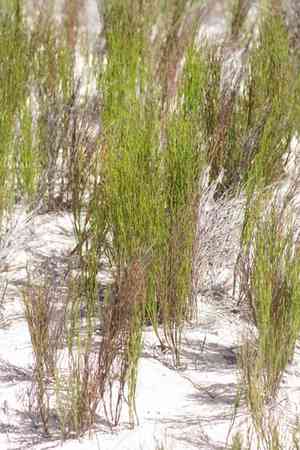
Beach pegreed is a perennial resembling grass that flourishes in seaside environments. Its propagation is most effective via division, making sure each segment possesses a robust rhizome and several sprouts. Insert the divided sections into sandy, well-draining earth, keeping them hydrated until they are rooted. This technique guarantees vigorous development and preserves the plant's distinct attributes. Obtaining specimens from trusted nurseries and seeking advice from regional horticultural specialists can additionally boost successful outcomes.
When Is the Optimal Time to Propagate Beach Pegreed?
Propagation Type
Division
Propagation Season
Spring,Autumn
What Tools Are Utilized in Beach Pegreed Propagation?
Sharp Knife or Garden Spade
Employed for separating the root mass of beach pegreed into smaller portions, ensuring clean cuts to minimize harm and encourage healthy regrowth. A sharp knife or garden spade guarantees precision and lessens plant stress.
Potting Mix
A well-draining potting mixture offers the essential medium for beach pegreed to cultivate robust roots post-division. It's crucial to use a mix that imitates sandy or coastal environments, as beach pegreed naturally flourishes in such conditions.
Plant Labels
Labeling each division with plant tags assists in monitoring growth and ensuring appropriate care. They are vital for maintaining organization, especially when managing multiple specimens.
Watering Can or Hose with Fine Spray Nozzle
Delivers gentle and even hydration to prevent disturbing the newly divided sections of beach pegreed, ensuring roots stay moist but not waterlogged. Consistent moisture levels are crucial for the establishment of divided plants.
Rooting Hormone
Applying rooting hormone to the cut sections can stimulate root development and boost the chances of successful propagation. This is particularly important for beach pegreed, as it aids in overcoming transplant shock.
Planting Trays or Pots
These provide a controlled environment for nurturing the divided sections of beach pegreed until they are strong enough to be transplanted into larger containers or the garden. This helps in closely monitoring their development.
How to Propagate Beach Pegreed?
Propagation Type
Easy
How to Care for Your Newly Propagated Beach Pegreed?
How to Care for Your Newly Propagated Beach Pegreed?
Following propagation, position the containers in a bright, airy spot but shielded from direct, intense sunlight. Ensure the soil remains consistently moist through regular watering, especially during the initial establishment phase. Observe the plants for signs of stress and adjust care as needed, gradually acclimating them to more direct light as they become established. Fertilizing with a balanced, slow-release feed can support vigorous growth. Be watchful for any indications of pests or disease, addressing them promptly to maintain the vitality of beach pegreed.
Common Errors to Avoid When Propagating Beach Pegreed
Overwatering
Excess moisture can lead to root rot and fungal infections, which are detrimental to beach pegreed's well-being.
Improper Soil Mixture
Utilizing dense, clay-rich soil can hinder drainage and root development, as beach pegreed thrives in sandy, well-draining soil.
Ignoring Light Requirements
Placing beach pegreed in too much shade can impede growth, as it prefers full sunlight to partial shade.
Transplanting Too Early
Handling seedlings when they are too young can harm delicate roots, reducing the survival rate during transplantation.
Tips For Propagating Beach Pegreed
Correct Watering
Water sparingly, ensuring the soil stays moist but not waterlogged to prevent root rot.
Ideal Soil
Use a sandy, well-draining soil mix to mimic beach pegreed's natural coastal habitat.
Light Exposure
Place beach pegreed in a location where it can receive ample full sunlight to partial shade for optimal growth.
Gentle Handling
Transplant seedlings only when they are robust enough to handle, typically when they have a few sets of true leaves, to ensure better root establishment.



