How to Transplant False sow-thistle?
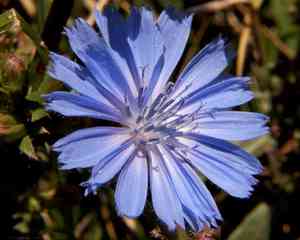
The ideal period for relocating false sow-thistle is as late spring transitions into the gentle warmth of early summer, which encourages robust development. Select a bright area with soil that drains effectively to accommodate false sow-thistle, providing it with an optimal beginning in its new environment.
What Preparations are Needed Before Transplanting False Sow-thistle?
What is the Ideal Time for Transplanting False Sow-thistle?
The optimal period for relocating false sow-thistle is from late spring to early summer. This timing, occurring after the final frost but prior to peak heat, leverages false sow-thistle's ability to adapt to mild temperatures, promoting better root establishment. Moving false sow-thistle during this window allows it to adjust and thrive, benefiting from longer days and moderate nights. It's a time when the soil is sufficiently warm for root development but not so hot as to stress the newly transplanted false sow-thistle. This strategic approach provides false sow-thistle with an excellent start, leading to a vigorous growth season.
How Much Space Should You Leave Between False Sow-thistle Plants?
Before placing your false sow-thistle in its new spot, ensure ample room for growth! Aim for a separation of approximately 8-12 inches (20-30 cm). This adequate spacing permits your plants to develop without competing for nutrients and sunlight.
What is the Best Soil Mix for False Sow-thistle Transplanting?
Thriving false sow-thistle prefer soil that drains effectively. Start by incorporating some organic compost into your garden bed. This will establish a fertile foundation. Adding a slow-release fertilizer will supply your false sow-thistle with the necessary nutrients for robust and healthy development.
Where Should You Relocate Your False Sow-thistle?
Your false sow-thistle will flourish in a sunny location! Select a site that receives full sun to partial shade. An area that gets 6-8 hours of direct sunlight daily will be ideal for these cheerful plants to prosper.
What Equipments Should You Prepare Before Transplantation False Sow-thistle?
Gardening Gloves
To safeguard your hands while handling soil and plants.
Shovel or Spade
For digging and lifting the false sow-thistle from its current position.
Hand Trowel
For precise digging, especially useful when dealing with smaller plants.
Watering Can or Hose
For hydrating the false sow-thistle before and after relocation.
Pruning Shears
For trimming any dead or excess foliage prior to transplanting.
Wheelbarrow or Garden Cart
For moving the false sow-thistle and soil if required.
Measuring Tape
To determine the correct spacing between plants during transplanting.
How Do You Remove False Sow-thistle from the Soil?
How Do You Remove False Sow-thistle from the Soil?
From Ground: Thoroughly water the false sow-thistle before beginning the transplant process. Use a shovel to dig around the plant, ensuring you go deep enough to encompass the entire root ball. Gently lift the plant from the soil to minimize root damage.From Pot: Water the false sow-thistle and tap the pot's sides to loosen the soil. Invert the pot and support the plant as you carefully slide it out. Support the root ball with your hand to prevent it from disintegrating.From Seedling Tray: Moisten the soil in the tray before transplanting. Use a hand trowel or similar tool to carefully lift each false sow-thistle seedling, making sure to extract as much of the root system as possible.
Step-by-Step Guide for Transplanting False Sow-thistle
Initial Preparation
Ensure the false sow-thistle is adequately watered, which aids in reducing transplant shock.
Digging the New Hole
Use a shovel to excavate a hole twice the width of the root ball and of equal depth to avoid burying the stem too deeply.
Placing the Plant
Position the false sow-thistle in the center of the new hole, spreading its roots outward. Adjust the plant so it stands upright and at the same level it was previously growing.
Refilling the Hole
Partially backfill the hole with soil and gently firm it to eliminate air pockets. Water the plant, then continue filling the hole with soil.
Final Adjustments
Once the false sow-thistle is planted, lightly press the soil around its base and create a water basin to help direct water to the roots.
Watering
After transplanting, thoroughly water the false sow-thistle to settle the soil and aid in its recovery.
How Do You Care For False Sow-thistle After Transplanting?
Regular Watering
Ensure the false sow-thistle receives sufficient water, especially during the initial weeks as it establishes itself in its new location. The soil should remain moist to the touch but not waterlogged.
Weeding
Remove competing weeds that can deprive the false sow-thistle of nutrients and water. Consistent weeding will help your plant flourish.
Mulching
Apply a layer of mulch around the base of the false sow-thistle to help retain moisture, regulate soil temperature, and suppress weed growth.
Monitoring
Observe your false sow-thistle for signs of stress, such as wilting or discolored leaves, and address any issues promptly to ensure healthy development.
Troubleshooting Common Issues with False Sow-thistle Transplantation.
What's the optimal period to transplant false sow-thistle?
The best time to move false sow-thistle is during the mild conditions of late spring through early summer.
How far apart should I space false sow-thistle during transplanting?
Aim for a spacing of approximately 8-12 inches (20-30 cm) to allow false sow-thistle ample room to thrive.
Why are my false sow-thistle seedlings wilting after transplant?
Wilting may indicate transplant shock. Ensure careful handling and adequate moisture as they acclimate.
How deep should I plant false sow-thistle when transplanting?
Transplant false sow-thistle at the same depth they were growing in their previous spot, typically not exceeding 2 inches (5 cm).
Can I transplant false sow-thistle on a sunny day?
Transplant false sow-thistle on an overcast day or in the late afternoon to minimize stress from intense sunlight.
Should I water false sow-thistle immediately after transplanting?
Yes! Water false sow-thistle generously right after transplanting to promote good root-to-soil contact.
How can I prevent transplant shock in false sow-thistle?
Gradually acclimate false sow-thistle, keep roots moist during the move, and initially shield them from harsh conditions.
What kind of soil is best for transplanting false sow-thistle?
A comfortable bed of well-draining, nutrient-rich soil is ideal for false sow-thistle's new roots to prosper.
How do I handle false sow-thistle's roots when transplanting?
Be gentle. Disturb the roots of false sow-thistle as little as possible, keeping the root ball intact.
Can I use fertilizer when transplanting false sow-thistle?
Hold off on fertilizer. Allow false sow-thistle a few weeks to adjust, then provide gentle nourishment as needed.



