How to Prune False sow-thistle?
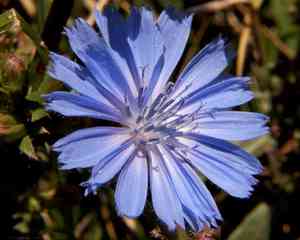
Crepis capillaris, a perennial herbaceous plant, thrives with deeply cut foliage and vibrant yellow flowers resembling those of dandelions. To achieve peak development, trim faded blooms and aged leaves on a seasonal basis, immediately following the height of its spring flowering period and once more in early autumn to sustain its vigor. Summer trimming helps manage the expansive growth pattern of Crepis capillaris. Strategic cuts deter self-propagation and foster a dense, full aesthetic. Disinfect pruning tools to prevent the transmission of pathogens, making sure every incision is precise and angled for rapid recovery.
What Are the Benefits of Pruning False Sow-thistle?
What Are the Benefits of Pruning False Sow-thistle?
Trimming false sow-thistle promotes vigorous development and helps maintain its desired form, ensuring an attractive and strong plant. This practice fosters a more robust structure and healthier existence for false sow-thistle.
What Is the Best Time for Pruning False Sow-thistle?
What Is the Best Time for Pruning False Sow-thistle?
Spring trimming aids in removing any dead or damaged leaves from false sow-thistle, which is crucial for new growth and vitality as the plant emerges from winter dormancy. Early Summer is an opportune time to prune false sow-thistle, especially to shape the plant or manage its size, preventing it from expending energy on unwanted or excessive growth. This timing allows the plant to recover before the peak of summer stress. Fall pruning is advantageous as it prepares false sow-thistle for winter by eliminating old growth and any diseased parts, decreasing the likelihood of fungal infections and other ailments during damp, cooler weather. However, it's vital to avoid pruning late in the Fall, as new growth might not have enough time to harden off before the first frost.
What Tools Do I Need to Prune False Sow-thistle?
Hand Pruners
Perfect for making precise cuts on false sow-thistle's stems, as they enable selective removal of leaves and non-woody stems without harming the plant.
Pruning Shears
Suitable for trimming back false sow-thistle's herbaceous growth, these provide a clean cut that helps prevent disease entry and encourages healthy regrowth.
Gloves
Though not a cutting tool, gloves are essential for handling false sow-thistle safely, particularly for protection against any potential skin irritants in its sap or foliage.
Garden Scissors
Appropriate for finer or detailed pruning tasks on false sow-thistle, such as thinning out small and soft stems or deadheading.
How to Prune False Sow-thistle
Clean tools
Clean and sanitize pruning shears before beginning to prevent the spread of disease to false sow-thistle.
Select leaves
Identify withered or yellowed leaves on false sow-thistle that require trimming. These are often older, lower leaves on the plant.
Cut leaves
Using the pruning shears, make a clean cut at the base of each withered leaf, close to the main stem of false sow-thistle but without causing damage.
Dispose
Remove and discard all pruned material away from false sow-thistle to prevent potential reinfestation of pests or diseases.
Water management
After pruning, adjust watering practices if necessary, as false sow-thistle may require less water due to the reduced foliage load.
Common Pruning Mistakes with False Sow-thistle
Over-pruning
Removing too much foliage at once can stress false sow-thistle, which may lead to stunted growth or a weak plant. Pruning no more than one-third of the overall plant at a time is a safer approach.
Improper cut angles
Cutting branches or stems flat across or at a downward angle can cause water to accumulate on the cut surface, potentially leading to rot or diseases. Angled cuts are preferable to allow water runoff.
Using dull tools
Dull pruning tools can damage false sow-thistle's stems and branches, leaving ragged cuts that are more susceptible to infection. Always use sharp, clean tools for clean cuts.
Pruning active growth
False sow-thistle should not be pruned when it's in the midst of active growth, except for removing dead or diseased parts. This can disrupt its development.
Ignoring plant shape
Pruning without considering the natural shape of false sow-thistle can result in an unattractive and unbalanced appearance. Prune with the plant’s form in mind to maintain its aesthetic integrity.
Common Pruning Tips for False Sow-thistle
Identify dead diseased growth
Regularly inspecting false sow-thistle and promptly removing dead, dying, or diseased foliage will help maintain its health and appearance without compromising the plant's vitality.
Make diagonal cuts
When pruning false sow-thistle, make cuts at a 45-degree angle about 1/4 inch above a bud facing the outside of the plant. This encourages healthy new growth in the desired direction.
Clean pruning tools
Before and after pruning false sow-thistle, clean your tools with a disinfectant to prevent the spread of diseases between plants.
Follow natural form
Prune false sow-thistle by following its natural shape, gently shaping the plant rather than imposing an unnatural form, which could harm the plant or limit its growth.
Thinning over crowding
Thin out crowded areas to improve air circulation within false sow-thistle, which will reduce the risk of pests and diseases, and encourage more robust growth.



