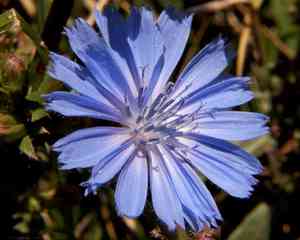
False sow-thistle (Reichardia tingitana)
Also known as: False Sowthistle, False Hawk's Beard
**False sow-thistle** (*Reichardia tingitana*) is a vibrant yellow flower that flourishes in saline soil conditions. Named for its resemblance to sow-thistles, this plant originates from the Mediterranean. After being introduced to Australia, it has proliferated and become a common weed.
In This Article
Attributes of False sow-thistle
Lifespan
Annual, Perennial
Plant Type
Herb
Plant Height
20 cm
Spread
Not applicable
Leaf Color
Green
Flower Size
2.5 cm to 3.5 cm
Flower Color
Yellow Brown
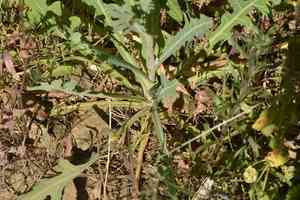
Images of False sow-thistle
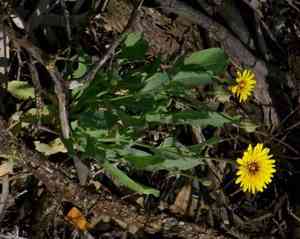
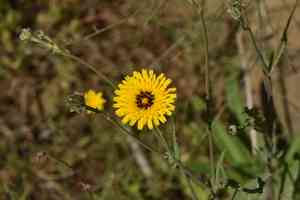
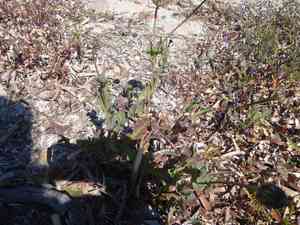
Quickly Identify False sow-thistle
1
Reichardia tingitana can be identified by its yellow flowers, which resemble dandelions but are slightly larger. The leaves are generally elongated and slightly lobed, and the plant produces milky sap when cut.
Scientific Classification of False sow-thistle
Phylum
Vascular plants
Class
Dicotyledons
Order
Asterales
Family
Daisy
Genus
Brighteyes
Species
False sow-thistle
Planting and Growing of False sow-thistle
Care Difficulty
Easy
Watering Schedule
Every 2 days
Sunlight Requirements
Full sun
Sunshine Duration
6-10 hours
Ideal Temperature
68-77℉
Soil Type
Potting Mix, Peat Mix
Soil pH
6.5-7.5
Fertilizer Type
Balanced
Pruning Season
Spring, Summer
Pruning Area
Branches, Leaves
Pruning Frequency
2 times a year
Repotting Season
Spring
Pot Type
Ceramic, Plastic
 How to Water False sow-thistle?
Reichardia tingitana requires moderate watering. Aim to provide about 200 milliliters per session. Ensure the water reaches the roots and allows the soil to be moist but never soggy. This helps in promoting healthy root development and prevents waterlogging.
What are the symptoms of an underwatered False sow-thistle?
›
What should I do if my False sow-thistle is not getting enough water?
›
What are the symptoms of an overwatered False sow-thistle?
›
How to save an overwatered False sow-thistle?
›
 What Are the Sunlight Requirements for False sow-thistle?
Reichardia tingitana does best with full sun exposure. This light intensity facilitates lush growth, vibrant blooms, and robust health, helping the plant maintain its ornamental appeal.
More About Sunlight Requirements Techniques→
What is the preferred light condition for Reichardia tingitana?
›
How to achieve ideal lighting conditions for Reichardia tingitana?
›
What are the benefits of ideal lighting for Reichardia tingitana?
›
 What Is the Ideal Temperature Range for False sow-thistle?
The optimal temperature range for Reichardia tingitana is between 68°F and 77°F. This range ensures robust growth and enhances photosynthesis, leading to a thriving plant. Temperatures within this range allow the plant to efficiently perform physiological processes essential for growth and development.
 What Soil is Best for False sow-thistle?
Reichardia tingitana favors soils with excellent drainage to prevent root rot. This requirement ensures that water does not accumulate around the roots, which helps in maintaining healthy plant growth and prevents fungal infections. The plant thrives in nutrient-rich soils that provide essential minerals for optimal growth. This requirement ensures that the plant receives adequate nutrition, promoting robust foliage and vibrant blooms. While not overly demanding, Reichardia tingitana benefits from soil with moderate organic matter, enhancing soil structure and fertility, thereby improving water retention and providing a steady supply of nutrients.
 How to Fertilize False sow-thistle?
The recommended fertilizer amount for Reichardia tingitana involves applying a balanced liquid fertilizer with low nitrogen content. Use approximately a half-to-three-quarters strength of the general-purpose formula monthly to avoid overfeeding this delicate plant.
 How to Prune False sow-thistle?
Begin by removing any dead or diseased leaves or stems, using sharp scissors or pruning shears to make clean cuts. Aim to cut just above a leaf node to encourage new growth. Trim back any leggy or excessively long stems to maintain a compact shape. To boost flower production, deadhead the spent blooms regularly. By cutting back to the nearest healthy leaf node, you stimulate the plant to invest energy into forming new, vibrant blossoms instead of seed production.
More About Pruning Techniques→
 How to Propagate False sow-thistle plant?
1
Begin by filling seed trays with a well-draining seed starting mix. Ensure the soil is moist but not waterlogged before sowing the seeds. This stage is crucial to provide the seeds with an optimal environment for germination.
2
Sow the seeds on the surface of the prepared soil, pressing them down gently. Do not cover the seeds with soil, as they require light to germinate. Space seeds adequately to ensure they have enough room to grow.
3
Place the seed trays in a warm, well-lit area but away from direct sunlight to avoid overheating. Keep the soil consistently moist by misting it daily with a spray bottle.
 How to Repot False sow-thistle plant?
1
Reichardia tingitana should be repotted when you notice roots spiraling around the base of the pot or emerging through drainage holes. Additionally, if the plant's growth stagnates, it indicates a need for repotting. The best time is during its active growing seasons, namely spring or summer, when the plant experiences vigorous growth and can quickly acclimate to its new environment.
2
Choose a pot that is about 2 inches larger in diameter than the current one. Ensure it has ample drainage holes to avoid waterlogging, which can lead to root rot. A pot with proper aeration supports healthy root development and prevents stagnation of excess moisture, ensuring the plant thrives in its new home.
3
Opt for a well-draining sandy loam soil that mimics its natural habitat. This type of soil mix will provide sufficient drainage and aeration, preventing the roots from sitting in water and thereby reducing the risk of root rot. The improved drainage supports lush growth and a healthier plant.
Learn More About False sow-thistle Diseases
Anthracnose
Bacterial Leaf Spot
Bacterial Soft Rot
Bacterial Wilt
Chemical Injury
Crown Gall
Cyst Nematode
Damping-off
Downy Mildew
Drought Stress
Fusarium Wilt
Gray Mold
Leaf Spot
Mosaic
Nutrient Deficiency
Nutrient Toxicity
Powdery Mildew
Root Rot
Root-knot Nematode
Rusts
Sooty Mold
Spider Mites
Temperature Stress
Thrips Damage
White Mold



