How Much Sunlight Do False sow-thistle Need?
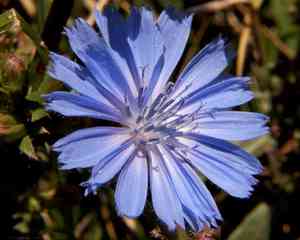
1
False sow-thistle flourishes in bright, direct sunlight, needing more than six hours each day.
2
Although it can endure some shade, its best development occurs with complete sun exposure.
3
Incorrect light conditions can result in poor growth and health problems for False sow-thistle.
Optimal Light Requirements for False sow-thistle
Preferred Light Strength
False sow-thistle flourishes in strong, direct light. For optimal development, aim to provide it with full sun conditions. This means exposing the plant to over 6 hours of direct sunlight daily. The strength and quality of light are crucial for maintaining the plant's health and vigor.
Daily Light Exposure
Consistent daily light is vital for the False sow-thistle. Ideally, ensure the plant receives more than 6 hours of direct sunlight each day. This aids the plant in photosynthesis, leading to improved growth and blooming. When cultivating False sow-thistle in areas with limited sun, position it in the brightest available spot.
Seasonal Light Fluctuations
Seasonal shifts can impact the quantity and intensity of light your False sow-thistle receives. During summer, longer days naturally offer more light, which is perfect for its growth. However, in winter, reduced daylight might require adjusting plant placement or using supplemental lighting to maintain ideal light conditions.
Impacts of Inadequate Light on False sow-thistle
Excessive Light Exposure
Exposing False sow-thistle to too much light can cause leaf burn and scorching. While this plant loves the sun, extremely high light intensity, especially in hot climates, might necessitate some afternoon shade to prevent damage. Always observe the plant for signs of stress, such as yellowing foliage.
Insufficient Light Exposure
Inadequate light can be harmful to the False sow-thistle. A lack of sufficient light will result in stunted development, leggy or elongated stems, and reduced flowering. Be sure to place the plant in the brightest location available and consider using grow lights if natural light is not feasible.
Best Spots for Cultivating False sow-thistle
Outdoor Locations
When planting False sow-thistle outdoors, select a site that offers full sun exposure. Ideal spots include south-facing gardens or areas not shaded by taller plants or structures. Ensure the location has well-draining soil to complement the light and prevent root rot.
Indoor Placement
For indoor cultivation, position False sow-thistle in the sunniest window available, typically a south-facing one. If natural light is insufficient, supplement with artificial grow lights, ensuring the plant receives the necessary light intensity and duration to thrive.
Adjusting to Changing Light Conditions
Adapting for Seasonal Changes
As seasons progress, so does light intensity and duration. In winter, you might need to move your False sow-thistle closer to windows that receive maximum light or use grow lights to simulate longer daylight hours. During summer, be wary of overly intense midday sun and consider some shading if needed.
Utilizing Artificial Illumination
When natural light is insufficient, artificial lighting can greatly benefit False sow-thistle. Use full-spectrum grow lights to mimic the sun's natural spectrum. Position the lights near the plant and ensure an exposure time of 12-16 hours daily to compensate for any light deficiencies.



