How to Transplant Coast oak?
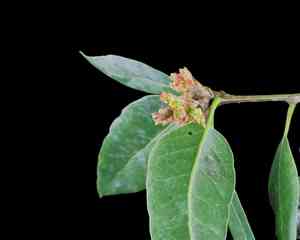
Coast oak transplants most effectively in warmer seasons following spring, since the ground holds moisture and temperatures foster root development. Select a bright spot with soil that drains efficiently. Supply plenty of water right after relocation to facilitate adaptation.
What Preparations are Needed Before Transplanting Coast Oak?
What is the Ideal Time for Transplanting Coast Oak?
For best outcomes, relocate coast oak during the latter part of spring into early summer. This period ensures the ground is sufficiently warm to encourage robust root development, maximizing the plant's ability to settle in its new spot. Additionally, milder temperatures and frequent rainfall during these seasons promote vigorous growth and lessen the chance of transplant shock.
How Much Space Should You Leave Between Coast Oak Plants?
When relocating coast oak, aim for a separation of 30-40 feet (9-12 meters) between each specimen. This will guarantee ample room for their growth without competing for essential resources.
What is the Best Soil Mix for Coast Oak Transplanting?
Prepare well-draining soil, incorporating loamy or sandy components for coast oak. Adding a foundational layer of compost or aged manure will supply vital nutrients. Steer clear of heavy clay soils, as they hold too much water and could harm the roots.
Where Should You Relocate Your Coast Oak?
Select a sunny spot for coast oak to flourish. They require full sun, meaning at least 6 hours of direct sunlight daily. Choose an area that receives abundant sunlight throughout the day to ensure healthy development.
What Equipments Should You Prepare Before Transplantation Coast Oak?
Gardening Gloves
To safeguard your hands while handling soil and plants.
Shovel or Spade
For excavating and lifting the plant from the ground.
Garden Trowel
Useful for precise digging or smaller plants.
Pruning Shears
To trim any damaged roots or foliage.
Watering Can/ Hose
To hydrate the plant during the process.
Wheelbarrow
For transporting the plant if it is large or heavy.
Mulch
To cover the plant's base after relocation.
How Do You Remove Coast Oak from the Soil?
How Do You Remove Coast Oak from the Soil?
From Ground: First, moisten the coast oak plant to dampen the soil. Then, excavate a wide trench around the plant using a shovel or spade, ensuring the plant's root ball remains intact. Carefully work the spade beneath the root ball to lift the plant from its original position.From Pot: Gently water the coast oak plant to loosen the soil. If the plant is in a plastic container, lightly squeeze the sides to detach the soil. Carefully tilt the pot and slide the plant out by grasping the base of the stem.From Seedling Tray: Water the tray before removal to moisten the soil. Use a garden trowel to gently lift each coast oak seedling from the tray, taking care to keep the root system intact.
Step-by-Step Guide for Transplanting Coast Oak
Prepare the New Site
Dig a hole that is twice the width and the same depth as the root ball of the coast oak.
Check the Roots
Inspect the roots for damage and trim off any broken or excessively long roots using pruning shears.
Place the Plant
Position the coast oak in the center of the hole, spreading out the roots. Ensure the top of the root ball is level with the ground surface.
Fill the Hole
Backfill the hole with soil, gently firming it around the roots to eliminate air pockets.
Water Thoroughly
Give the coast oak a deep watering to help settle the soil and hydrate the roots.
Apply Mulch
Spread mulch around the base of the plant to retain moisture and regulate soil temperature.
How Do You Care For Coast Oak After Transplanting?
Watering
Keep the soil around the coast oak consistently moist, but not waterlogged, for the initial few weeks after transplanting to aid in establishing strong roots.
Protection
If transplanting during hot or windy conditions, provide temporary shade or wind protection to lessen stress on the plant.
Monitoring Growth
Regularly check for any indications of transplant shock, such as wilting or yellowing leaves, and adjust care as necessary.
Troubleshooting Common Issues with Coast Oak Transplantation.
When is the best time to transplant coast oak?
The optimal time to transplant coast oak is late spring to early summer for peak growth.
What is the ideal spacing for transplanting coast oak?
Space each coast oak 30-40 feet (9-12 meters) apart to ensure adequate room for development.
How do I prepare the soil for transplanting coast oak?
Loosen the soil to a depth of 10 inches (25 cm) and incorporate organic matter.
How large should the root ball be when transplanting coast oak?
Ensure the root ball is at least 12-18 inches (30-45 cm) wide for mature plants.
What should I do if coast oak wilts after transplanting?
Water deeply and regularly, ensuring soil is consistently moist but not waterlogged.
How can I reduce transplant shock for coast oak?
Water immediately after transplanting and provide partial shade for the first few weeks.
What type of mulch is best for transplanted coast oak?
Use organic mulch, such as wood chips or bark, to retain moisture and regulate soil temperature.
Should I fertilize coast oak after transplanting?
Avoid fertilizing immediately after transplanting; wait for new growth to establish before fertilizing lightly.
How often should I water coast oak after transplanting?
Water thoroughly twice a week for the first month, then gradually reduce frequency.
What is the best way to support coast oak after transplanting?
Stake the plant if necessary, using soft ties to avoid damaging the trunk and branches.



