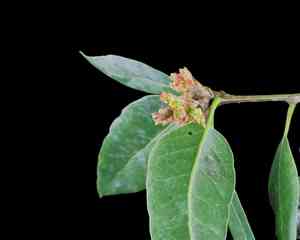
Coast oak (Quercus parvula)
Also known as: Shreve oak
Coast oak, or Quercus agrifolia, is a versatile small to medium-sized tree that often grows with multiple stems, giving it a bushy appearance. Its evergreen leaves are small, thick, and glossy with a leathery feel and toothed edges. To thrive in its dry summer habitat, coast oak has developed several adaptations. It features an extensive root system that reaches deep into the soil to access groundwater. The tree’s reproductive strategy includes producing small acorns with shallowly scaled caps. These characteristics collectively enable the coast oak to withstand arid conditions effectively.
In This Article
Attributes of Coast oak
Lifespan
Perennial
Plant Type
Tree
Plant Height
15-25 meters
Spread
10-20 meters
Leaf Color
Dark green
Flower Size
Not prominent
Flower Color
Not prominently colored; typically greenish
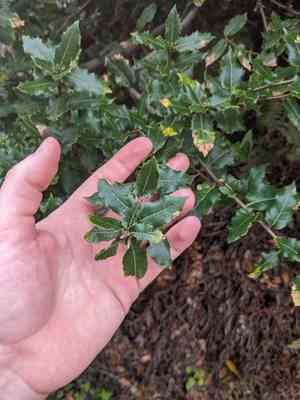
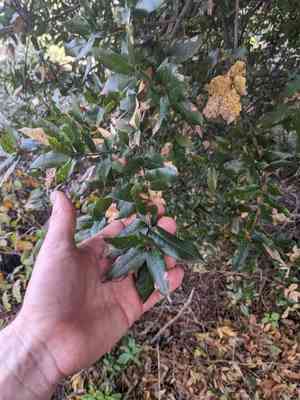
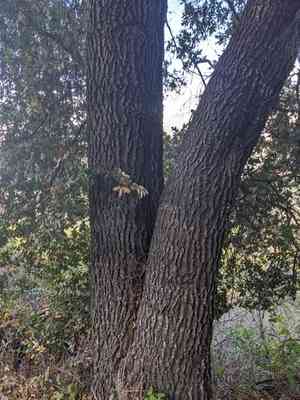
Images of Coast oak
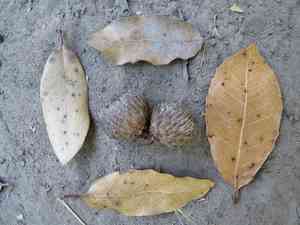
Quickly Identify Coast oak
1
Quercus parvula can be identified by its leathery, dark green leaves that are often toothed along the edges. The tree has a rough, ridged bark and produces small, slender acorns.
Scientific Classification of Coast oak
Phylum
Vascular plants
Class
Dicotyledons
Order
Fagales
Family
Beech
Genus
Oaks
Species
Coast oak
Planting and Growing of Coast oak
Care Difficulty
Moderate
Watering Schedule
Every 2 days
Sunlight Requirements
Partial sun
Sunshine Duration
4-6 hours
Ideal Temperature
55-75℉
Soil Type
Potting Mix, Peat Mix
Soil pH
6.5-7.5
Fertilizer Type
Balanced
Pruning Season
Spring, Summer
Pruning Area
Branches, Leaves
Pruning Frequency
2 times a year
Repotting Season
Spring
Pot Type
Plastic, Ceramic
 How to Water Coast oak?
When watering Quercus parvula, aim to soak the soil thoroughly until water begins to drain from the bottom. This ensures the roots receive adequate moisture without becoming waterlogged. Always check the top few inches of soil before watering again, making sure they are dry to the touch.
What are the symptoms of an underwatered Coast oak?
›
What should I do if my Coast oak is not getting enough water?
›
What are the symptoms of an overwatered Coast oak?
›
How to save an overwatered Coast oak?
›
 What Are the Sunlight Requirements for Coast oak?
This species thrives in partial sun. Ideal light enhances leaf coloration and overall plant vigor, allowing the tree to maintain efficient metabolic processes.
What are the best sunlight conditions for Quercus parvula?
›
How can I ensure optimal lighting for my Quercus parvula?
›
What will happen if Quercus parvula receives ideal lighting?
›
 What Is the Ideal Temperature Range for Coast oak?
The ideal temperature range for Quercus parvula, or the Coast Live Oak, is between 55°F and 75°F. This range provides the best conditions for growth, ensuring optimal photosynthesis and metabolism. Maintaining this range minimizes stress on the plant, promoting healthy foliage and growth.
 What Soil is Best for Coast oak?
Quercus parvula thrives best in well-drained soil. This type of soil prevents waterlogging, which can lead to root rot. A well-drained environment ensures roots receive adequate oxygen, promoting healthy growth and nutrient uptake. The presence of organic matter in the soil enhances nutrient availability and retains moisture. This is crucial for Quercus parvula as it supports robust growth and helps maintain a healthy ecosystem around the plant. While Quercus parvula can tolerate some drought, it prefers soil that retains moderate moisture. Consistent moisture supports foliage health and vigorous growth, making the tree an attractive landscape feature.
 How to Fertilize Coast oak?
For Quercus parvula, use a balanced fertilizer with an N-P-K ratio around 10-10-10. During the growing season, apply about 1 pound (approximately 0.45 kg) of granular fertilizer per inch of trunk diameter, spreading it evenly under the canopy's drip line.
 How to Prune Coast oak?
Start by identifying the dead or diseased branches and cut them back to their base. Use sharp, clean pruning shears to make precise cuts at a slight angle just above a healthy bud or lateral branch. This ensures good healing and growth. Focus on opening up the tree's canopy to increase light penetration and air circulation, which are vital for the tree's health. In younger trees, establish a strong framework of branches to shape the tree as it grows.
More About Pruning Techniques→
 How to Propagate Coast oak plant?
1
Gather acorns from the parent tree in autumn once they have naturally fallen to the ground. Choose acorns that are healthy, free from damage, and have a glossy exterior.
2
Select healthy branches for cutting during early spring. Cut a segment of about 6-8 inches in length, ensuring it has several leaves. Dip the cut end in rooting hormone to encourage root growth.
3
In early spring, take scion wood from the desired oak variety. Ensure the scion and rootstock are similar in diameter. Use a grafting knife to make a clean cut and bind them tightly together with grafting tape.
 How to Repot Coast oak plant?
1
Look for signs like roots emerging from the pot's drainage holes or the soil drying out much faster than usual. These signals indicate that the Quercus parvula needs more room to grow and should be repotted. Spring and early summer are ideal times because they allow the oak time to settle into its new pot during the active growth season.
2
Select a pot that is at least 2 inches larger in diameter than the current one. A pot made of breathable materials like terracotta is beneficial, as it improves aeration and reduces the risk of root rot. Ensure it has ample drainage holes to prevent waterlogged soil, which can cause root damage.
3
Opt for a well-draining loamy mix that retains some moisture while allowing excess to escape easily. This kind of soil mimics the natural environment of the Quercus parvula, ensuring healthy root development. Adding components like perlite or coarse sand can enhance drainage further.
Toxicity
Ingestion
WARNING
The judgment on toxicity and danger is for reference only. We DO NOT GUARANTEE any accuracy of such judgment. Therefore, you SHALL NOT rely on such judgment. It is IMPORTANT TO SEEK PROFESSIONAL ADVICE in advance when necessary.
Learn More About Coast oak Diseases
Anthracnose
Bacterial Leaf Spot
Black Spot
Chemical Injury
Crown Gall
Cyst Nematode
Damping-off
Downy Mildew
Drought Stress
Fusarium Wilt
Gray Mold
Leaf Curl
Leaf Spot
Mosaic
Nutrient Deficiency
Nutrient Toxicity
Powdery Mildew
Root Rot
Root-knot Nematode
Rusts
Sooty Mold
Spider Mites
Temperature Stress
Thrips Damage
White Mold



