How to Prune Coast oak?
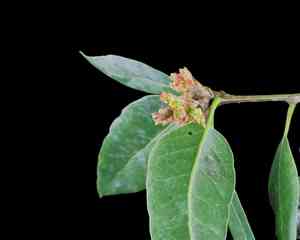
Quercus agrifolia, a robust evergreen tree, is recognized for its thick foliage and twisted limbs. The most suitable periods for trimming Quercus agrifolia are in early spring and late winter. Concentrate on excising lifeless or ailing branches to preserve its well-being and structure, and reduce congested sections to facilitate improved air movement and light exposure. Consistent trimming fosters vigorous development and can aid in deterring pest outbreaks. Always employ sanitized, keen implements to lessen harm and aid recovery.
What Are the Benefits of Pruning Coast Oak?
What Are the Benefits of Pruning Coast Oak?
Trimming coast oak encourages robust development, maintains its form, improves air circulation, and lowers disease susceptibility. Regular cutting fosters healthy branching, preventing congestion and enhancing overall beauty and resilience.
What Is the Best Time for Pruning Coast Oak?
What Is the Best Time for Pruning Coast Oak?
Pruning coast oak in early spring or late winter is optimal as the plant remains dormant. Trimming during this inactive period minimizes plant stress and promotes vigorous growth in the upcoming season. Additionally, this timing facilitates easy identification and removal of dead or damaged branches without disrupting the plant's natural growth cycle or its flowering and fruiting phases. Pruning outside these seasons can cause undue stress, making the plant more vulnerable to pests and diseases.
What Tools Do I Need to Prune Coast Oak?
Bypass Pruners
Bypass pruners are perfect for making precise cuts on living wood and small branches, which helps prevent the spread of illnesses.
Lopping Shears
Loppers are suitable for cutting thicker branches, typically up to 2 inches in diameter, which is essential for managing the canopy and structure of coast oak.
Pruning Saw
A pruning saw is crucial for removing larger branches that are too thick for loppers. It ensures smoother cuts on more substantial limbs, minimizing harm to the plant.
Pole Pruner
For branches that are out of reach, a pole pruner allows you to safely cut higher branches without the need for a ladder, reducing risk and providing better access.
Hand Pruners
Hand pruners are useful for detailed work and fine pruning, such as trimming smaller twigs and refining the shape of coast oak.
How to Prune Coast Oak
Assess
Identify dead and diseased branches. Dead branches will be brittle and snap easily, while diseased branches may show signs of discoloration or fungal growth.
Sterilize
Before starting, sterilize pruning shears with a solution of one part bleach to nine parts water to prevent the spread of disease.
Remove dead
Cut away dead branches at their base or back to a healthy junction. Ensure the cut is clean to avoid any tearing.
Cut diseased
Prune diseased branches by cutting at least 6-12 inches below the visible signs of disease. Dispose of these cuttings away from healthy plants.
Clean up
After pruning, re-sterilize your tools and clean up fallen debris to prevent the spread of disease.
Common Pruning Mistakes with Coast Oak
Improper Technique
Using improper techniques can result in jagged cuts that do not heal well, making coast oak susceptible to diseases and pests.
Over-pruning
Excessive pruning can stress coast oak, leading to weakened growth or even dieback. Removing too much foliage reduces the plant's ability to photosynthesize.
Incorrect Tools
Using dull or inappropriate tools can damage the plant tissue, leading to poor healing and increased risk of infection.
Topping
Cutting off the tops of coast oak can create an unnatural appearance and lead to weak regrowth.
Common Pruning Tips for Coast Oak
Sharp Tools
Always use sharp, clean pruning shears or saws to make clean cuts that heal quickly and reduce the risk of infection.
Cautious Pruning
Remove only dead, diseased, or damaged branches, and be mindful of not removing more than 20-30% of the plantâs foliage at once.
Cut at Nodes
Prune back to a growth node or branch collar to promote healthy regrowth. This will help maintain the natural shape and structure of coast oak.
Angle Cuts Correctly
Make cuts at an angle to ensure water runs off and does not collect on the cut surface, which could lead to rot.
Sanitize Tools
Regularly sanitize pruning tools between cuts, especially when working on diseased branches, to prevent the spread of pathogens.
Monitor Regrowth
After pruning, monitor coast oak for new growth and make minor adjustments as needed to ensure it develops a strong, healthy structure.



