How to Propagate Coast oak?
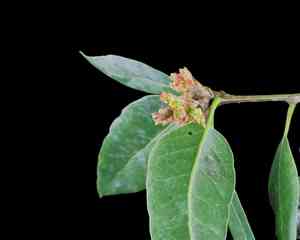
Quercus agrifolia, a species indigenous to coastal regions, can be effectively multiplied by utilizing sections from robust limbs. Verify that the cuttings are sourced from semi-lignified shoots. Employ a rooting stimulant to boost the likelihood of success and insert the cuttings into a substrate that drains effectively. Preserve uniform dampness and offer diffused illumination while roots are forming. Adhering to these specific procedures can result in the prosperous propagation and integration of Quercus agrifolia into your garden.
Optimal Period for Coast Oak Propagation
Propagation Method
Cutting
Propagation Period
Autumn,Winter
Tools Required for Coast Oak Propagation
Sharp Pruning Shears
Crucial for obtaining clean, precise cuttings from coast oak. A clean cut minimizes harm and lowers disease risk, boosting successful rooting.
Sterilized Gardening Knife
Utilized for making additional cuts or trimming plant sections. Sterilizing the blade helps prevent infection and illness, ensuring healthier cuttings.
Rooting Hormone
Facilitates root development from cuttings by stimulating growth and increasing propagation success. Choose a rooting hormone specifically for hardwood cuttings, suitable for coast oak.
Propagation Trays with Domes
Offer a controlled environment for the cuttings. The trays hold the growing medium, and domes help maintain humidity and temperature, vital for root formation.
Heat Mat
Ensures consistent soil warmth, enhancing root development. For coast oak, maintaining a warm growing medium can significantly accelerate the rooting process.
Misting Bottle
Used to maintain humidity around cuttings without over-saturating. Regular misting keeps leaves hydrated while roots form.
Well-Draining Potting Mix
Provides the correct balance of moisture retention and air circulation. A mix designed for propagation helps prevent waterlogging and encourages healthy root growth.
Labeling Stakes
Aid in tracking cuttings and their progress. Proper labeling is essential to differentiate between growth stages or various coast oak specimens.
How to Propagate Coast Oak?
Propagation Difficulty
Moderately Difficult
Caring for Your Newly Propagated Coast Oak
Caring for Your Newly Propagated Coast Oak
Once rooted, transfer coast oak to a larger pot with quality soil. Water regularly, keeping the soil moist but not soggy. Place in an area with ample sunlight, protecting it from strong winds and extreme temperatures. Check for pests and diseases often, and fertilize during the growing season for healthy growth.
Common Errors to Avoid When Propagating Coast Oak
Overwatering
Excessive water can cause root rot, severely impacting coast oak's root system and overall health.
Improper Soil
Coast oak needs well-draining soil. Using dense or heavy soils can impede root growth and water absorption.
Incorrect Light Exposure
Coast oak requires specific light conditions. Too much or too little light can hinder growth or cause leaf burn.
Failure to Use Fresh Seeds
Using old seeds lowers germination rates, reducing the chances of successful propagation.
Ignoring Pest Control
Neglecting pest management can lead to infestations that harm young plants, making them weak and less likely to thrive.
Tips For Propagating Coast Oak
Use Well-Draining Soil
Ensure soil is loose and drains effectively to promote healthy root development.
Water Sparingly
Water the plant only when the top inch of soil is dry to prevent root rot.
Maintain Proper Light Exposure
Position coast oak where it can receive moderate to full sunlight, avoiding extreme conditions.
Use Fresh Seeds
Opt for recently harvested seeds to increase the chances of germination and successful propagation.
Monitor for Pests
Regularly check for signs of pests and take immediate action to control infestations to protect plant health.



