How to Transplant Silverleaf oak?
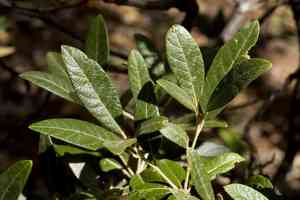
The ideal period for transplanting silverleaf oak spans from the mild conditions of mid-spring to the emerging warmth of late spring, or throughout the dormant cold from early winter to the core of mid-winter. This schedule facilitates root development amidst more temperate climatic conditions. To achieve successful relocation, silverleaf oak requires a location bathed in sunlight with soil that drains effectively. A crucial recommendation: guarantee sufficient room for expansion, as silverleaf oak thrives when its root system and foliage can spread. Adhere to these directives for a flourishing silverleaf oak.
What Preparations are Needed Before Transplanting Silverleaf Oak?
What is the Ideal Time for Transplanting Silverleaf Oak?
The optimal period for relocating silverleaf oak is from early spring through late spring. These months offer mild temperatures and sufficient moisture, promoting robust root development before summer heat. Replanting silverleaf oak during the cooler early to mid-winter window is also advisable. Colder conditions minimize transplant shock, allowing roots to gradually adapt while the plant's above-ground growth is dormant, setting the stage for vigorous spring growth.
How Much Space Should You Leave Between Silverleaf Oak Plants?
When planning the layout for your silverleaf oak, aim for ample room. Allocating 15-30 ft (4.5-9 m) between each plant will provide sufficient space for growth, encouraging a flourishing, healthy canopy. This step ensures each silverleaf oak receives the necessary light and air to thrive.
What is the Best Soil Mix for Silverleaf Oak Transplanting?
Prepare the soil for your silverleaf oak carefully, seeking a well-draining mixture rich in nutrients. Incorporate a balanced, slow-release fertilizer into the ground before planting to give your silverleaf oak an excellent foundation for growth. Ensuring the correct soil will lead to healthier, more vigorous silverleaf oaks.
Where Should You Relocate Your Silverleaf Oak?
Choose a sunny location for your silverleaf oak to flourish! A spot with full sunlight, ideally receiving 6+ hours of direct sun daily, is perfect. This pre-planting selection will result in a strong, magnificent silverleaf oak that will grow robustly in its bright new home.
What Equipments Should You Prepare Before Transplantation Silverleaf Oak?
Gardening Gloves
To safeguard your hands while handling soil and plants.
Shovel or Spade
For excavating the plant and the new planting hole.
Watering Can or Hose
To hydrate the plant before and after its relocation.
Wheelbarrow
To move the silverleaf oak and soil efficiently.
Pruning Shears
To trim any damaged roots or branches prior to transplanting.
Mulch
To help maintain soil moisture and regulate temperature after transplanting.
Root Stimulator
To encourage new root development post-transplant (optional).
Stakes and Ties
For providing necessary support to the silverleaf oak after its relocation.
How Do You Remove Silverleaf Oak from the Soil?
How Do You Remove Silverleaf Oak from the Soil?
From Ground: Hydrate the silverleaf oak to moisten the soil. Dig a wide trench around the plant using a shovel or spade, ensuring to include as much of the root ball as possible. Gently lift the plant from the ground, taking care not to harm the roots.From Pot: Water the silverleaf oak thoroughly. Turn the pot on its side, tap the bottom, and apply gentle pressure to the sides to help loosen the root ball. Carefully slide the plant out of the pot while supporting its base and stem.From Seedling Tray: Water the seedlings to moisten the soil. Use a transplanting tool or your fingers to carefully lift each seedling from the tray, trying to keep as much soil around the roots as possible.
Step-by-Step Guide for Transplanting Silverleaf Oak
Transportation
Carefully place the silverleaf oak onto a wheelbarrow or other suitable transport method to move it to the new site without disturbing the root ball.
Excavation
Dig a hole at the chosen location, making it twice as wide and the same depth as the silverleaf oak's root ball.
Placement
Position the silverleaf oak in the center of the hole, ensuring the top of the root ball is level with the surrounding ground.
Refilling
Gently backfill the hole with soil around the root ball. Firm the soil down around the roots to eliminate air pockets.
Watering
Water the silverleaf oak thoroughly after planting to settle the soil and provide essential hydration.
Mulching
Apply a layer of mulch around the base of the silverleaf oak, avoiding direct contact with the trunk, to help retain soil moisture.
Support
If the silverleaf oak is tall or top-heavy, stake it using stakes and ties to prevent wind damage.
How Do You Care For Silverleaf Oak After Transplanting?
Regular Watering
Maintain a consistent watering schedule to ensure the soil remains moist but well-drained. Be careful not to overwater.
Inspecting
Monitor the silverleaf oak for indications of transplant shock, such as wilting or discolored foliage.
Pruning
Trim any damaged or broken branches to direct the silverleaf oak's energy towards root establishment.
Monitoring Support
Adjust the stakes and ties as the silverleaf oak grows to prevent constriction of its branches and trunk.
Protection
Safeguard the silverleaf oak from pests or physical harm caused by animals or human activities.
Troubleshooting Common Issues with Silverleaf Oak Transplantation.
What's the best time to transplant a silverleaf oak?
Optimal transplanting periods are from mid-spring to late spring or from early winter to mid-winter, providing a gentle transition for the silverleaf oak.
How far apart should I space silverleaf oak when transplanting?
Aim for a generous spacing, planting silverleaf oak 15-30 feet (4.5-9 meters) apart to accommodate their mature size.
Why is my silverleaf oak wilting after transplanting?
Wilting can result from transplant shock. Ensure adequate watering, initially avoid direct sun, and protect from winds to aid recovery.
How much do I water silverleaf oak after transplanting?
Provide thorough watering immediately after transplanting and regularly for several weeks to establish roots without waterlogging the soil.
Should I fertilize silverleaf oak after transplanting?
Refrain from fertilizing immediately after transplanting to prevent burning sensitive roots. Wait until new growth emerges.
How deep should the hole be for transplanting silverleaf oak?
Dig a hole twice as wide and the same depth as the root ball to give silverleaf oak a strong start.
Can I transplant silverleaf oak on a hot, sunny day?
It's best to transplant silverleaf oak on an overcast day or in the late afternoon to minimize stress from heat and sunlight.
My silverleaf oak looks shocked after transplanting. What can I do?
Provide shade, maintain soil moisture, and avoid disturbing the roots. Patience is crucial; silverleaf oak may take time to recover.
Is it necessary to prune silverleaf oak when transplanting?
Minimal pruning to remove damaged branches is advisable, but avoid heavy pruning until silverleaf oak is well-established.
How do I prepare the soil for transplanting silverleaf oak?
Enrich the soil with organic matter for nutrients and ensure it drains well to support healthy silverleaf oak growth.



