How to Prune Silverleaf oak?
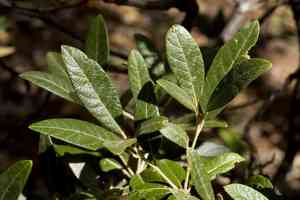
This perennial oak, recognized for the unique light coloration on the undersides of its foliage, thrives with trimming during its inactive period in winter. For silverleaf oak, remove any lifeless or ailing limbs, thin to enhance air circulation, and sculpt for visual appeal or space management. Thinning cuts foster robust development and diminish the likelihood of illness. Performing this maintenance during winter encourages strong spring growth and enables cultivators to readily identify structural problems unhindered by leaves.
What Are the Benefits of Pruning Silverleaf Oak?
What Are the Benefits of Pruning Silverleaf Oak?
Trimming silverleaf oak promotes more robust, energetic development and preserves its desired shape. Regular cutting helps prevent excessive growth, keeping silverleaf oak's size manageable, enhancing its inherent beauty, and fostering a strong framework.
What Is the Best Time for Pruning Silverleaf Oak?
What Is the Best Time for Pruning Silverleaf Oak?
Late winter is considered ideal for pruning silverleaf oak as it's typically a dormant phase for the tree. During this period, sap flow is minimal, reducing the risk of bleeding when cuts are made. This dormancy also precedes the spring growth surge, allowing wounds to heal more efficiently without diverting resources from new development. Pruning in late winter avoids removing buds destined for the upcoming season's growth, and it enables the gardener to clearly view silverleaf oak's structure without leaves, aiding better decisions on which branches to trim. Furthermore, trimming before spring's arrival helps prevent the spread of pests and diseases, which are more active and likely to infect open wounds in warmer weather.
What Tools Do I Need to Prune Silverleaf Oak?
Hand Pruners
Perfect for severing small branches up to ¾ inches in diameter, enabling precise cuts essential for shaping silverleaf oak or removing minor, dead, or diseased wood.
Loppers
With their extended handles and increased leverage, loppers are excellent for reaching into silverleaf oak's denser foliage and cutting branches up to 2 inches in diameter, reducing hand strain for the gardener.
Pruning Saw
For silverleaf oak's larger branches exceeding 2 inches in diameter, a pruning saw is crucial. Its sharp teeth easily handle thicker cuts, vital for maintaining silverleaf oak's health and structure.
Pole Pruner
Given the potential height of silverleaf oak, a pole pruner is indispensable for safely trimming higher branches without needing a ladder, which can pose a safety risk.
Hedge Shears
Though not typically used on silverleaf oak, hedge shears can be useful for trimming and shaping if silverleaf oak is cultivated as a hedge.
How to Prune Silverleaf Oak
Clean tools
Sanitize pruning shears and saws with a solution of one part bleach to nine parts water to prevent disease transmission to silverleaf oak.
Inspect
Thoroughly examine silverleaf oak to identify dead or diseased branches, looking for signs like discoloration, unusual growths, or an absence of leaves and buds.
Cut dead branches
Using the pruners, sever dead branches where they meet healthy wood, ensuring cuts are clean and angled away from the bud to encourage proper healing.
Cut diseased branches
Trim diseased branches by cutting at least several inches into healthy wood beyond the visible signs of disease to ensure all infected material is removed from silverleaf oak.
Disinfect
Clean and sanitize tools after each cut when dealing with diseased wood to prevent pathogen transfer to other parts of silverleaf oak or other plants.
Common Pruning Mistakes with Silverleaf Oak
Over-pruning
Removing excessive foliage from silverleaf oak can shock the plant, hinder its growth, and diminish its vitality.
Improper cuts
Incorrect cutting methods can result in jagged wounds prone to disease and pest infestation.
Ignoring deadwood
Failing to remove dead or diseased branches can compromise silverleaf oak's overall health and appearance.
Disregarding branch structure
Cutting without considering silverleaf oak's natural branch structure can lead to poor form and weak development.
Pruning during active disease periods
Trimming silverleaf oak when it's afflicted by disease can spread pathogens to healthy sections of the plant.
Common Pruning Tips for Silverleaf Oak
Sharp Tools
Utilize clean, sharp pruning tools to make precise cuts that heal quickly, minimizing stress on silverleaf oak.
Selective Pruning
Focus on removing only dead, damaged, or diseased wood, and maintain silverleaf oak's natural shape for optimal health.
Cutting Technique
Make cuts at a slight angle, away from the bud, to promote proper healing and direct new growth outward from silverleaf oak's center.
Branch Collar Preservation
Cut outside the branch collar without leaving a stub to encourage proper healing while avoiding damage to silverleaf oak's trunk.
Balance and Aesthetics
Aim for a balanced canopy that allows light and air penetration to all parts of silverleaf oak, enhancing both health and visual appeal.



