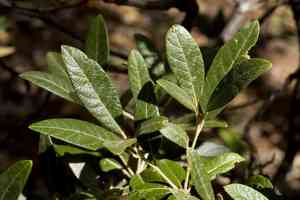
Silverleaf oak (Quercus hypoleucoides)
Also known as: Silverleaf Oak
The silverleaf oak (Quercus hypoleucoides) thrives at high elevations and is indigenous to the southwestern United States and Mexico. It is commonly found in pine-oak forests. Cultivated specimens of this oak are uncommon.
In This Article
Attributes of Silverleaf oak
Lifespan
Perennial
Plant Type
Tree, Shrub
Plant Height
6 m to 9 m
Spread
11 m
Leaf Color
Green Gray Silver
Flower Size
3 cm to 6 cm
Flower Color
Yellow Red Brown
Images of Silverleaf oak
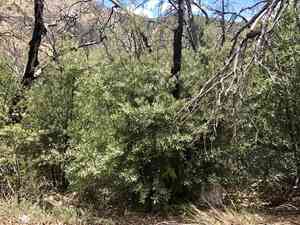
Quickly Identify Silverleaf oak
1
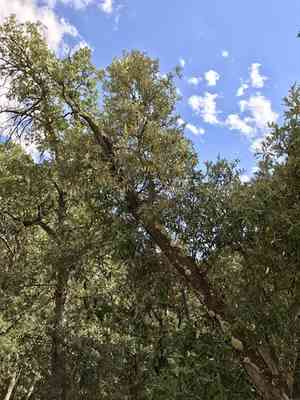
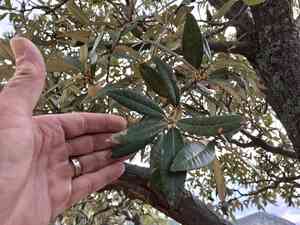
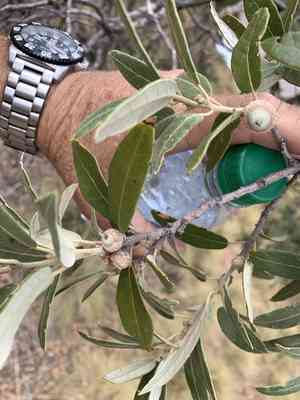
To identify Quercus hypoleucoides, look for its unique silver-white leaf undersides, leathery texture, and elliptical to oblong shape. The tree usually has a rounded crown and dark green upper leaf surfaces.
Scientific Classification of Silverleaf oak
Phylum
Vascular plants
Class
Dicotyledons
Order
Fagales
Family
Beech
Genus
Oaks
Species
Silverleaf oak
Planting and Growing of Silverleaf oak
Care Difficulty
Easy
Watering Schedule
Every 2 days
Sunlight Requirements
Full sun
Sunshine Duration
6-10 hours
Ideal Temperature
65-80℉
Soil Type
Potting Mix, Peat Mix
Soil pH
6.5-7.5
Fertilizer Type
Balanced
Pruning Season
Spring, Summer
Pruning Area
Branches, Leaves
Pruning Frequency
2 times a year
Repotting Season
Spring
Pot Type
Plastic, Ceramic
 How to Water Silverleaf oak?
For Quercus hypoleucoides, watering amounts should be sufficient to moisten the soil without causing waterlogging. Aim to provide around 500 ml of water per session, ensuring the soil is evenly damp but not saturated. Water until you see some drainage from the bottom of the pot, which indicates that the root zone is adequately hydrated.
What are the symptoms of an underwatered Silverleaf oak?
›
What should I do if my Silverleaf oak is not getting enough water?
›
What are the symptoms of an overwatered Silverleaf oak?
›
How to save an overwatered Silverleaf oak?
›
 What Are the Sunlight Requirements for Silverleaf oak?
Partial to full sunlight is ideal for Quercus hypoleucoides, promoting healthy growth and vibrant foliage. Adequate light exposure supports photosynthesis and the plant's robustness against environmental stresses.
More About Sunlight Requirements Techniques→
What are the best lighting conditions for Quercus hypoleucoides?
›
How can I ensure Quercus hypoleucoides gets the right light?
›
What are the benefits of ideal lighting for Quercus hypoleucoides?
›
 What Is the Ideal Temperature Range for Silverleaf oak?
The ideal temperature range for Quercus hypoleucoides is between 65°F to 80°F. Within this range, the plant can photosynthesize efficiently, ensuring robust growth and development. Maintaining this temperature range helps prevent stress and promotes overall health and vitality.
 What Soil is Best for Silverleaf oak?
Quercus hypoleucoides thrives in well-drained soil which allows proper air circulation around the roots, preventing root rot and ensuring healthier growth. Rich, fertile land sporting an abundance of nutrients is ideal for this oak species, fostering robust growth and a sustainable ecosystem for the plant’s long-term health. This oak prefers soils that retain moisture without becoming waterlogged, striking an essential balance that keeps the plant hydrated but not overly saturated.
 How to Fertilize Silverleaf oak?
For Quercus hypoleucoides, it is important to use fertilizer judiciously. A general guideline is to use approximately one-quarter to one-half the recommended amount of an all-purpose fertilizer for trees and shrubs. Over-fertilization can damage the roots and overall health of the plant. When using liquid fertilizers, dilute them to half strength and apply it evenly in the irrigation water to avoid burning the roots.
 How to Prune Silverleaf oak?
Begin by assessing the tree from a distance to understand its overall shape and structure. Identify dead, damaged, or rubbing branches that need removal to improve air flow and light penetration. Cut away any dead, dying, or diseased branches first. Make cuts at a 45-degree angle just above a bud or lateral branch to ensure healthy regrowth and to minimize water pooling on the cut surface. If needed, lightly shape the canopy to maintain its natural form. Focus on thinning the tree rather than topping to ensure good structure and health. This enhances light penetration and reduces wind resistance.
More About Pruning Techniques→
 How to Propagate Silverleaf oak plant?
1
For seed propagation, collect healthy seeds during early to late autumn. Ensure they come from robust specimens to maintain plant vigor. Clean the seeds to remove any pulp or debris and allow them to dry properly before storage or planting.
2
When preparing cuttings for propagation, select healthy stems about 4-6 inches long. Make sure to cut just below a leaf node using sterilized pruning shears. Remove any leaves from the lower section to prevent rotting and dip the cut end in rooting hormone.
3
For grafting propagation, select a suitable rootstock and a healthy scion. Make a clean cut on both to ensure proper cambial contact. Secure them together using grafting tape or a similar material, and ensure the union remains moist until it heals.
 How to Repot Silverleaf oak plant?
1
Pay attention to the roots appearing through drainage holes or a noticeable slowdown in growth. These signs indicate that the plant has outgrown its pot and it's time for repotting to ensure continued health and development.
2
Choose a pot that is 1-2 inches larger in diameter than the current one. Ensure it has adequate drainage holes to prevent waterlogging, which can lead to root rot. A slightly larger pot will provide ample room for growth without overwhelming the plant.
3
Opt for a well-draining loamy soil mix. This type of soil retains enough moisture for plant needs while allowing excess water to escape, thus preventing waterlogging and supplying the roots with necessary aeration.



