The Silverleaf oak Plant Advantage: Maximizing Home and Office Appeal and Wellness
1
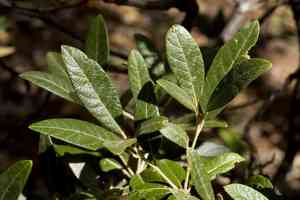
The Silverleaf oak offers superb shade because of its expansive crowns.
2
Silverleaf oak foliage exhibits significant drought resistance, making it well-suited for dry areas.
3
Its strong root structure is highly effective at preventing soil degradation.
Why is Silverleaf oak Important for Environmental Sustainability?
Promotes Biodiversity
A key advantage of Silverleaf oak is its capacity to foster biodiversity. This plant offers shelter and food sources for various animal species. Birds and insects, in particular, are drawn to its foliage and acorns, creating a flourishing micro-ecosystem. By cultivating Silverleaf oak, you're not merely adding greenery but also contributing to the overall health of your local environment.
Excellent Carbon Sequestration
Another crucial benefit is Silverleaf oak's ability to sequester carbon. Through photosynthesis, the plant absorbs atmospheric carbon dioxide and stores it, thereby decreasing greenhouse gases and combating climate change. Its extensive leaves and long lifespan make it highly effective in this role, providing a sustainable solution for environmental preservation.
How Can Silverleaf oak Enhance Your Landscape?
Provides Natural Shade
Silverleaf oak is recognized for its wide canopies, which offer superb natural shade. This characteristic is especially advantageous for homeowners aiming to create a cool and comfortable outdoor area. The shade provided by the plant helps lessen the need for artificial cooling systems, thus conserving energy and lowering electricity costs.
Improves Soil Quality
Silverleaf oak possesses a robust root system that penetrates deeply into the soil. This not only aids in holding the soil together but also enhances its overall quality. The organic matter from fallen leaves enriches the soil with vital nutrients, making it more fertile. This is particularly beneficial for gardens and agricultural lands.
What Makes Silverleaf oak Ideal for Arid Regions?
High Drought Tolerance
One of the prominent features of Silverleaf oak is its significant drought tolerance. This makes it an optimal choice for arid and semi-arid areas where water scarcity is a frequent issue. The plant's leaves are adapted to minimize water loss, ensuring it remains healthy even in harsh conditions. This reduces the need for frequent watering and upkeep.
Prevents Soil Erosion
In areas susceptible to soil erosion, Silverleaf oak acts as a natural barrier. Its extensive root system helps bind the soil, preventing it from being washed away during heavy rainfall. This is vital for maintaining the integrity of landscapes and preventing land degradation. By planting Silverleaf oak, you are taking a proactive step toward soil conservation.
Can Silverleaf oak Be Used as an Ornamental Plant?
Aesthetic Appeal
Silverleaf oak is not only functional but also highly decorative. Its silver-green leaves and sturdy structure make it an appealing addition to any landscape design. Whether you're looking to enhance the beauty of your garden or add character to commercial spaces, Silverleaf oak offers the perfect blend of aesthetics and practicality.
Low Maintenance
Another benefit is the plant's minimal maintenance requirements. Once established, Silverleaf oak needs little care, making it perfect for busy homeowners or commercial properties. Its natural resistance to pests and diseases further reduces the need for chemical treatments, promoting a healthier and more sustainable environment.
How Does Silverleaf oak Benefit Local Communities?
Educational Opportunities
Plants like Silverleaf oak provide excellent educational chances for schools and community initiatives. Observing and studying this plant can offer valuable lessons in environmental science, botany, and ecology. It serves as a natural classroom, inspiring curiosity and awareness among students and community members.
Community Engagement
Cultivating and maintaining Silverleaf oak can also foster a sense of community. Neighborhoods and local organizations can collaborate for planting events, promoting teamwork and environmental stewardship. These activities not only beautify public spaces but also strengthen communal bonds and collective responsibility.



