How to Transplant Sand live oak?
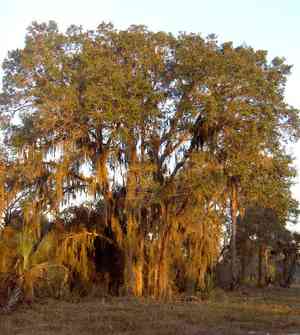
Sand live oak flourishes when relocated between early and late spring, guaranteeing vigorous development. Select a bright, adequately drained spot and steer clear of excessively moist zones for optimal results. Should it be necessary, irrigate frequently at first to aid root establishment.
What Preparations are Needed Before Transplanting Sand Live Oak?
What is the Ideal Time for Transplanting Sand Live Oak?
Moving sand live oak during early to late spring is perfect. During this period, the ground warms, creating a favorable setting for root establishment without the strain of intense summer heat. Transplanting in spring allows sand live oak to develop a strong root system, ensuring better adaptation and growth. This timing takes advantage of optimal soil moisture and rising temperatures.
How Much Space Should You Leave Between Sand Live Oak Plants?
When relocating sand live oak, aim to position the plants 40-50 feet (12-15 meters) apart. This will ensure they have ample room to grow and flourish without overcrowding.
What is the Best Soil Mix for Sand Live Oak Transplanting?
Prepare soil that drains well for sand live oak, preferably sandy or loamy types. Before transplanting, mix in a base fertilizer suitable for trees, such as one rich in phosphorus, to encourage root development.
Where Should You Relocate Your Sand Live Oak?
Sand live oak thrives best in full sunlight. Select a sunny spot in your garden that receives at least 6-8 hours of direct sunlight daily to ensure vigorous growth.
What Equipments Should You Prepare Before Transplantation Sand Live Oak?
Gardening Gloves
To safeguard your hands while handling soil and the plant.
Shovel or Spade
Used for excavating around the plant and creating a new cavity for transplanting.
Watering Can or Hose
To hydrate the plant before and after its relocation.
Wheelbarrow
Useful for moving the plant from its original spot to the new location.
Pruners
To trim any damaged or excess roots during the transplant process.
Mulch
Used to cover the soil around the plant to help retain moisture.
Stakes and Ties
To provide support for the plant if it requires stabilization in its new environment.
How Do You Remove Sand Live Oak from the Soil?
How Do You Remove Sand Live Oak from the Soil?
From Ground: First, water the sand live oak to moisten the soil, which facilitates digging. Then, excavate a wide trench around the plant using a shovel or spade, ensuring the plant's root ball remains intact. Carefully work the spade beneath the root ball to lift the plant from its original position. Gently place the plant in a wheelbarrow for transport.From Pot: Gently tap the sides of the pot to loosen the soil. Turn the pot on its side and slowly slide the sand live oak out by the base of the stem, taking care not to harm the roots. If needed, lightly shake off any excess soil around the root ball.From Seedling Tray: Lightly water the seedlings to dampen the soil. Use a small tool like a fork or spoon to gently loosen the soil around the seedling. Carefully lift the seedling by its leaves (not the stem) to avoid damage, and place it in a temporary container with some soil.
Step-by-Step Guide for Transplanting Sand Live Oak
Site Preparation
Choose a location with adequate sunlight and space for your sand live oak to reach its mature size. Ensure the soil drains well and is free of weeds or debris. Dig a hole that is twice as wide and the same depth as the sand live oak's root ball.
Transplanting
Position the sand live oak in the center of the hole. Ensure the top of the root ball is level with or slightly above the ground surface. Backfill the hole with soil, gently firming it around the roots to eliminate air pockets.
Watering
Water the sand live oak thoroughly immediately after planting to help settle the soil and remove any remaining air pockets.
Stabilizing
If necessary, use stakes and ties to support the sand live oak until it develops a strong root system. Ensure that the ties are not too tight to allow for growth.
How Do You Care For Sand Live Oak After Transplanting?
Watering
Keep the soil around the sand live oak consistently moist, but not waterlogged, for the initial few weeks after transplanting to aid in establishing strong roots.
Mulching
Apply a layer of mulch around the base of the sand live oak to help retain moisture and regulate soil temperature.
Monitoring
Regularly check the sand live oak for signs of stress, such as wilting or yellowing leaves, and address any issues promptly.
Pruning
Trim any damaged or dead branches to encourage healthy growth and reduce stress on the plant.
Protection
Shield the sand live oak from strong winds and extreme weather conditions as it adapts to its new environment.
Troubleshooting Common Issues with Sand Live Oak Transplantation.
When is the best time to transplant sand live oak?
The optimal time to transplant sand live oak is from early spring to late spring for best growth.
How far apart should I space sand live oak?
Space sand live oak 40-50 feet (12-15 meters) apart to ensure proper growth and root development.
What kind of soil does sand live oak prefer?
Sand live oak thrives in well-drained sandy soils. Ensure the soil is free from heavy clay.
How much water does sand live oak need after transplanting?
Water sand live oak deeply, twice a week, providing enough moisture to keep the soil evenly moist.
Should I prune sand live oak before transplanting?
It's advisable to prune any damaged or dead branches of sand live oak before transplanting.
What is the best way to dig a hole for sand live oak?
Dig a hole twice as wide and just as deep as the root ball of sand live oak.
How can I minimize transplant shock for sand live oak?
Water thoroughly and apply a layer of mulch to help retain soil moisture and reduce stress.
Should I fertilize sand live oak after transplanting?
Wait at least one month before applying any fertilizer to allow sand live oak to establish itself.
How can I stabilize sand live oak after transplanting?
Stake sand live oak using soft ties, if necessary, to support it until the roots establish firmly in the soil.
Can I transplant sand live oak in the fall?
While early spring to late spring is ideal, fall transplanting can be successful with extra care.



